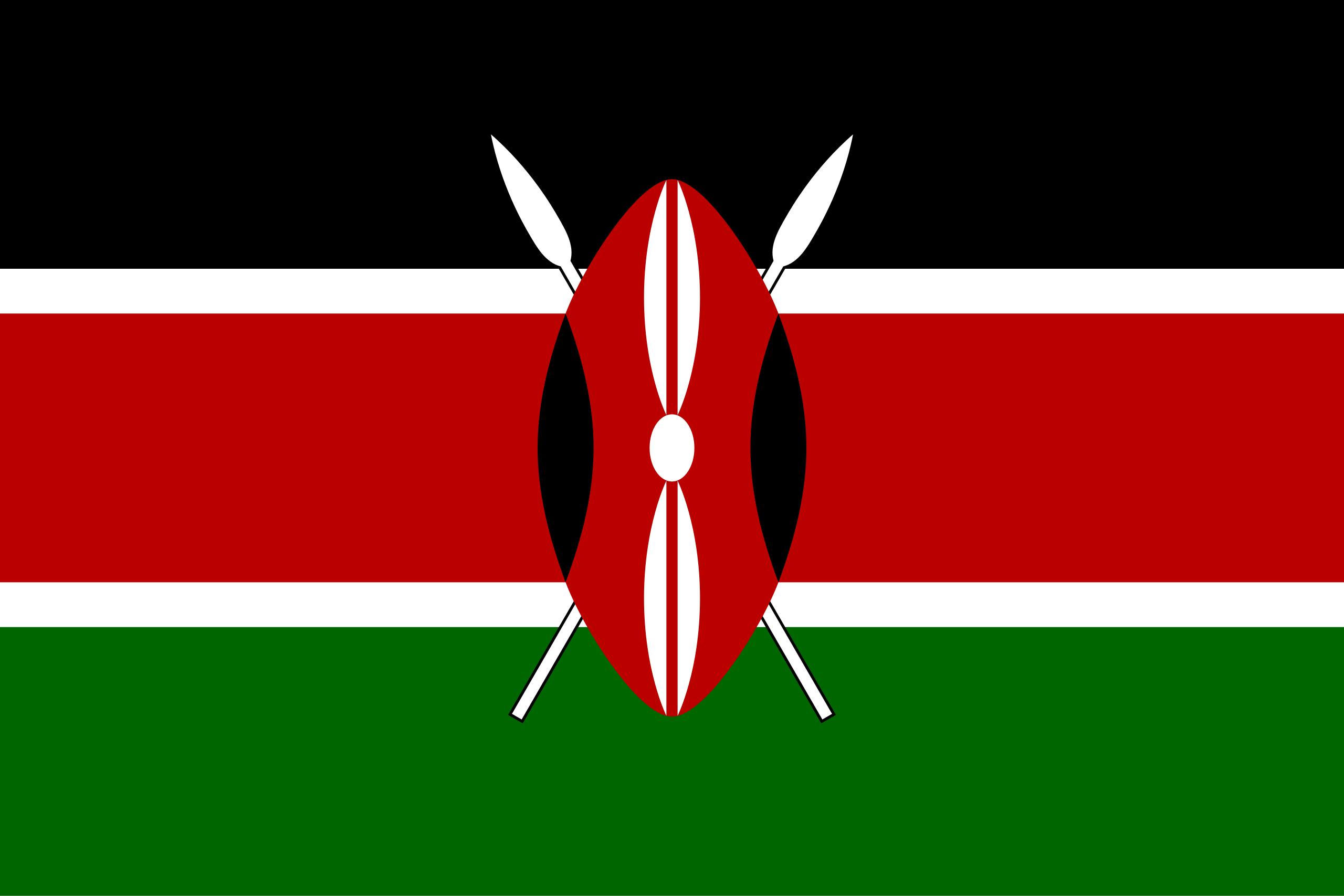
Today is Jamhuri Day — Kenya’s Independence Day — the occasion of this edition of No Enclave. Southern California‘s population of Kenyans is relatively small but certainly not without its high-profile individuals. The states with the largest populations of Kenyans are Texas, Minnesota, Washington, and California — but exact figures are hard to pin down accurately. By some recent estimates (2015-2019), there are approximately 141,800-164,000. Kenyan immigrants in the US. Los Angeles County is home to an estimated 2,500.
BARACK OBAMA
The most famous Kenyan Angeleno is, of course, President Barack Hussein Obama II, Obama’s connection to Kenya is through his father — a senior government economist in Nyang’oma Kogelo who left the family when his son was two years old. He returned to Kenya in 1964 and only met his offspring one more time when his son was about ten years old. Barack Obama’s primary connection to Los Angeles stems from his college years (1979-81) during which he attended Occidental College. Two years isn’t a long time but, nevertheless, Obama is honored within Los Angeles with several landmarks. He was the president, after all.
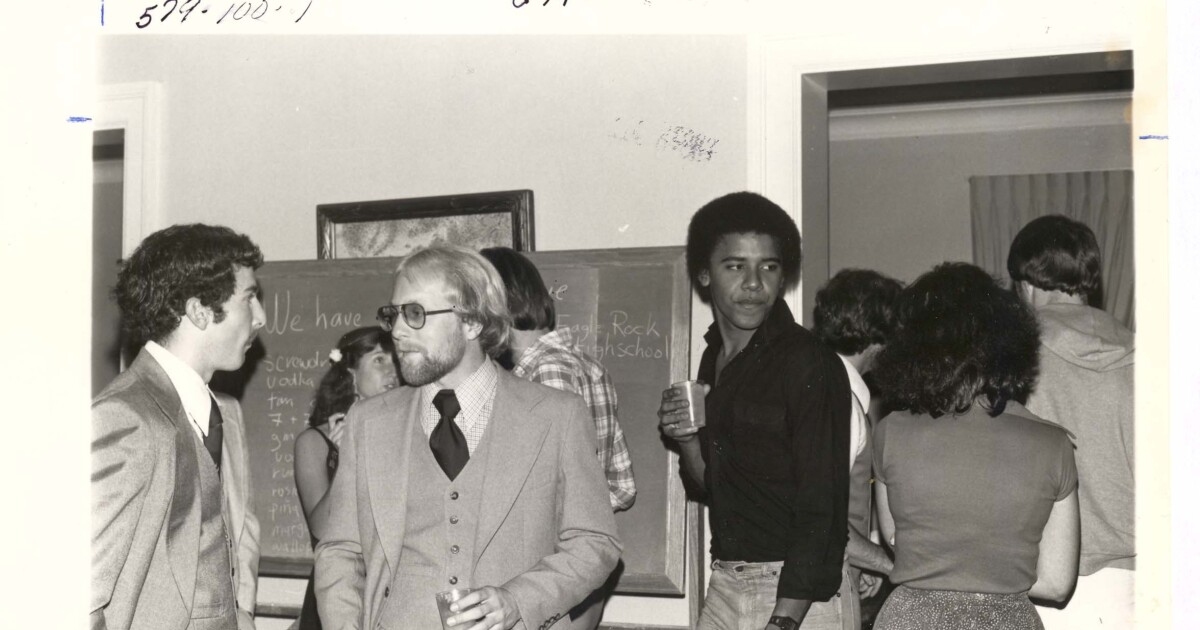
In 2015, Roscoe’s House of Chicken & Waffles renamed the “Country Boy Combo” as “Obama’s Special,” A segment of the 134 Freeway that runs through Glendale, Eagle Rock, and Pasadena was officially named the President Barack H. Obama Highway in December 2018. A 5.5 kilometer stretch of Rodeo Road was renamed Obama Boulevard in 2019. The Rancho Cienega Sports Complex as renamed the Michelle and Barack Obama Sports Complex in July 1922.
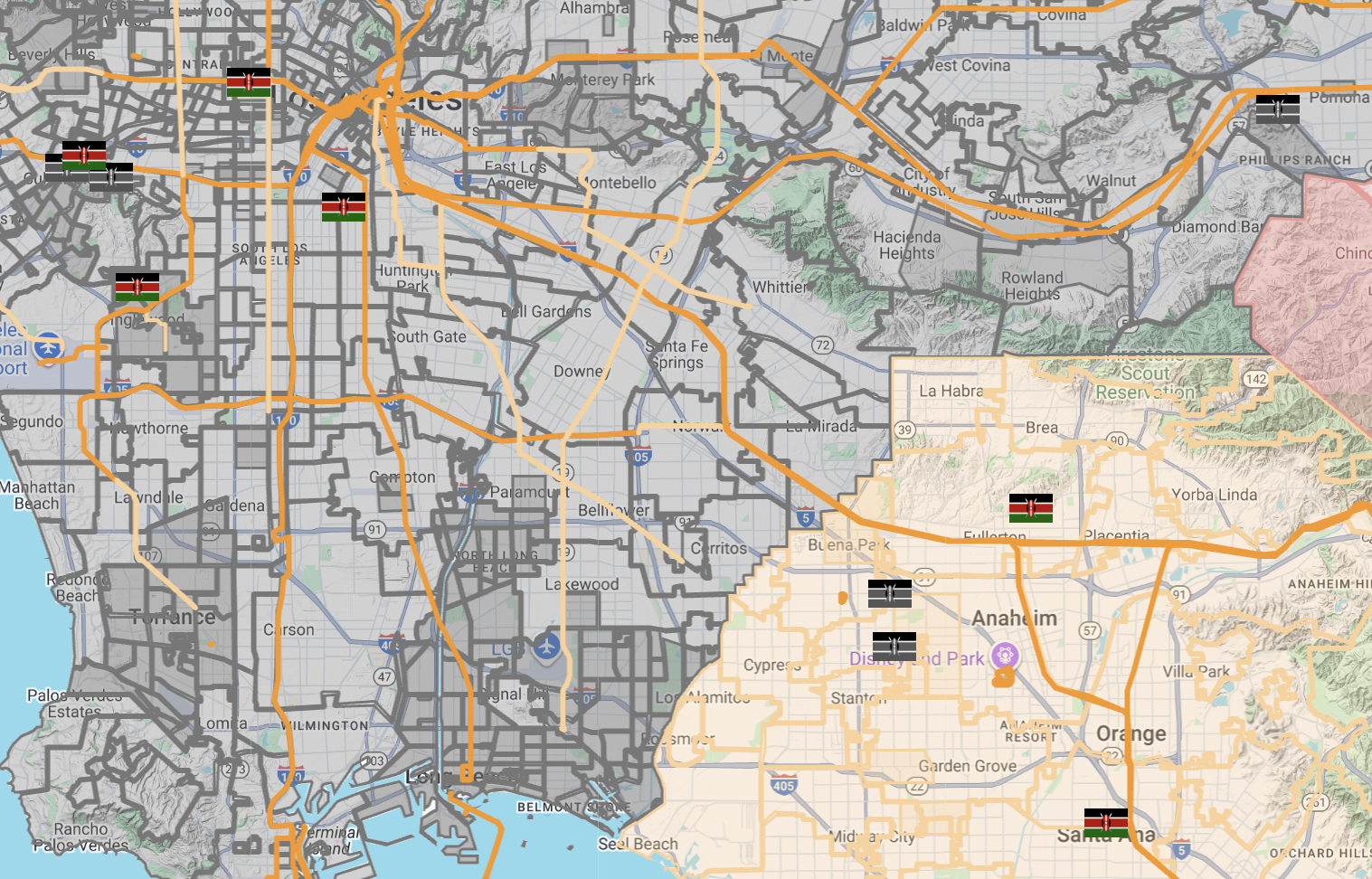
Most Kenyan Americans, it goes without saying, aren’t US presidents, though, and most tend to work outside the public eye. In Los Angeles, Kenyans are heavily represented within nursing, dentistry, data analysis, software engineering, transportation, customer service, and administrative support roles. Los Angeles being the epicenter of the global entertainment industry, however, there are also Kenyan Angelenos in film, television, music, and other areas — although few have those far risen to the level of national stardom.
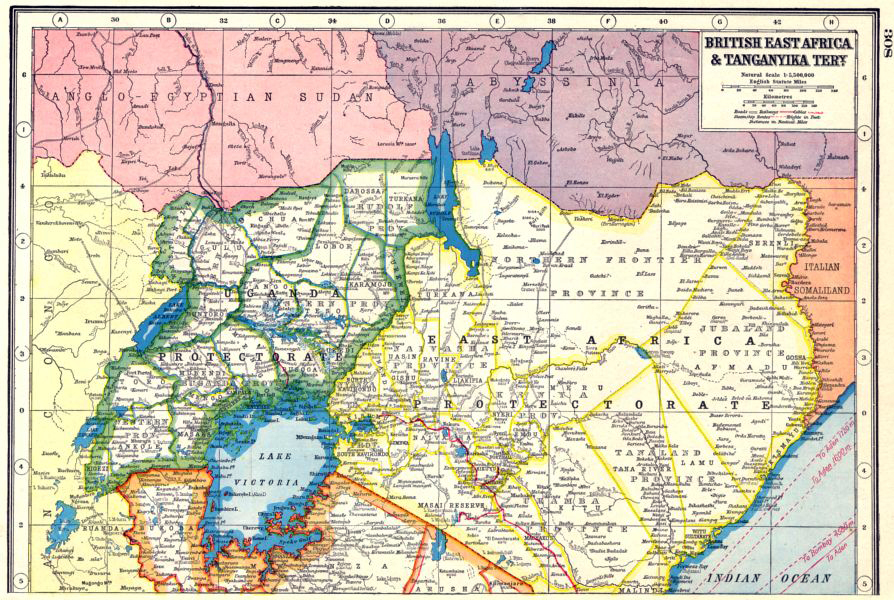
Prior to the 1968 enactment of the Immigration and Nationality Act of 1965, very few Kenyans lived in the US. Kenya only gained full independence from Britain on 12 December 1963. From 1920-1963, it was ruled as the Colony and Protectorate of Kenya. Before that, from 1895-1920, it was ruled by Britain as part of the British East Africa Protectorate. From 1888-1895, it was ruled by the British East Africa Company. Britain may’ve ruled and exploited Kenya for 75 years — but Kenya’s pre-colonial history spans millions of years of human existence.
Kenya’s indigenous groups — the Athi, Gumba, Yaaku, Aasax (or Asa), and Twa — are related to the Khoisan peoples of Southern Africa and, like them, characterized by the use of “click” languages. Around 2000 BCE, Cushitic-speaking people migrated into the region from the Horn of Africa. They were followed by migrations of Nilotic and Bantu communities from the Nile River Valley and West-Central Africa, respectively. By the 1st century CE, the Kenyan coast became a vital part of a global trade network frequented by Arab, Greek, Indian, Persian, and Roman merchants. The interaction between these people and Kenyans gave birth to Swahili culture. Lamu, Malindi, and Mombasa arose as thriving, independent city-states. After the arrival of Portuguese explorer Vasco da Gama in 1498, Portugal controlled coastal trade routes for nearly two centuries until they were driven out by the Omani Arabs in the 18th century. They were deposed, in turn, by the British.
Political instability and skyrocketing unemployment in the 1980s impelled many professional Kenyans to seek their fortunes elsewhere. Most moved to India, the Middle East, or elsewhere in Africa — especially Uganda and Tanzania. In the 2000s, however, significant numbers of Kenyan doctors, nurses, students, and academics emigrated to Australia, Canada, Germany, the UK, and the US where, today, they are the fifth-most numerous African American immigrant or refugee population (after Nigeria, Ethiopia, Ghana, and Egypt). Under the Trump regime, however, immigration from Kenya has been strongly curtailed.
Within the US, Kenyans have gone on to establish communities in
Massachusetts (Middlesex County and Worcester counties), the Washington, DC area, Texas (Dallas-Fort Worth and Houston), Georgia (Atlanta), North Carolina (Raleigh), and California (Los Angeles and Orange counties). A multi-ethnic culture, Kenyan Americans represent the Kikuyu, Kisii, Luhya, Kamba, Kalenjin, Meru, and Luo people, among others. Luos and Kikuyus, in particular, have historically tend to favor Southern California.
KENYAN ANGELENO CUISINE
The most accessible entry into any culture, generally, is through its cuisine. Kenya’s cuisine resembles that of other countries in Africa’s Great Lakes region, with many dishes built around millet or sorghum mixed with various meats (goats, cows, chickens, and fish) and vegetables (collard greens, spinach, potatoes, maize, beans, African Nightshade leaves, Amaranth leaves, Cowpea leaves, pumpkin leaves, cabbage, carrots, tomatoes, onions, and sweet potato leaves). But Kenya is also, by many measures, one of the most cosmopolitan countries in Africa, with culinary influences from the outside including British desserts, Indian curries, Muslim kebabs, and other imports.
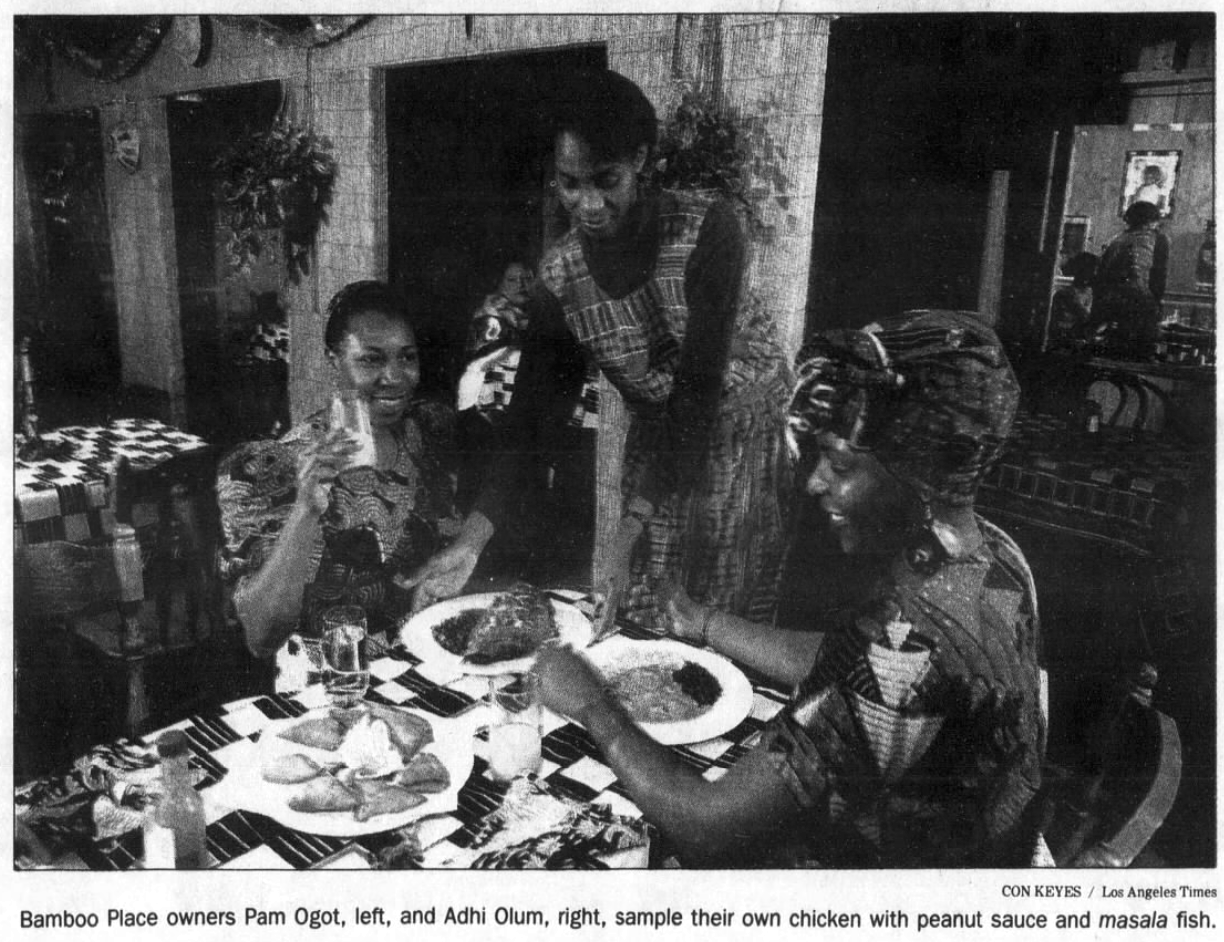
The first Kenyan restaurant in Los Angeles was, likely, Bamboo Place — which was open on Rodeo Road (now Obama Boulevard) by 1994, when it replaced Alex’s Southern Cuisine. Before that, it was another East African place, Queen of Sheba. Bamboo Place hosted a music and dance night called Le Pacha Club. It seems to have closed in or not long after 1996.
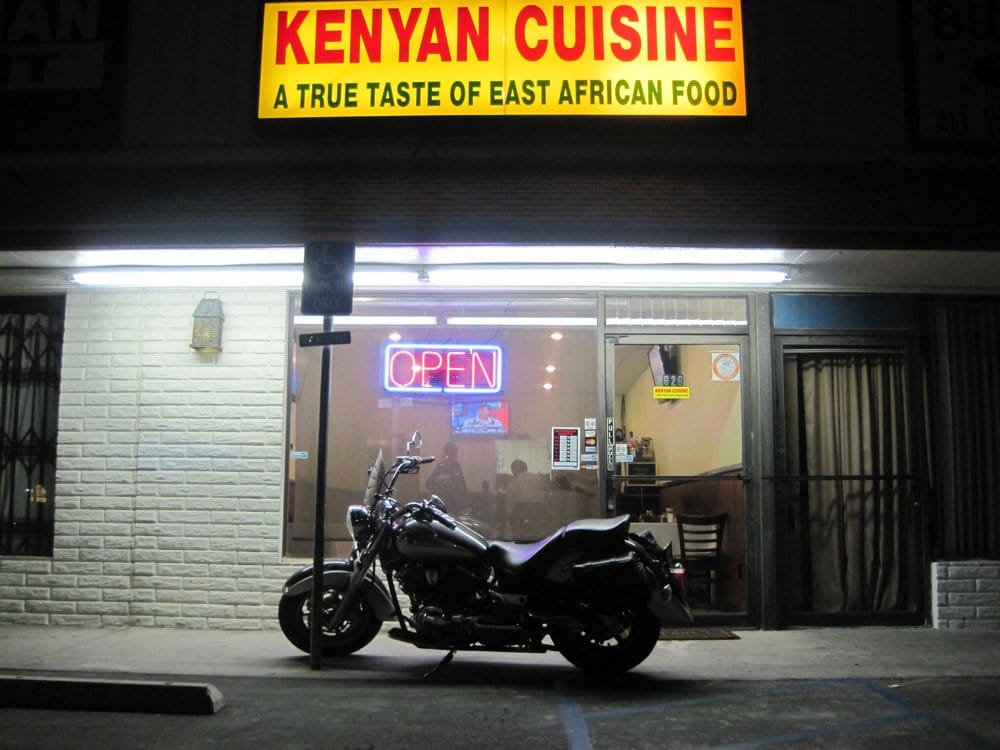
Kenyan Café and Cuisine, in Anaheim, opened as Kenyan Cuisine in 2009. In 2011, the halal restaurant was taken over by chef Charles Njuguna, who changed its name to Kenyan Café and Cuisine. It closed “temporarily” in 2018 and, in 2025, remains so.
Flavors from Afar, in Little Armenia, features rotating menus from different countries — including, in the past, Kenyan.
In 2022, Eat the World Los Angeles reviewed Shef, the Kenyan home kitchen of Chef Elizabeth.
Somali Chef Hawa Hassan opened Swahili Eatz in Fountain Valley in 2023, after starting as a ghost kitchen, I believe, in Long Beach. The Swahili Coast actually begins in southern Somalia and there are dishes served there with which Kenyans will be familiar, inlcuding nyama choma, pilau, and ugali.
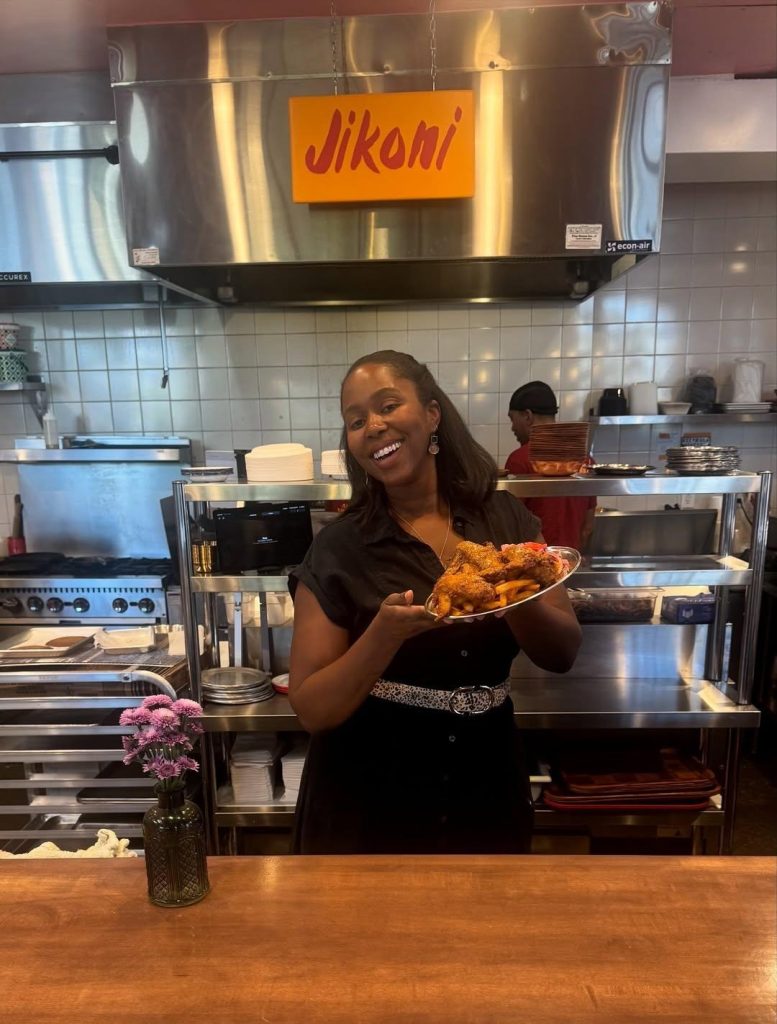
More recently, Kenyan-Nigerian chef and cookbook author Kiano Moju opened the “AfriCali” pop-up, Jikoni, in Culver City‘s Citizen Public Market on 4 June 2025. It closed when the market closed in November 2025.
KENYAN ANGELENO MUSIC

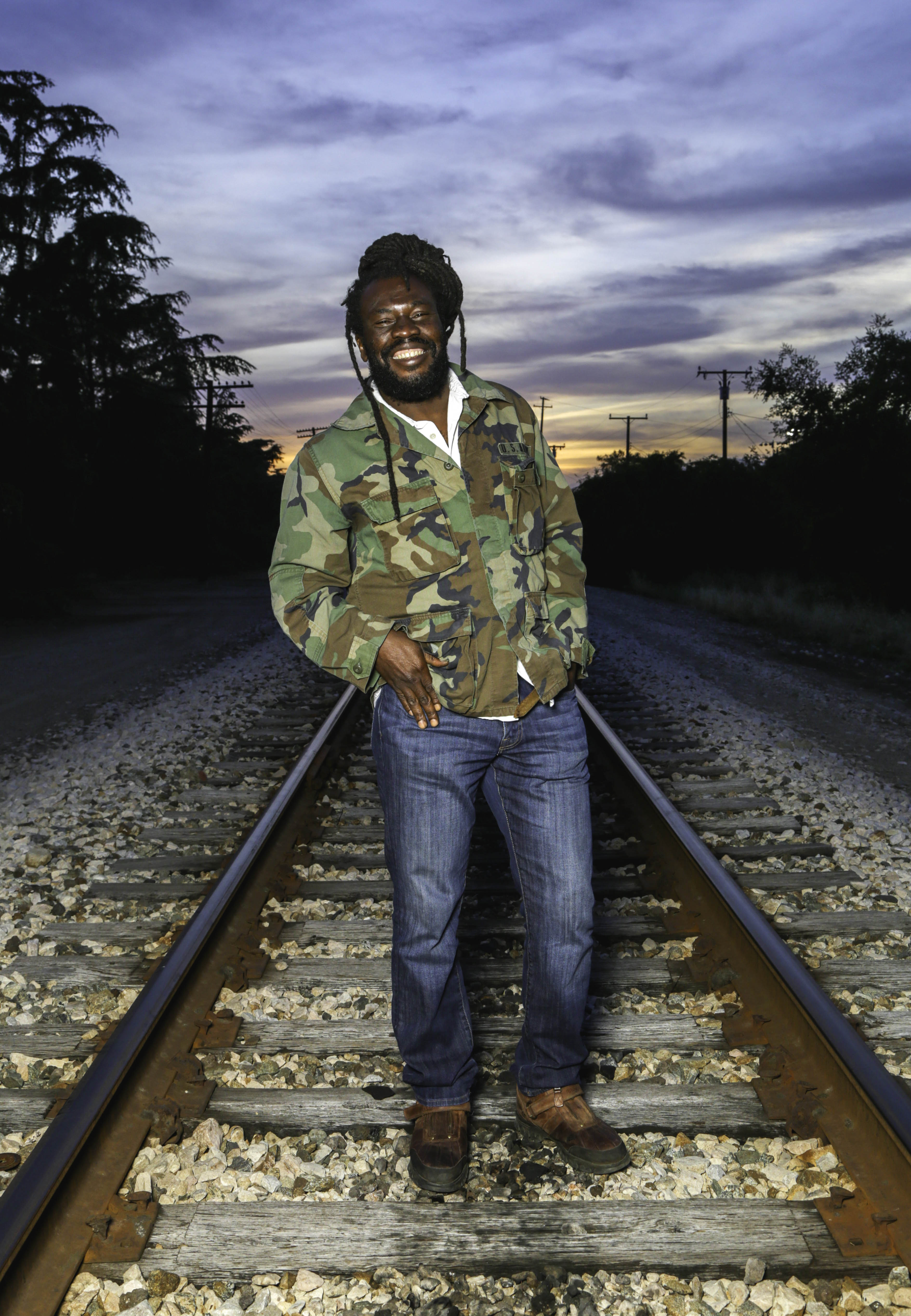
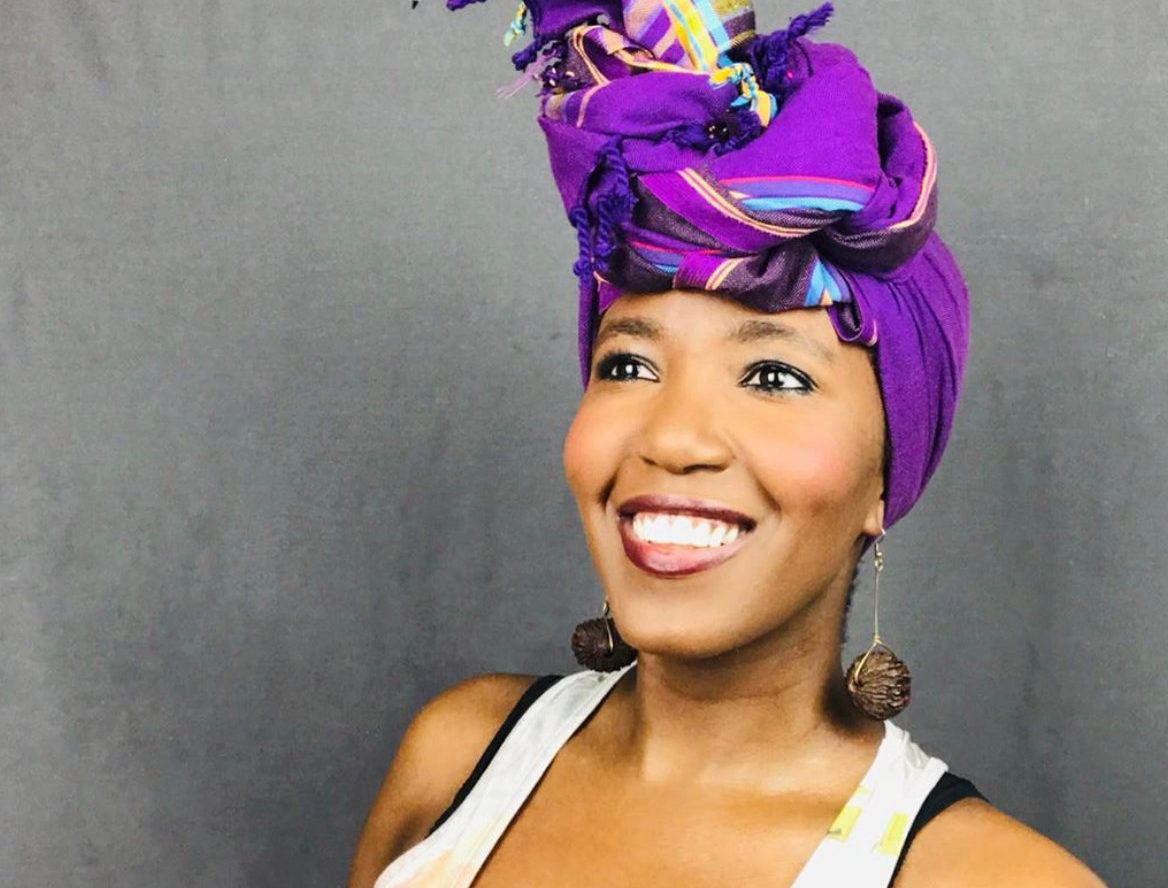
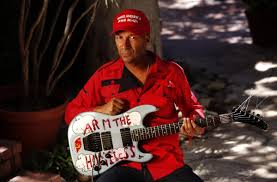
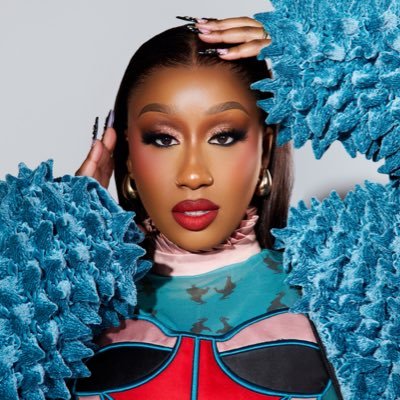
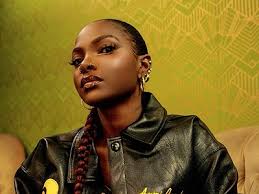
Kenyan music in Los Angeles is typified by touring musicians from Kenya but there are notable musicians of Kenyan background, including jazz musician Analo Kanga, Baraka Njenga (Frankie Jax No Mad), guitarist Benjie (Benjamin Weche), Jo-T, Oneko Arika, Silas Mwenda, Sonia Grace, half-Kenyan guitarist Tom Morello, singer/songwriter Victoria Kimani, and R&B/Afropop artist Xenia Manasseh.
KENYAN ANGELENO FILM AND TELEVISION
Kenyan cinema began as a tool for colonial propaganda and ethnographic documentation. The first public screening took place in 1902. The first dedicated cinema was Nairobi’s Theatre Royal, which opened in 1916. Following independence, Kenyans began to make their own films, including the first Swahili feature, Mlevi (1968), made by Indian Kenyan director, Ragbir Singh, and producer, Kuljeet Pal. The 2000s saw an explosion of production driven by increasingly accessible digital technology and the rise of “Riverwood.”
Kenyan films that have been honored at international film festivals and award ceremonies include Nairobi Half Life (2012) (Breakthrough Audience Award at AFI Fest and Best Actor at the Durban International Film Festival); Kati Kati (2016) (recipient of the FIPRESCI Prize at the Toronto International Film Festival and the AMVCA for Best East African Film), Watu Wote (2017) (which earned a Student Academy Award and a nomination for Best Live Action Short at the 90th Academy Awards), Supa Modo (2018) (Children’s Jury Special Mention at the Berlinale), and Rafiki (2018) (Best Actress at FESPACO 2019), Shimoni (2022) (Bronze Stallion at FESPACO 2023), Our Land, Our Freedom (2024) (the Thomas Sankara Award at FESPACO 2025), Nawi (2025) (Best Narrative Feature at both the 2025 Pan African Film & Arts Festival (PAFF) and the 2025 Cannes World Film Festival), and Money Town (2025) (the Red Sea Souk Series Award at the 2025 Red Sea International Film Festival). Locally, PAFF is responsible for screening most of the Kenyan films exhibited in Los Angeles. In addition to Nawi, PAFF has screened Nairobi Half Life, Supa Modo, Rafiki, Shimoni, Kipkemboi (2017), and Empalikino (2022).
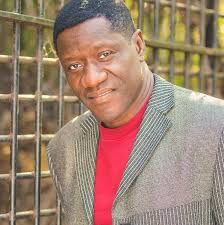
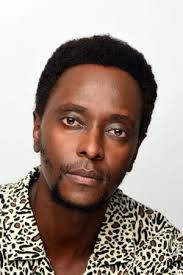
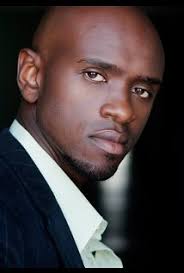

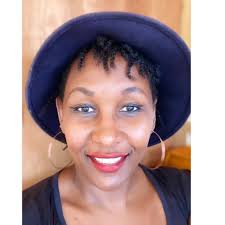
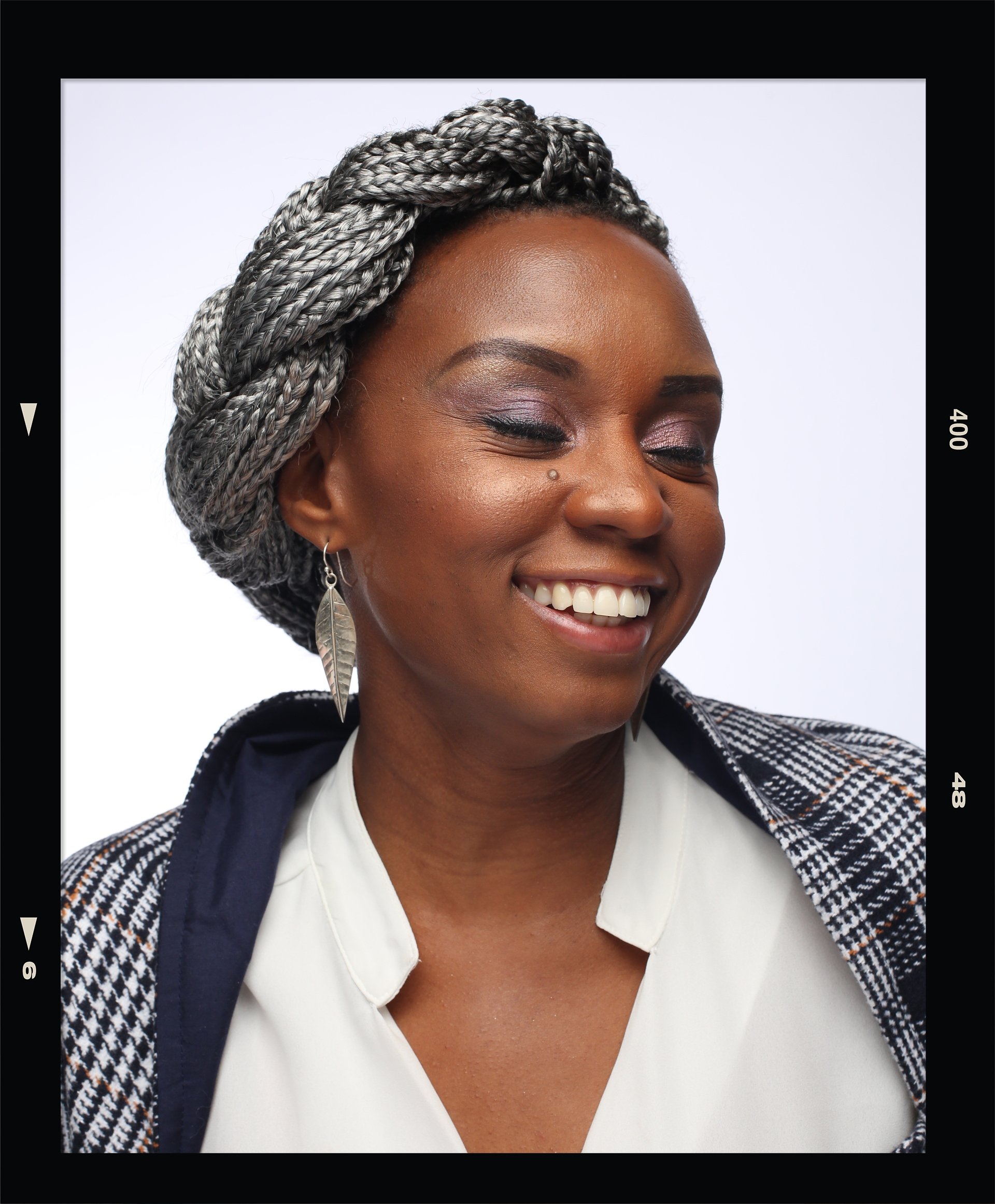
Kenyan Angelenos have established a presence across various roles in the film and television industry. This community includes actors such as Benjamin Onyango, Edi Gathegi, Owiso Odera. The community also includes filmmakers like producers Nabwire Butali and Toni Kamau, director Wanjiru Njendu, director/producer Wanuri Kahiu. Additionally, filmmaker Njeri Njiiri Karago has served as Kenya’s Consul General in Los Angeles since 2019. Before that, the role was held by Dr. Wenwa Akinyi Odinga Oranga, of the influential Odinga political family,
KENYAN-ANGLENO ATHLETES
In athletics, Kenya is particularly strong in middle and long-distance running, with its athletes holding numerous world records and Olympic titles. Football (soccer) remains the most popular sport. Rugby sevens is also popular and Nairobi hosts the prestigious annual Safari Sevens tournament. Kenya also hosts the Safari Rally — one of the world’s toughest motor races.
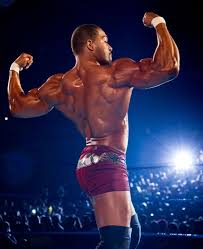
Kenyan athletes have a notable impact in Los Angeles and Southern California, particularly in the realm of long-distance running. The Los Angeles and San Diego marathonsfrequently sees Kenyan runners dominating the elite fields and taking top honors. The only Kenyan Angeleno athlete of whom I’m aware is David Otunga, an actor, lawyer, and former professional wrestler with the WWE.
KENYAN-ANGLENO DANCE
Kenyan traditional dance typcially incorporated vibrant costumes, drumming, and movements connected to community life, rituals, and storytelling. While these traditions are often practiced within diaspora communities, professional Kenyan Angelenos, like Chris Njunge, fuse traditional styles with modern or international genres. Although born in Nairobi, he specializes in teaching and performing Kizomba, an Angolan social dance. Another prominent Kenyan Angeleno dancer is Anindo Marshall — a dancer, choreographer, and a certified instructor of the Katherine Dunham Technique. She has taught at the Debbie Allen Dance Academy and the Lula Washington Dance Theater. Gakenia Muigai is a dancer, yogi, and dance teacher who is also part of the modern Afro-dance movement.
KENYAN-ANGLENO ARTISTS
Kenyan art has a rich history that begins with ancient rock art and includes traditional craft forms like the famed beadwork of the Maasai and Kisii soapstone carvings. Kenyan fashion, meanwhile, often blends traditional textiles like the Kitenge and Maasai shuka with contemporary urban streetwear and modern global influences. Whilst not as well known as les sapeurs of nearby Congo, there are individuals known for their impeccable style and dedication to dressing well, sometimes referred to as “Nairobi’s dandies.”
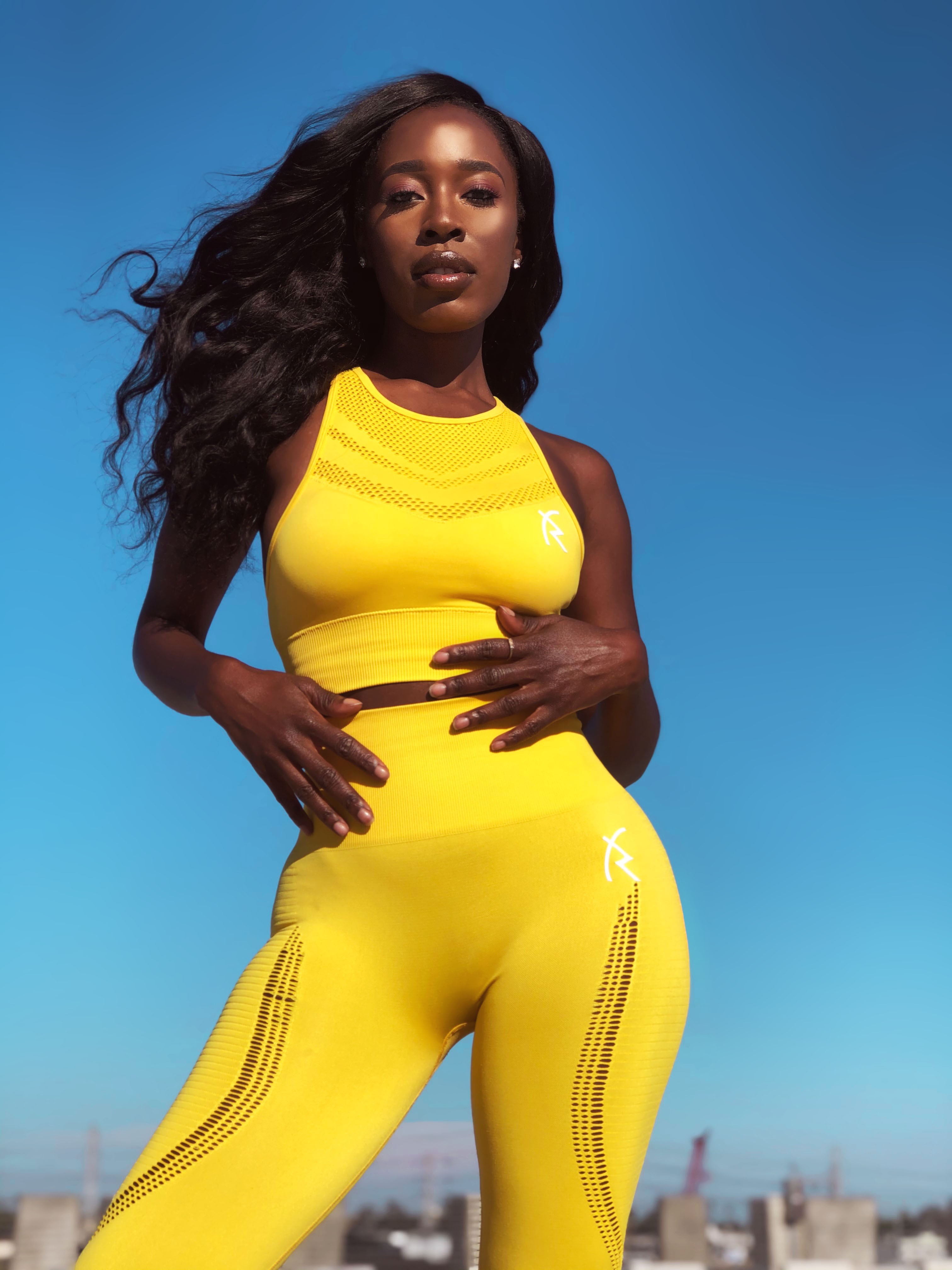
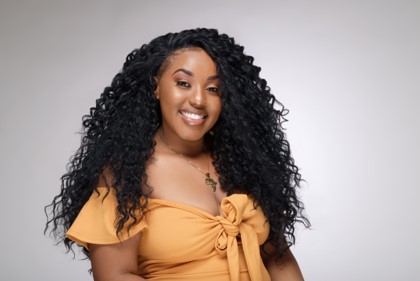
Within Los Angeles, Kenyan artists primarily work across multiple creative disciplines rather than solely visual fine art. One prominent Kenyan Angelena in this realm is Yvonne Bulimo, who channels her cultural heritage not just into art, but into entrepreneurship and design with her fashion-forward athleisure brand, Zoezi Sport. Also part of the fashion world is Yvonne Mwazo, the stylist behind Styled By Yvonne. Zaawadi Kalema is a Kenya-born entrepreneur and visual artist Haus of VZN.
KENYAN ANGELENO RELIGION
In Kenya, Christianity is the dominant religion, accounting for approximately 85.5% of the population, followed by Islam — both of which supplanted or incorporated aspects of indigenous Kenyan religions which, while diverse, typically share a belief in a single, distant Creator God (often named Ngai by the Kikuyu and Maasai, or Were by the Luhya), the veneration of ancestors, and a deep connection to the natural world.
The Kingdom Interdenominational Community Church started in Pomona 1997 as the Kenya Interdenominational Community Church. It has an affiliated location, in San Bernardino. The Church of Amazing Grace International in Anaheim was led by Rev. Kinyua Johnson, who originally conducted services in Kikuyu. The church later incorporated English and Swahili in order to address a growing congregation. In 2012, having outgrown their original space, they moved to Santa Ana where they continue as the First Presbyterian Church of Santa Ana and, subsequently, the Morningside Presbyterian Church in Fullerton. The First Presbyterian Church of Santa Ana, meanwhile, was ministered by Dr. Mzee Paul Mbue Ndegwa until his passing in 2024.
KENYAN ANGELENO ORGANIZATIONS
Other organizations serving Kenyan Angelenos include the following: Kenyans in Southern California United (a Facebook group), Medical Missions Kenya and Hunger Relief (an organization is involved in medical mission work and hunger relief efforts in Kenya), and The Samburu Project (a non-profit organization that focuses on community development in Samburu, Kenya, primarily by providing access to clean water and supporting related initiatives in health, education, and women’s empowerment).
KENYAN FESTIVALS AND OBSERVANCES
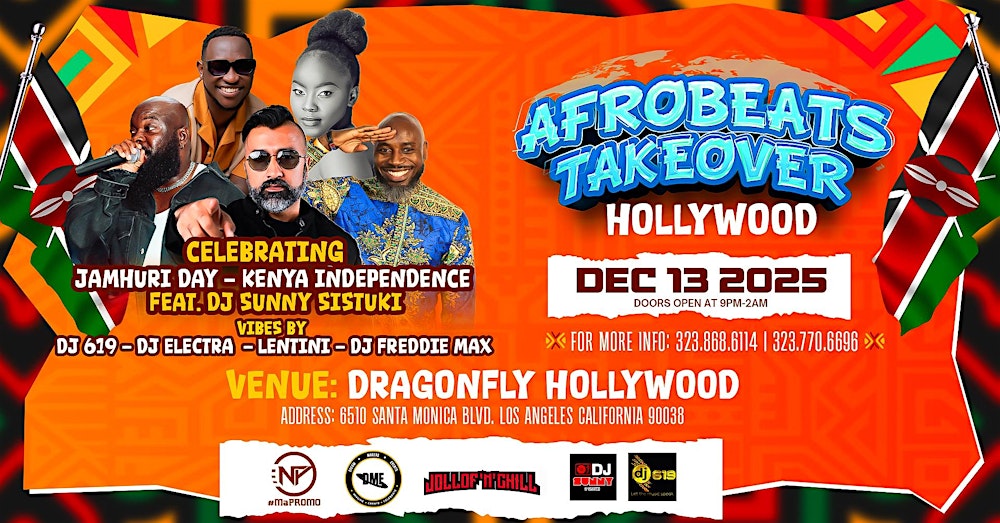
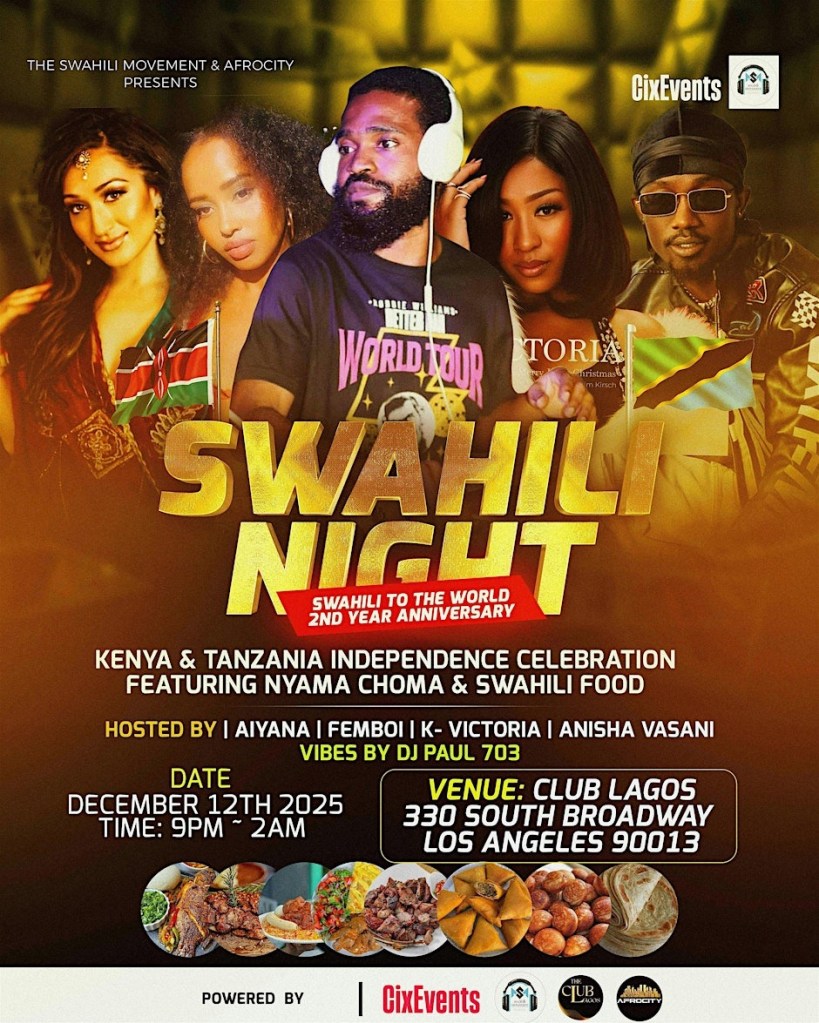
Kenyan festivals and observances within the Kenyan community of Southern California: National holidays in Kenya itself include the aforementioned Jamhuri Day (12 December), Madaraka Day (1 June, marking the day Kenya attained internal self-rule in 1963), and Mashujaa Day (Heroes’ Day, 20 October).Events in Southern California around this time often involve social gatherings, music, dancing, and food. In the past, the Kenyan Consulate has hosted Kenya Cultural Festival (July 2023) and the Kenyan Cultural Night (15 March 2024). There’s also the ongoing series, “Afrobeats Takeover Hollywood,” that takes place at Dragonfly Hollywood and Jungle Hollywood. The next one, tomorrow, is for Jamhuri Day. And tonight, Swahili Movement is hosting their second annual Swahili Night in Downtown Los Angeles.
Support Eric Brightwell on Patreon

Eric Brightwell is an adventurer, essayist, rambler, explorer, cartographer, and guerrilla gardener who is always seeking paid writing, speaking, traveling, and art opportunities. He is not interested in generating advertorials, cranking out clickbait, or laboring away in a listicle mill “for exposure.”
Brightwell has written for Angels Walk LA, Amoeblog, Boom: A Journal of California, diaCRITICS, Hey Freelancer!, Hidden Los Angeles, and KCET Departures. His art has been featured by the American Institute of Architects, the Architecture & Design Museum, the Craft Contemporary, Form Follows Function, the Los Angeles County Store, Sidewalking: Coming to Terms With Los Angeles, Skid Row Housing Trust, the 1650 Gallery, and Abundant Housing LA.
Brightwell has been featured as subject and/or guest in The Los Angeles Times, VICE, Huffington Post, Los Angeles Magazine, LAist, CurbedLA, LA Times 404, Marketplace, Office Hours Live, L.A. Untangled, Spectrum News, Eastsider LA, Boing Boing, Los Angeles, I’m Yours, Notebook on Cities and Culture, the Silver Lake History Collective, KCRW‘s Which Way, LA?, All Valley Everything, Hear in LA, KPCC‘s How to LA, at Emerson College, and at the University of Southern California. He is the co-host of the podcast, Nobody Drives in LA.
Brightwell has written a haiku-inspired guidebook, Los Angeles Neighborhoods — From Academy Hill to Zamperini Field and All Points Between, that he hopes to have published. If you’re a literary agent or publisher, please contact him.
You can follow him on:
Bluesky, Duolingo, Facebook, Goodreads, iNaturalist, Instagram, Letterboxd, Medium, Mubi, Threads, and TikTok.


Thrilling piece
LikeLike