New Zealand is a volcanic archipelago in the South Pacific. The remote land was notably the last major landmass to be settled by humans (about four centuries after Iceland). Although Australia is home to the largest diaspora population of New Zealanders (or “Kiwis”), by a significant margin, Los Angeles is home to the largest population within the US. With 6 February marking the national day of New Zealand, Waitangi Day; what better excuse to examine the Kiwi capital of the Americas?
NEW ZEALAND AND ME
I don’t honestly remember know when I first became aware of New Zealand but I imagine it was at some point in my elementary school years. As with a lot of people, I feel like it was closely tied, in my mind, to Australia – despite being separated by a distance of 1,500 kilometers. Technically, it’s closest neighbors are the sparsely inhabited subantarctic Macquarie Island and Norfolk Idland, both of which are Australian territories, but which are still 620 and 750 kilometers away, respectively. After those, New Zealand’s nearest neighbors are the nations of Tonga (in Polynesia) — followed by New Caledonia and Fiji (both in Melanesia)..As a pre-teen I remember reading about the Māori and, in general, long having been fascinated by the peopling of the Pacific. Those ancient mariners spread from Taiwan to Madagascar, Enderby Island, Hawaii, and Chile. I highly recommend Christina Thompson‘s Sea People: The Puzzle of Polynesia.
One of the first cultural imports from New Zealand was the kiwifruit, which myseriously appeared on the shelves of Little Dixie’s supermarkets like the offspring of triffids in the early or mid-1980s. My mom, who was culinarily adventurous, bought some out of curiosity and we experimented with eating them both with the skin on and off. I remember she compared the flavor to a mix of bananas and strawberries. They were probably importated from California rather than New Zealand, but the name made clear their connection, at least nominal, to the latter. Around the same time, “Don’t Dream It’s Over” was a hit. It was also something my mom discovered first and loved. The fact that Crowded House were from New Zealand was the sort of fact Casey Kasem would drop in an introduction to the song on American Top 40.
In my teen years, Flying Nun and the “Dunedin Sound” were massive on college radio and I was gutted when I was unable to see the Chills play with East Ash at the Blue Note. In college, I discovered the films of Peter Jackson, beginning with Heavenly Creatures at the Bijou cinema – and we watched Lee Tamahori’s Once Were Warriors in my World Cinema class (and read about The Quiet Earth). OMC’s “How Bizarre,” was a worldwide hit in 1996 – although I knew people who wrongly assumed that the mostly Māori members were Mexican.
Despite Los Angeles being the Kiwi capital of the US, I don’t think I met a New Zealander until I was working at Amoeba. One of my co-workers was a gregarious surfer from Takapuna, the late Kirk Gee (of Foam & Function). I used to end many of my work days at the Cat & Fiddle, where I once chatted up a red-headed waitress about music and she revealed that she’d been taught at the University of Otago by none other than Dr. Graeme Downes of the legendary band, the Verlaines. After that, I was at a wedding in 2007 in which one of my fellow groomsmen was from New Zealand… and took a bit of a dim view of my Flying Nun fixation, feeling as he did that there were loads of newer acts just as great. Whatever, cuzzy bro!
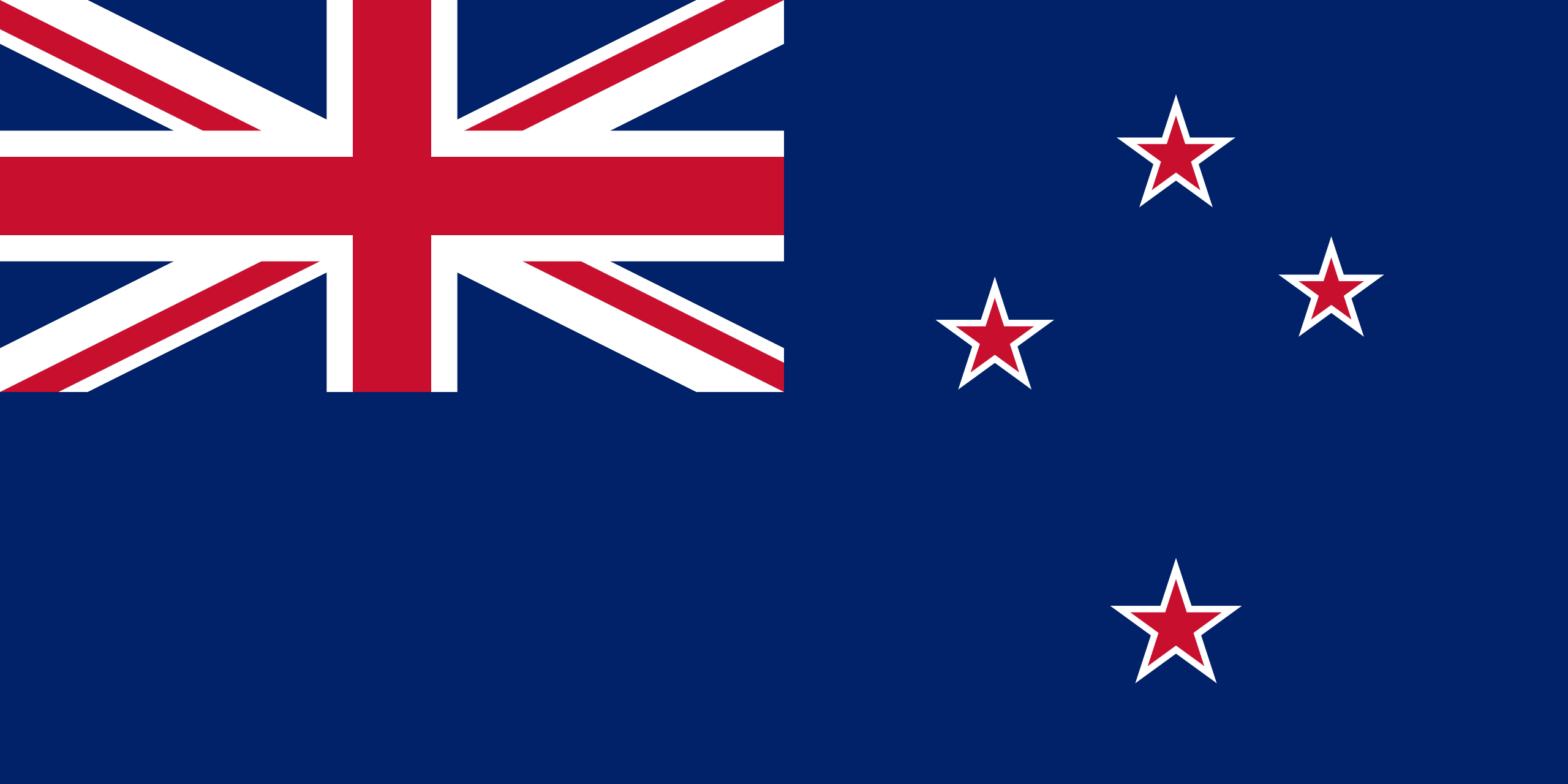
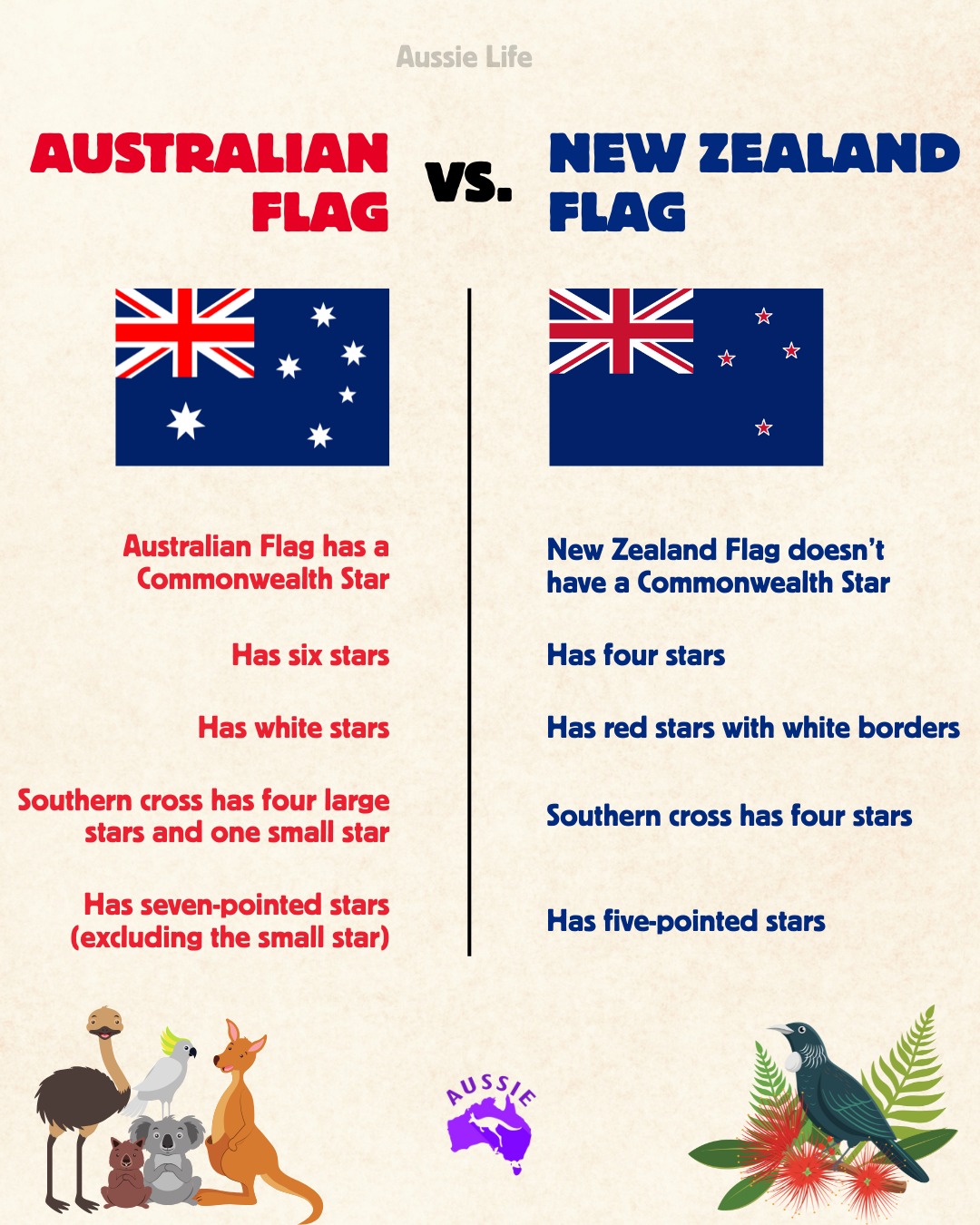
Today, I don’t confuse New Zealand with anywhere else – but I still do get its and Australia’s flags mixed up. It’s not up to me, obviously, but look at Canada‘s now-iconic flag and how much better it is than their old one with the Union Jack.
A BRIEF HISTORY OF NEW ZEALAND
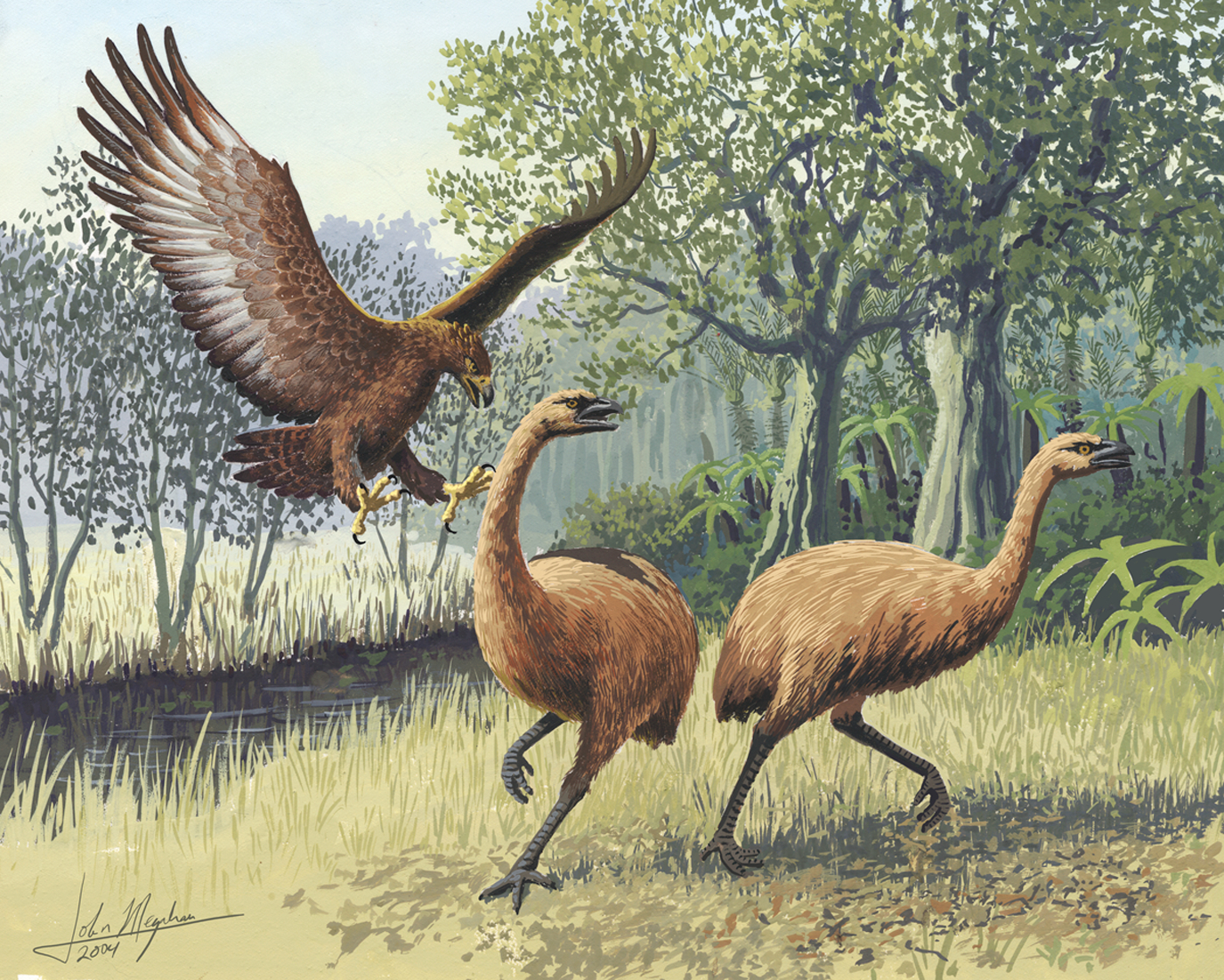
For roughly 80 million years, New Zealand was a human-free land dominated by giant birds like the Kākāpō (a flightless, nocturnal parrot), the iconic burrowing Kiwi, the 3.6-meter-tall Giant Moa., and the islands’ apex predator, the Haast’s Eagle – the largest eagle on Earth. The only land mammals on the islands were three species of bat.
Human settlers arrived from East Polynesia around 1250-1275 CE and introduced aute (paper mulberry plant), hue (calabash), the kiore (Polynesian rat), kūmara (sweet potato), kurī (Polynesian dog), taro, and yam. They also brought coconuts – but the climate proved unsuitable for them. They named the North Island, “Aotearoa,” Māori for “’Land of the Long White Cloud.” The South Island, meanwhile, was named “Te Waipounamu” (“The Place of Greenstone”). They became the Māori and organized their society into groups called iwi and smaller subgroups called hapū. They lived in fortified villages called Pā.
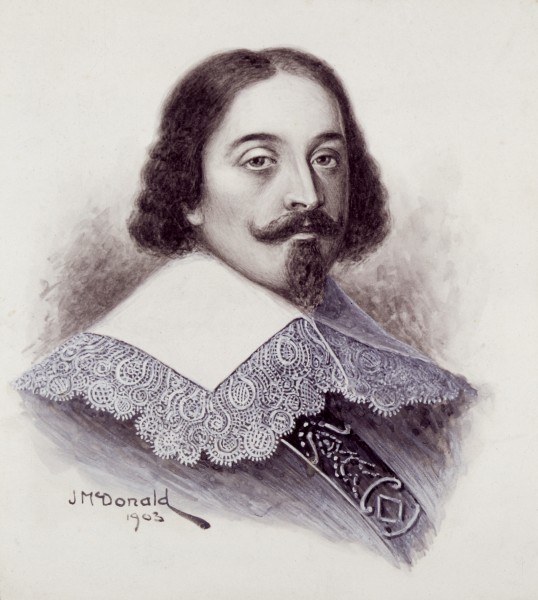
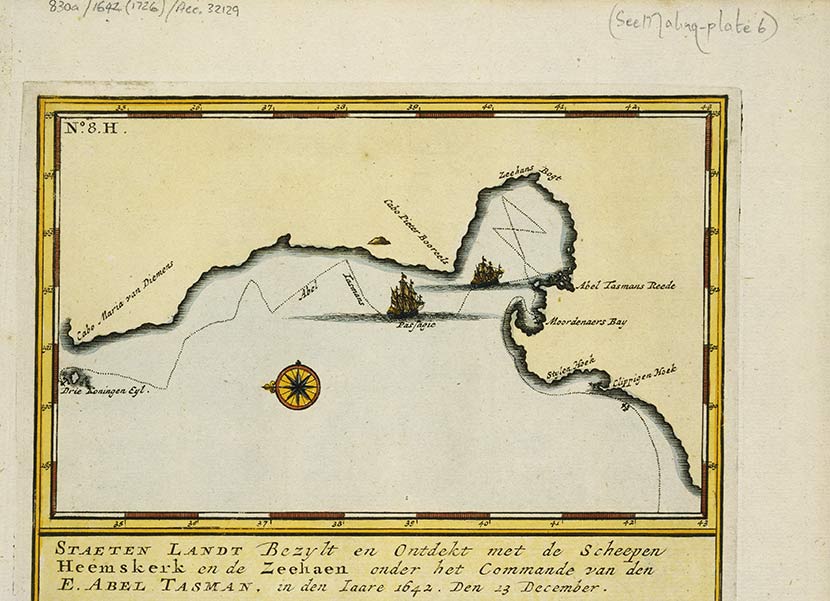
Abel Tasman, an explorer working for the Dutch East India Company, arrived about four centuries later, in 1642. He found no gold, silver, or valuable spices. Four of his crewmen were killed by Māori after their ship fired a cannon. Tasman renamed Aotearoa, “Staten Landt.” He named the area where he landed, Moordenaersbaai, or “Murderer’s Bay.” Staten Landt was deemed a bad investment and they didn’t return – although Staten Landt was renamed Nova Zeelandia around 1644.
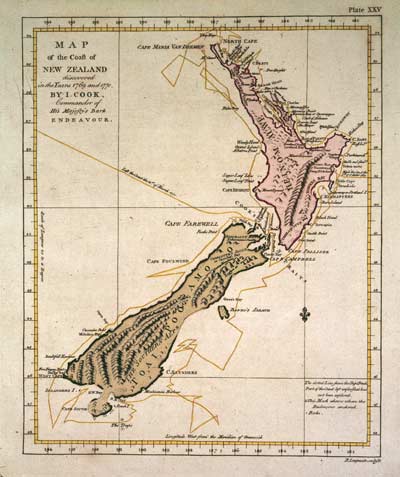
In 1769, British explorer James Cook, arrived. After that; sealers, whalers, and missionaries would settle the coast in small numbers. The shift to large-scale, planned settlement was triggered by the New Zealand Company, which sought to transplant British society to the “New World.” Wellington, the first official New Zealand Company settlement, was founded in 1840. On 6 February 1840, the British Crown and Māori chiefs signed the Treaty of Waitangi, intended as a founding partnership. Discrepancies between the Māori and English texts led to widespread land confiscation and the New Zealand Wars of the 1840s–1870s. New Zealand emerged from the conflict as a laboratory for social progress, famously becoming the first self-governing country to grant women the right to vote in 1893.
In the 20th century, New Zealand evolved from the “Britain of the South” into a Pacific nation with a strong sense of independence and national identity. In the 1980s, New Zealand famously banned nuclear-powered or nuclear-armed ships from its waters, causing a rift with the US. In recent years, the profile of New Zealand on the world stage has grown whilst it’s weathered social shifts, economic turbulence, and national efforts to navigate its dual cultural heritage.
NEW ZEALANDER DIASPORA
New Zealand has a very high diaspora rate. Of the world’s roughly 6.3 million New Zealanders, roughly one million live outside of New Zealand. Slightly smaller than the Philippines and slightly larger than the UK, it has less than one-twelfth the population of either… population of humans. New Zealand is famously home to more sheep than people, although that number is dropping. At its sheep peak in 1982, there were 22 sheep per person. Today, there are only 4.5.
There are several reasons for New Zealand’s small population. One is that it has only been home to humans for about 775 years. It’s also extremely isolated, which, until the age of commercial aviation, limited movement to and from the country. New Zealand also has a rugged, vertical landscape that is hostile to the development of either large cities or suburban sprawl. A huge portion of the county is designated National Parks. Many New Zealanders move away, too, with roughly 60% relocating to Australia – the “West Island” – (e.g. Jane Campion, Keith Urban, Roseanne “Rosé” Park, Russell Crowe, and Tim and Neil Finn). Roughly 60,000 Kiwis live in the UK, especially the London neighborhoods like Shepherds Bush and Clapham (historically nicknamed “Kiwiville”). The US is home to roughly 22,872 New Zealanders, with most living in California.
NEW ZEALANDER AMERICANS AND CALIFORNIA
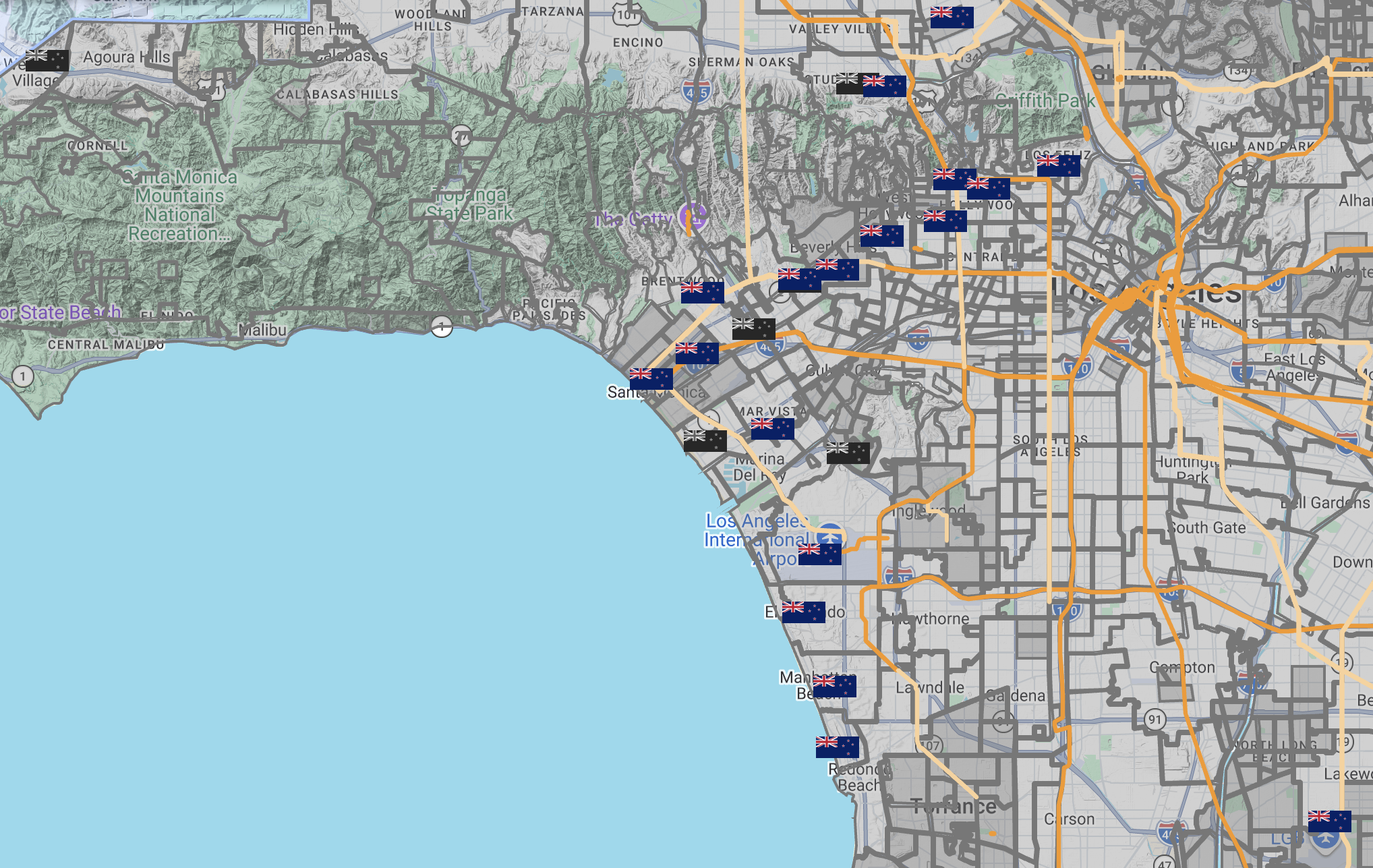
Historically, New Zealanders arrived in three waves. The first was the Gold Rushes of the 19th century – although many of those miners were highly mobile and later moved to Australia and back to New Zealand in search of gold. Most of those Kiwis arrived though San Francisco and lived in Siskiyou and Shasta counties. There is a tiny community of about seven homes called Auckland in Tulare County, that has existed since at least the 1910s – and possibly quite a bit earlier. Whether or not it has any ties to New Zealand isn’t clear.
In fact, most Southern California places that share names with towns in New Zealand are usually both named after British nobility and other prominent figures rather than after each other. Auckland Street and Avenue, in Baldwin Park and the North Hollywood area, are named after an English Earl, and not New Zealand’s most populous city. Napier Street?British General Sir Charles Napier. Two streets named Nelson are named after British naval hero, Horatio Nelson, not the New Zealand town. Hamilton Way and Avenue are named after the American Founding Father, not the city in Waikato. Even Wellington Square is named after the first Duke of Wellington – and not the Kiwi capital.
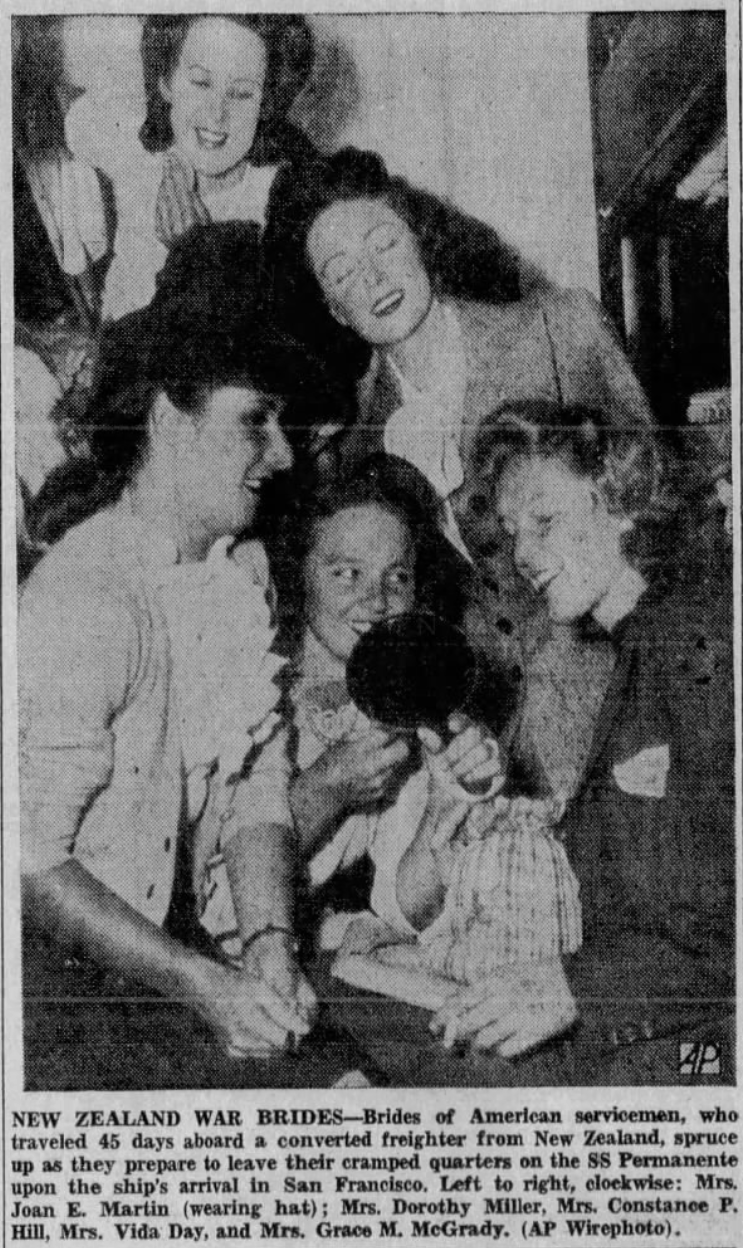
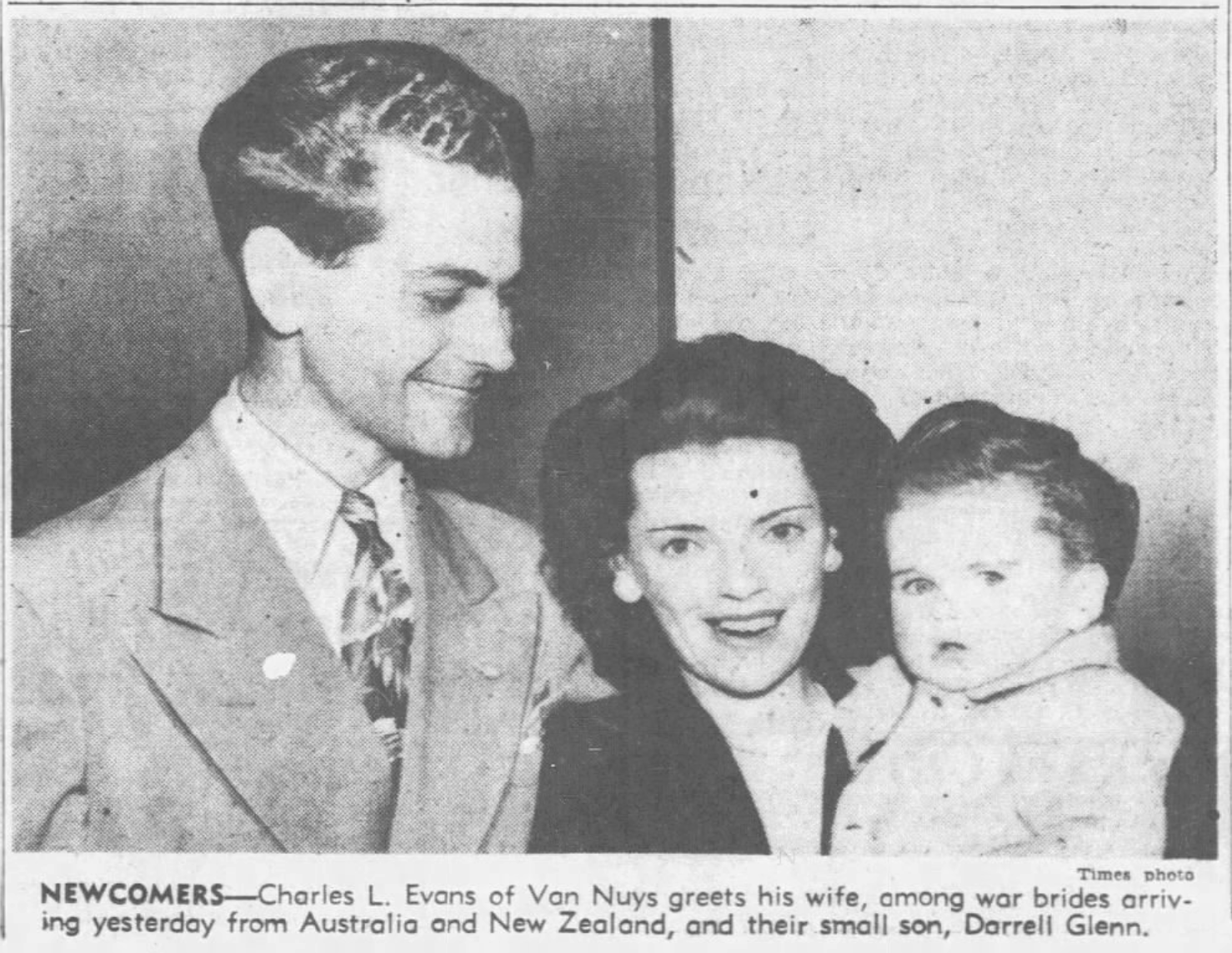
The second wave was the Post-Second World War “war bride” period. Nowadays, New Zealanders often choose California in order to pursue work in the entertainment, tech, and finance sectors. Between 1942 and 1952, approximately 1,450 New Zealand women married American GIs who’d been stationed in the Pacific. They moved to the US under the War Brides Act of 1945. Most entered the country through ports in California where some settled in the state.
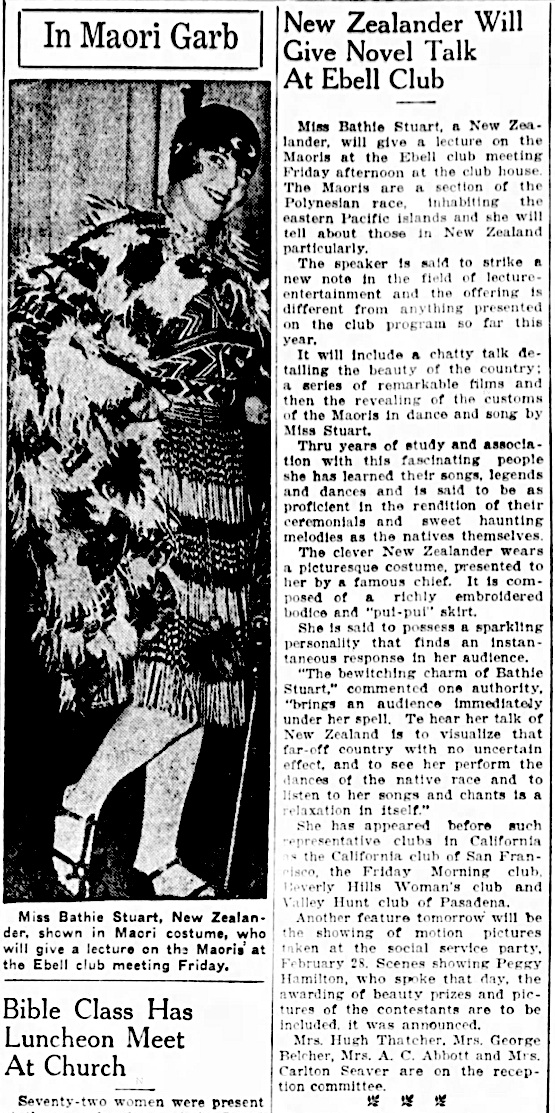
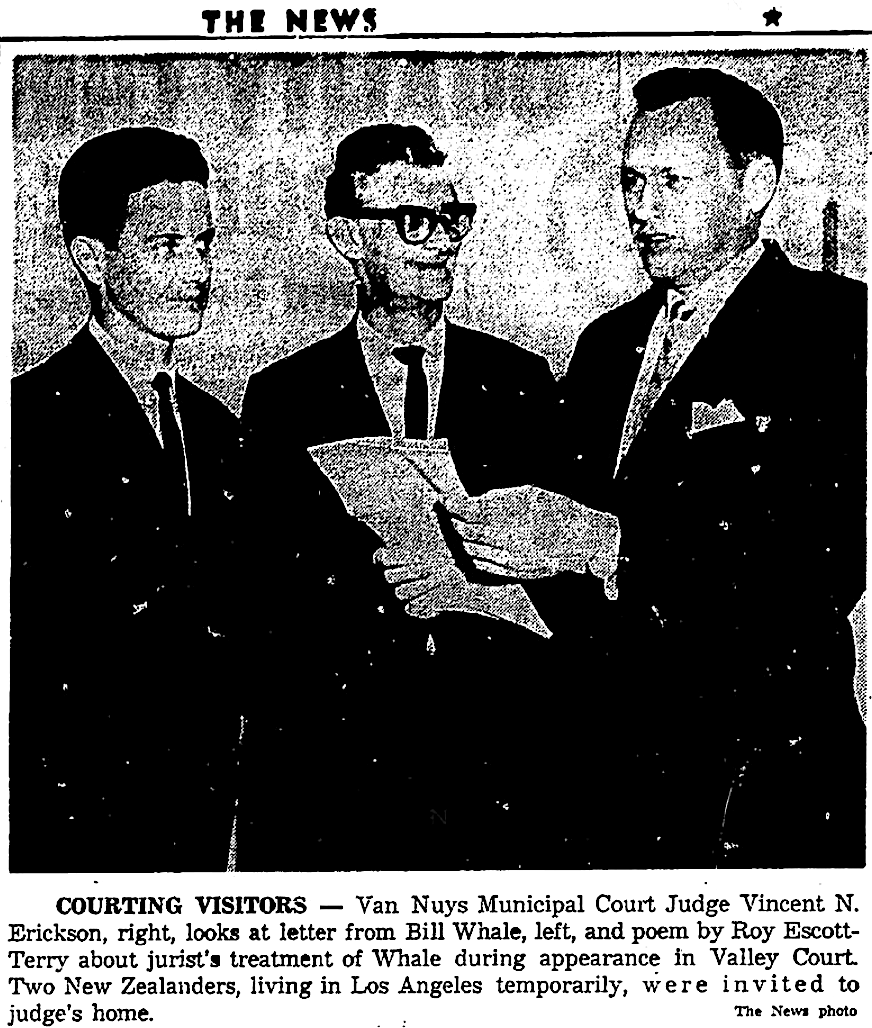
As of 2024, New Zealand-linked establishments contributed over 3,600 jobs and $371 million in wages to California’s economy. Whilst more New Zealanders live in Los Angeles, roughly two-thirds of New Zealand-induced jobs are located in the Bay Area.
KIWI FILM AND HOLLYWOOD
New Zealand’s film culture began in 1896, with a public screening of Edison’s Kinetograph at Abbott’s Opera House in Auckland, presented by Charles Godfrey’s Vaudeville Company. The county’s first filmmaker, Alfred Henry Whitehouse, made ten short films between 1898 and 1900. In 1941, The National Film Unit was established to support the war effort and foster national identity with tourism films and newsreels. John O’Shea challenged the state monopoly by making independent films like Broken Barrier (1952). Roger Donaldson’s Sleeping Dogs (1977) was the first New Zealand 35mm feature made by an entirely local crew and inaugurated the New Zealand New Wave of the ‘70s and ‘80s. Jane Campion’s The Piano (1993), brought international attention to the country’s film culture. The Lord of the Rings trilogy transformed the country into a global production hub.
Few Hollywood productions were actually shot in New Zealand until after the Lord of The Rings but roughly 75 silent Hollywood films, long believed to have been lost forever, were discovered in the New Zealand Film Archive in 2010. There were exceptions. Venus of the South Seas (1924) was an early Hollywood production filmed in Christchurch, Golden Bay, and Nelson. That was the exception, however, and Hollywood films set in New Zealand, like Green Dolphin Street (1947) and Until They Sail (1957), were filmed in Hollywood studios.
A loophole in New Zealand tax law was widely exploited by Hollywood in the 1980s, with studios co-producing films set in the US in New Zealand, including Battletruck (1982), The Bounty (1984), and Shaker Run (1985). The Piano – although directed by a New Zealander, filmed in New Zealand, and set in New Zealand – was a French-Australian co-production starring American actors (Harvey Keitel and Holly Hunter) alongside Kiwi Sam Neill and Canadian-born Anna Paquin.
Peter Jackson’s Bad Taste (1987), Meet the Feebles (1989), and Braindead (1992) established him as a low-budget splatter auteur and earned him a cult following. Heavenly Creatures and Forgotten Silver (1995) were critically championed. I, like a lot of fans, was nervous about The Frighteners (1996), which starred Michael J. Fox (and co-starred Jeffrey Combs). Hollywood has a decades-long track record of sucking out the charm and talent of foreign filmmakers. I was relieved to enjoy it as much as I did — but it wasn’t a commercial success. Nothing, though, prepared me for the highs of the Lord of the Rings trilogy – or the mind-boggling lows of the Hobbit.
The Lord of the Rings had a massive impact on New Zealand’s tourism industry and attracted major Hollywood productions drawn by the country’s dramatic landscapes. The Last Samurai (2003), King Kong (2005), Avatar (2009), The Chronicles of Narnia Series (2005–2010), and Mission: Impossible – Fallout (2018) all relied heavily on New Zealand’s landscapes and/or Jackson’s New Zealand-based Wētā FX.
There have been several notable Kiwis who’ve worked in Hollywood and lived in Los Angeles over the years. Whangaroa-born Rupert Julian (né Thomas Percival Hayes), arguably New Zealand’s first major Hollywood figure, moved to Los Angeles in 1913 and is best remembered today for his horror masterpiece, The Phantom of the Opera (1925). He remained in Los Angeles until his death in 1943.
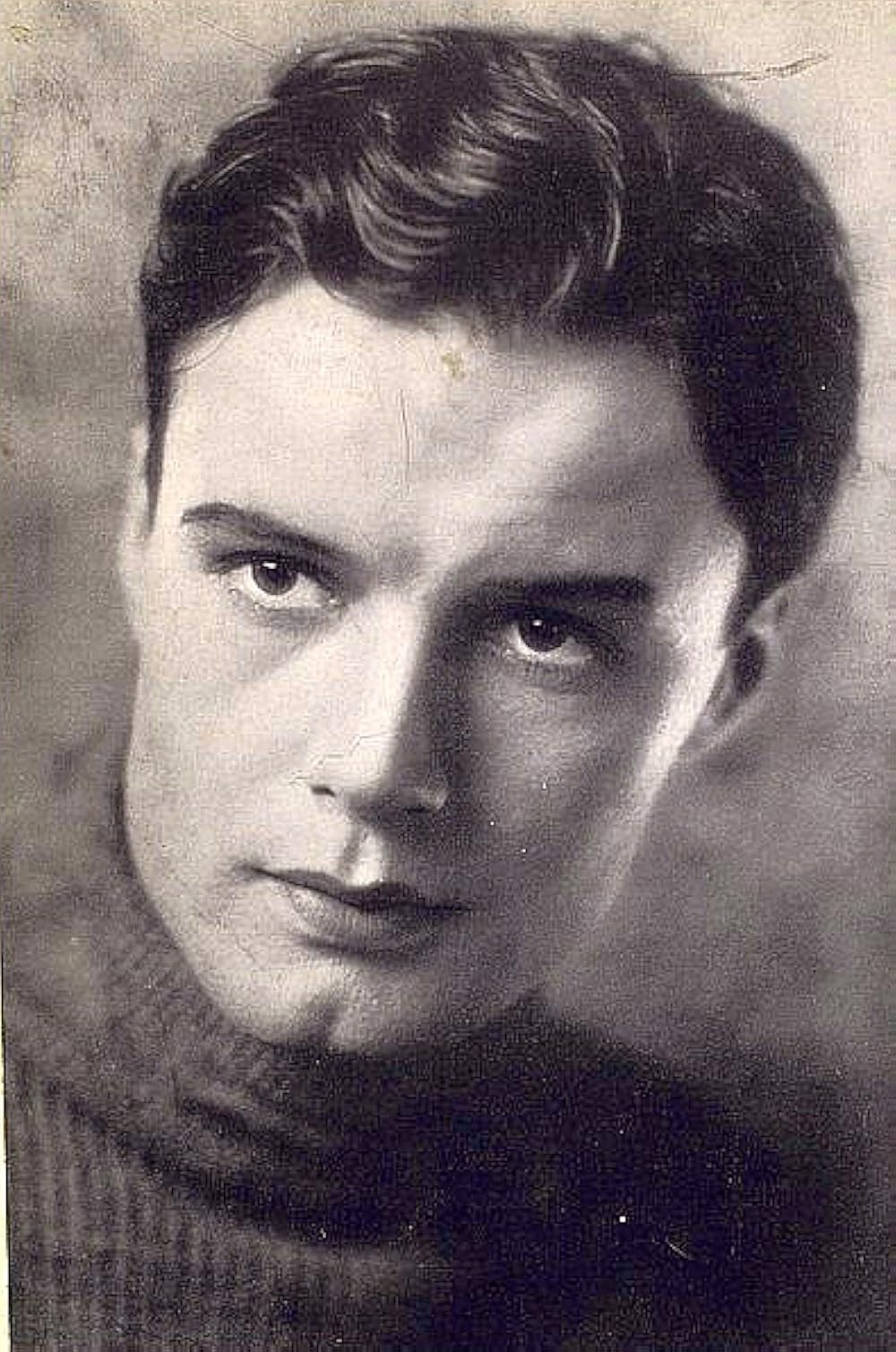
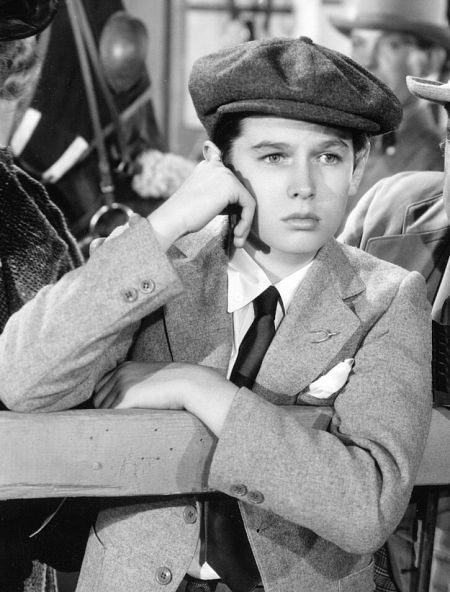
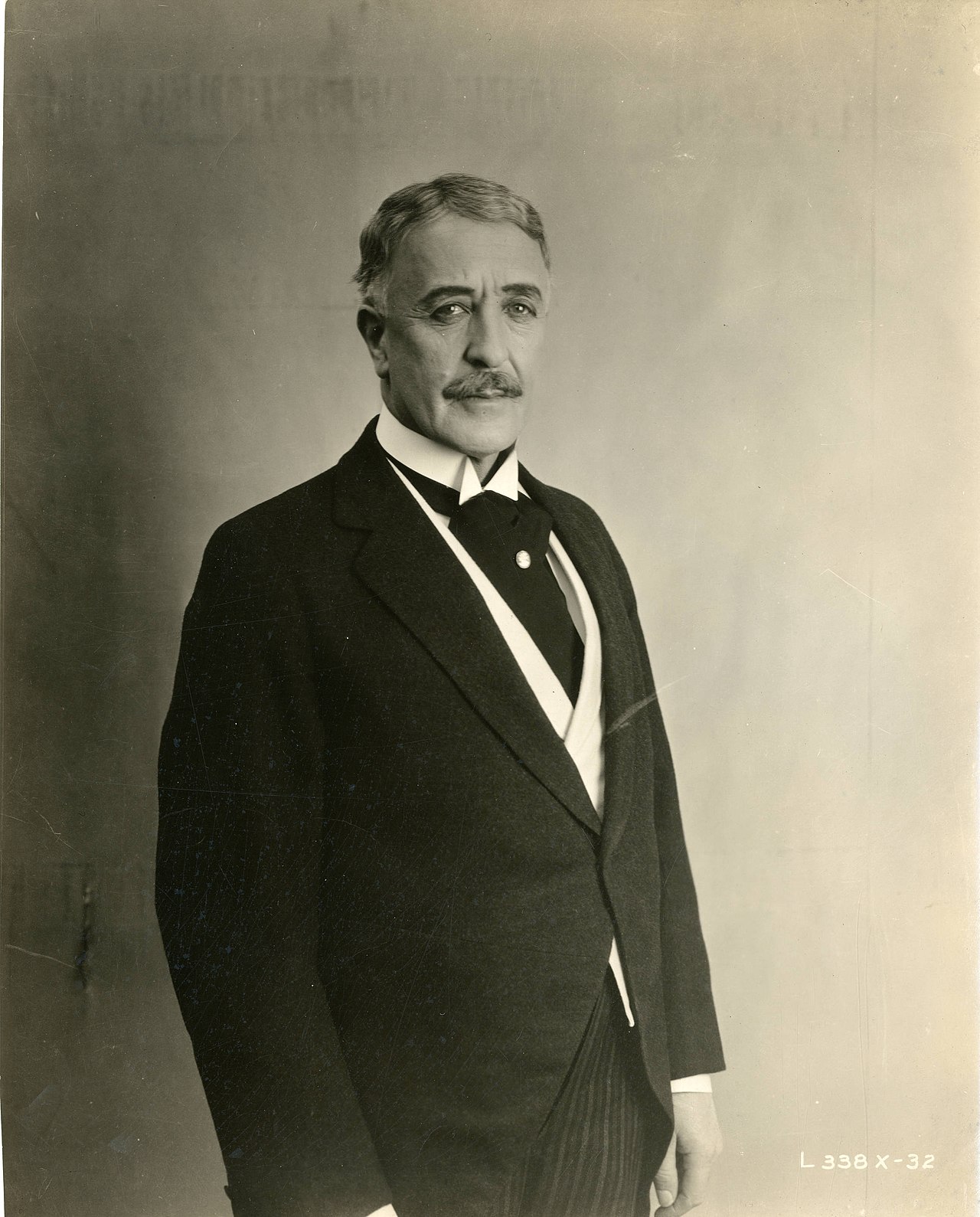
Left to right: John Batten, Ronald Sinclair, and Winter Hall
One of the earliest actors to move from New Zealand to Hollywood was Christchurch-born Winter Hall, who moved to Los Angeles during the silent era and appeared in over 120 films. Auckland-born John Batten moved to Los Angeles in the 1920s and starred in several silent films. Dunedin-born child actor, Ronald Sinclair, moved to Los Angeles around 1936 and played young Scrooge in 1938’s A Christmas Carol. He died in Woodland Hills in 1992.
New Zealand’s best-known actor, Sam Neill, has lived in Los Angeles but was rather vocal about his dislike of the experience. He and his then-wife, makeup artist Noriko Watanabe, moved to Los Angeles around 1990 at the urging of his agent. During his time in Los Angeles, he starred in the blockbusters, The Hunt for Red October (1990) and Jurassic Park (1993) – but he found the show business world in which he lived boring and deleterious for the health of their children. He left and now lives in Central Otago, where he runs the Two Paddocks vineyard.
Wellington-born Geoff Murphy, a key figure in the New Zealand New Wave, moved to Los Angeles where he made Hollywood films including Freejack (1992) and Under Siege 2: Dark Territory (1995).
Wellington-born Clive Revill, the voice of the Emperor in Star Wars, moved to Los Angeles in the 1990s.
New Plymouth-born Melanie Lynskey began spending time in Los Angeles in 1997 before moving here permanently in 2000. New Zealand-raised Anna Paquin moved to Los Angeles in the late 1990s. Auckland-born Martin Henderson moved to Los Angeles in the late ‘90s, too. Dunedin-born Alan Dale, veteran of Australian soaps, moved to Los Angeles in 2000 and has appeared in quite a few television series. Auckland-born filmmaker, Sean Grattan, moved to Los Angeles in 2009 to attend CalArts. Wellington-born Antony Starr moved to Los Angeles around 2011. Auckland-born Rose McIver moved to Silver Lake around 2011 and relocated to Atwater. Bret McKenzie lived in Silver Lake in the early 2010s and later claimed the home he owned was beneath the “D” in Hollywood. Raukokore-born Taika Waititi and his former wife bought a home in Studio City in 2019. He and his current wife bought a home in the Hollywood Hills in 2021.
THE MUSIC OF NEW ZEALAND AND KIWI ANGELENO MUSICIANS
New Zealand’s music history began with the Māori and their complex traditions of mōteatea (chanting) and taonga pūoro (traditional instruments like the pūkāea). Traditional Māori music consisted primarily of microtonal waiata (songs) and haka (dance-chants). Europeans introduced brass bands, choral music, and western harmonies, which Māori musicians fused with their own traditions to create unique forms like the action song (waiata-ā-ringa).
The local recording industry was born in 1949 with Ruru Karaitiana’s hit “Blue Smoke”, followed by the 1950s rock ‘n’ roll move led by Johnny Devlin. The same era was dominated by Māori show bands likeThe Howard Morrison Quartet and The Maori Volcanics.
The 1960s introduced Ray Columbus, who, with his backing band, the Invaders, became the first New Zealand act to have an international hit, which they did with their cover of “She’s A Mod,” that topped the Australian charts in 1964. In an attempt to break the US market, Columbus partnered with San Mateo’s The Art Collection. After the singer and band parted ways, the latter became the underrated mod band, Powder. Columbus, meanwhile, returned to New Zealand in 1968.
In the early 1980s, Auckland’s Split Enz, reached the lower end of the pop charts with “I Got You,” “History Never Repeats,” and “Six Months in a Leaky Boat.” The aforementioned Flying Nun was founded in Christchurch in 1981 by Roger Shepherd and was hugely important to indie fans of the era as the home of The Clean, The Chills, The Verlaines, and The Bats. I bought the DVD, Very Short Films, in 2004 (Jørgen, please return it if you still have it) and am currently reading Matthew Goody’s Needles and Plastic: Flying Nun Records, 1981–1988.
Although Shona Laing’s “(Glad I’m) Not a Kennedy” was a hit in Australia, New Zealand, and Sweden, it didn’t make the Billboard Top 100 in the US. It was, however, popular with Vietnamese New Wavers, who were often the only Americans to pick up on interesting synth-driven tunes. With Metro Los Angeles home to the largest Vietnamese community outside of Vietnam, the song was especially popular in North Orange County’s Little Saigon. Surely it deserves a second-life, now, with our brainworm-plagued secretary of health and human services providing a new subtext and yet one more reason to be glad to not be a member of that troubled family.
Although, in the late ‘90s, OMC proved to be a one-hit-wonder in the US, we now have mainstream Kiwi pop stars with more enduring careers like Benee, Kimbra, Six60, and Lorde. Keith Urban, though primarily based in Nashville, bought a home in the gated-Hidden Valley Estates in 2008 (although, since their divorce, he appears to be a Nashville man). Brooke Fraser (Brooke Ligertwood) has lived in Los Angeles since 2009. Kimbra (Kimbra Lee Johnson) lived in Los Angeles in the early 2010s before moving to New York City in 2016. The Naked and Famous relocated from Auckland to Los Angeles in 2012. Gin Wigmore moved to Silver Lake in 2013. South African-born/New Zealand-raised Chelsea Jade moved to Los Angeles in 2015. Jackson Owens settled in Los Angeles around 2018. Thomston (Thomas Stoneman) moved to Los Angeles around 2018. BAYNK (Jock Nowell-Usticke) moved to Los Angeles in 2020 and moved back after a stay in London. Neil Finn bought a home in Los Feliz in 2020. Christchurch-born singer Bella Beau moved to Los Angeles in 2021. Benee (Stella Bennett) moved to Los Angeles around 2023. Will Swinton moved to Los Angeles in 2024.
KIWI CUISINE
New Zealand cuisine blends British staples, with Māori techniques, South Pacific ingredients, and cafe culture. Māori traditions include chicken, lamb, and pork, flesh cooked in earthen ovens as well as potato, pumpkin, sweet potato slow-cooked over hot stones. There’s also the boil-up, which combines pork, potatoes, and dumplings cooked with indigenous ingredients like pūhā (sow thistle). Crayfish, green-lipped mussels, and king salmon are also widely consumed. Dishes with roots in England include fish and chips, and meat pies. Flat whites, invented in Australia (sorry!) are popular – as are truly New Zealand sweets like Afghan Biscuits, Hokey Pokey Ice Cream, and Lolly Cakes.
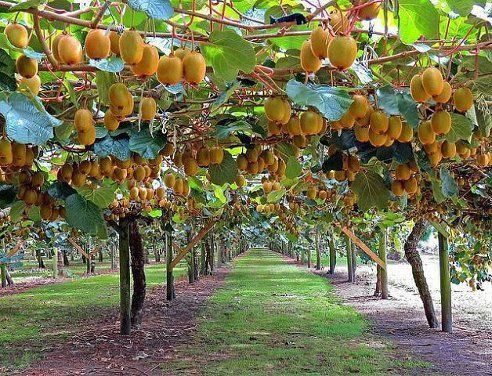
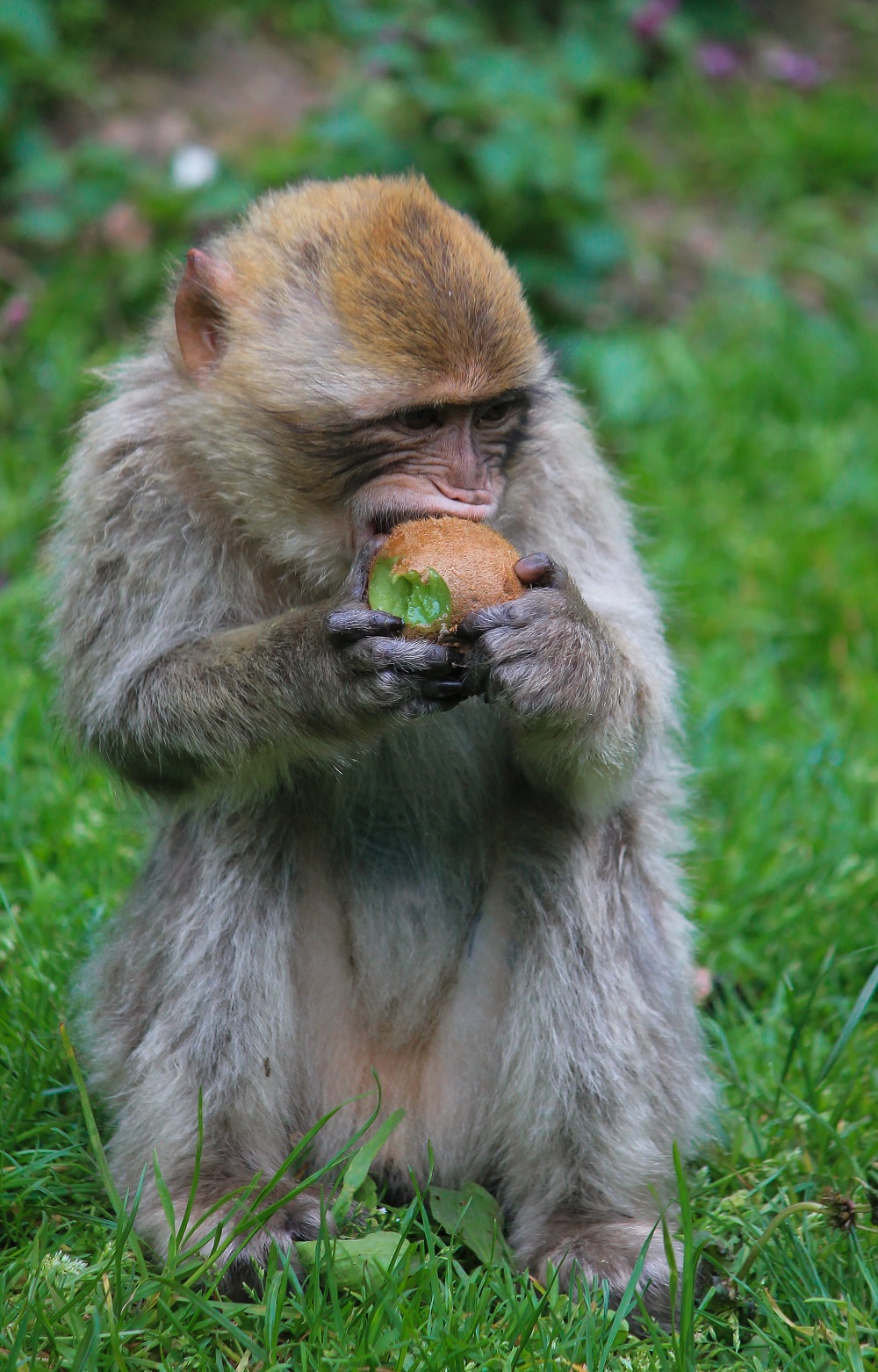
The aforementioned Kiwifruit (often shortened to kiwi) became a staple of American supermarkets in the 20th century, thanks mainly to an Angelena wholesaler, Frieda Caplan. Kiwifruit are native to to central and eastern China, where they are known as 獼猴桃 (literally “monkey/macaque peach”). They were first introduced by Mary Isabel Fraser to New Zealand from China in 1904, as Chinese gooseberries. American GIs acquired a taste for them during the Second World War. They were rebranded kiwifruit in 1959. The first major shipment was imported by Caplan to the US in 1964. Stripped of their associations with America’s rival, China, they quickly grew popular in California, which produced the vast majority of the crop in the US, and where they were often used as a garnish. By 1986, they were present in roughly 87%, leading to their being called an “18 year overnight success.”
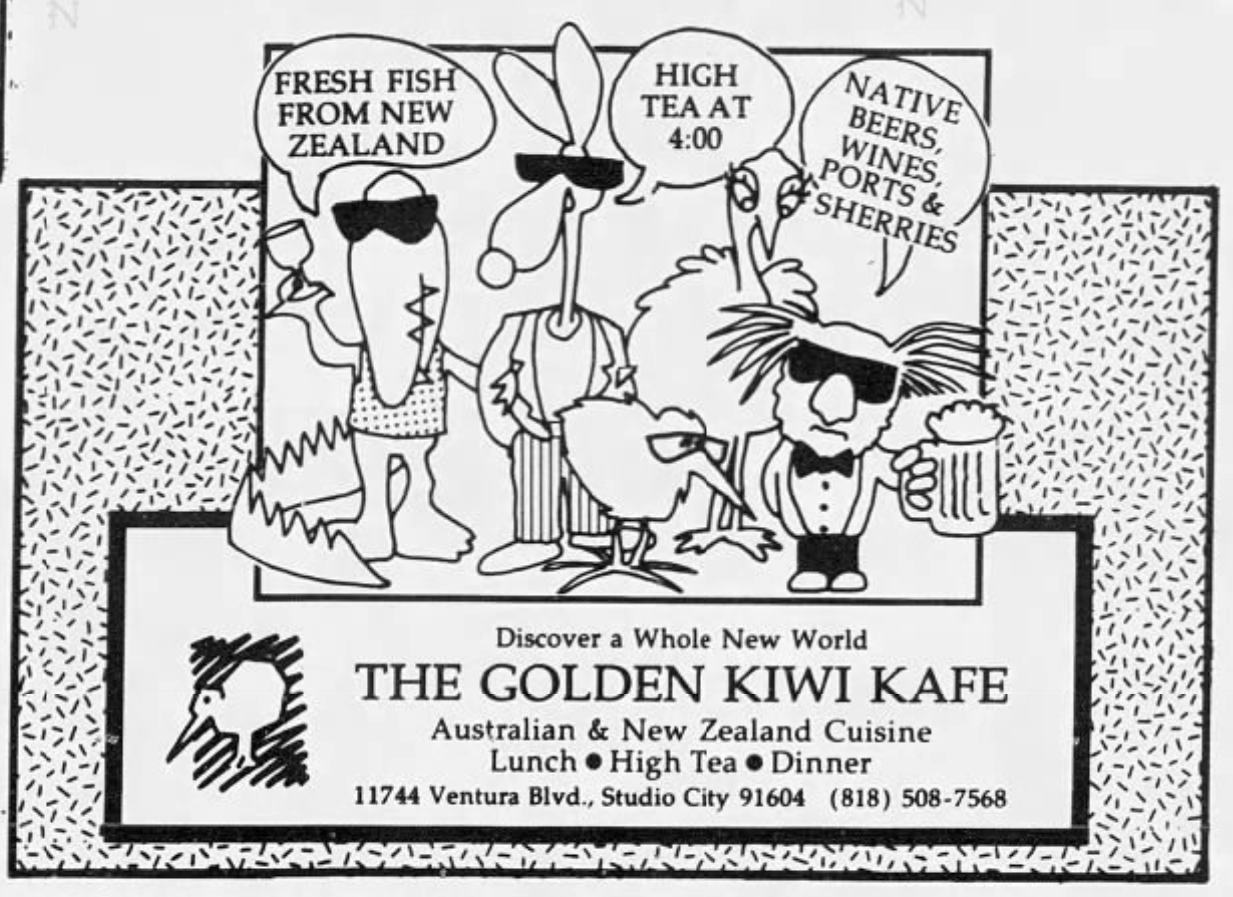
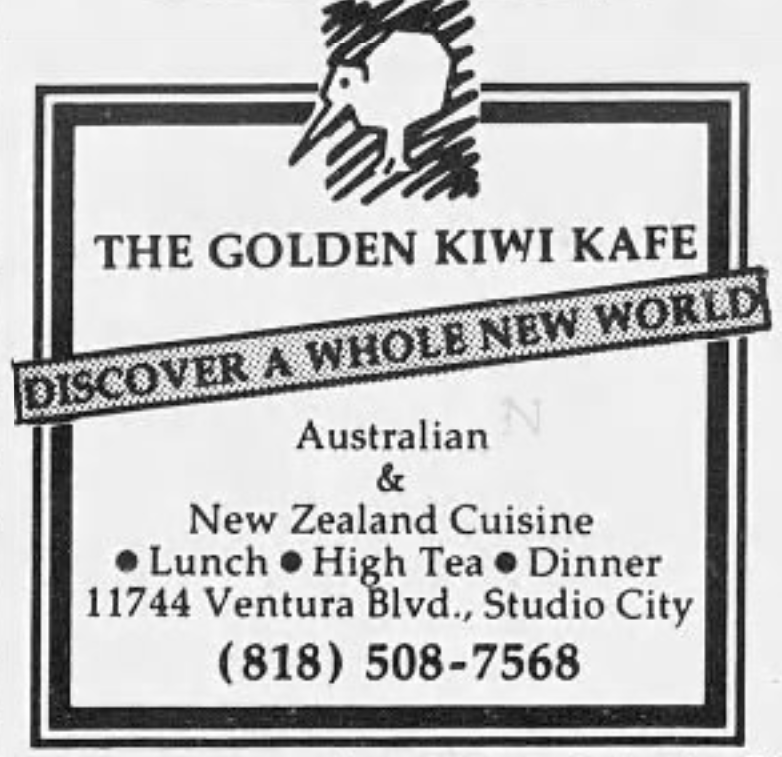
The first New Zealand restaurant in Los Angeles may have been The Golden Kiwi Kafe, which was reviewed as a new establishment by Michelle Huneven for The Los Angeles Times in 1988. Lucifer’s Pizza is a well-known Los Angeles pizza chain founded by Aukland-raised Adam Borich. The first location opened in Los Feliz in 2008. Two Guns Espresso was founded in 2011 in Manhattan Beach by New Zealanders Andrew and Natalie Stanisich. Gwithyen “Gwith” Thomas and his wife, Justine, opened Aroha New Zealand Cuisine in Westlake Village in 2014. It closed in 2018 due to the Woolsey Fire. Tangaroa Fish Market, in Culver City’s Culver-West neighborhood, was established by Pukerua Bay-raised Mark White in 2015. Ponsonby Road Cafe, named after one of Auckland’s most famous strips, is owned by New Zealander immigrant, Jonathan Glover, who opened it in Beverly Grove in 2020. Matū and Matū Kai are two upscale steakhouses in Los Angeles built entirely around a partnership with First Light Farms in New Zealand. They were founded by Jerry A. Greenberg (a co-founder of Sugarfish) and others. They opened in Roxbury Park in 2020 and Brentwood in 2025, respectively. Duncan Parsons and Joe Wedd, both from Hawke’s Bay, launched Creamy Boys Ice Cream out of a truck in 2020. In 2023, they opened their first shop in Hermosa Beach. A second location, in El Segundo, followed. Three brothers – Anand, Bud, and Dhyan Chalmers – founded Hokey Pokey LA in 2022. After opening their first location in Century City, the Hawke’s Bay natives expanded into Culver City’s Fox Hills (since closed) and the Ovation in Hollywood-Highland. Although further away, Kairoa Brewing Company, in San Diego’s University Heights, is run by immigrants from Akaroa and Kaikoura. The Gum Tree Shop & Cafe is Australian but serves items popular with kiwis like meat pies.
New Zealand’s wine industry is small (about 700 wineries) but globally acclaimed and largely focused on the export sector. The country is known for its Pinot Noir and – especially – the intense, aromatic Sauvignon Blancs of the Marlborough region. Although dating back to 1819, the industry saw its modern boom begin in the 1970s. If you spend any time in a wine shop or section, you will recognize brands like Clifford Bay, Kim Crawford, Matua, Oyster Bay, and Starborough. I believe my first New Zealand wine, however, was a crisp, dry Riesling, which a college roommate and I sought out when we were becoming more interested in wine. Rieslings account for less than 1% of their imports, though, and are sometimes described as the industry’s “undiscovered gem.”
About 90% of New Zealand’s wines are exported. Coffee is the most widely consumed beverage, although tea is also popular. Local soft drinks include “L&P” (Lemon & Paeroa), “V” (a popular energy drink), “Raro” (a nostalgic juice mix), and “Just Juice“. When it comes to alcoholic beverages, beer is king – represented by Speight’s, Steinlager, DB Export, Waikato Draught, Lion Red, Tui, Garage Project, Panhead Custom Ales, 8 Wired, and Emerson’s. Heineken, Corona, and Tiger are all brewed there under license.
NEW ZEALAND ANGELENO ART AND ARTISTS
New Zealand’s art history begins with Māori traditions and continues into the present with a multicultural identity. It began with the intricate whakairo (carving), raranga (weaving), and tā moko –the traditional Māori tattooing that serves as the visual language of whakapapa (genealogy), status, and tribal history. The 19th century saw the arrival of landscape painting, often painted for a British audience. By the mid-20th century, a distinct New Zealand Modernism emerged, exemplified by Colin McCahon and Rita Angus.
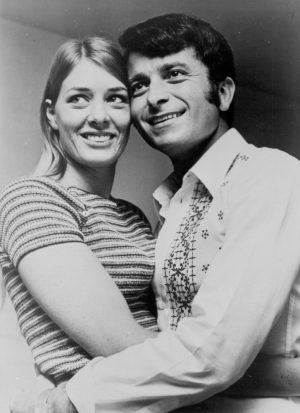
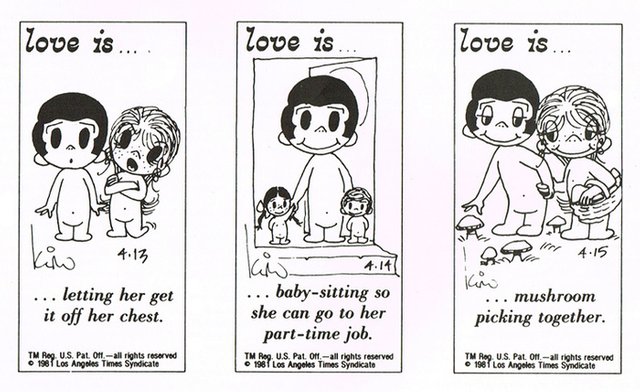
One of the first Kiwi artists to have an impact on the culture of Los Angeles was Kim Casali The artist was born Marilyn Judith Grove in Aukland on 9 September 1941. When she was nineteen, she left home to travel the world and ended up in Los Angeles in 1967. There, she met and began a relationship with a computer engineer named Roberto Alfredo Vincenzo Casali. Around that time, Kim began drawing kewpie-inspired cartoons to illustrate humorous incidents and on love letters to Roberto. Under the pen name “Kim,” the Los Angeles Times began publishing them as a series, Love Is… beginning on 5 January 1970. Although the strips were, at their peak of popularity, carried in some fifty newspapers, both Kim and Roberto were in the US illegally, and they returned to New Zealand where they were married in 1971. After Roberto died, the Casali family moved to Australia and Kim ultimately settled in the UK, where she died in 1997.
Within Los Angeles, today, there are at least a couple of Kiwi Angleneno artists. Christchurch-born Graffitist Dcypher (Guy Ellis) moved to Los Angeles in 2008 and became associated with the CBS crew (Can’t Be Stopped). Illustrator, graphic designer, and tattoo artist, Leandy Wu, moved from New Zealand to Los Angeles in 2016, after graduating from Auckland University of Technology (AUT) with a degree in Graphic Design.
PLANTS & ANIMALS
There are several species of plants common in Los Angeles that are imports from New Zealand. The New Zealand Christmas Tree (Pōhutukawa) is common, especially in medians of cities like Santa Monica and Long Beach. The Nīkau Palm is one of the many non-native monocots found around the region. The New Zealand Flax (Harakeke) and New Zealand Tea Tree (Mānuka) are both popular with homeowners who favor low maintenance landscaped yards. One of the most unwelcome non-native species common in Southern California is the invasive New Zealand Mudsnail, which reproduces asexually and often outcompetes native species. They arrived in the US in the 1980s, when hitchhiking with rainbow trout shipped from New Zealand to Idaho.
HOLIDAYS
Widely observed holidays in New Zealand are largely the same as those of other countries in the Anglosphere. Holidays unique to New Zealand (and in ANZAC’s case, Australia) include Waitangi Day (which has been marked by Kiwis on Santa Monica Beach in the past with massive sand sculptures), Anzac Day (25 April – typically observed at the Los Angeles National Cemetery), and Matariki ( Māori New Year, usually in June or July).
NEW ZEALAND SPORTS AND ATHLETES IN LOS ANGELES
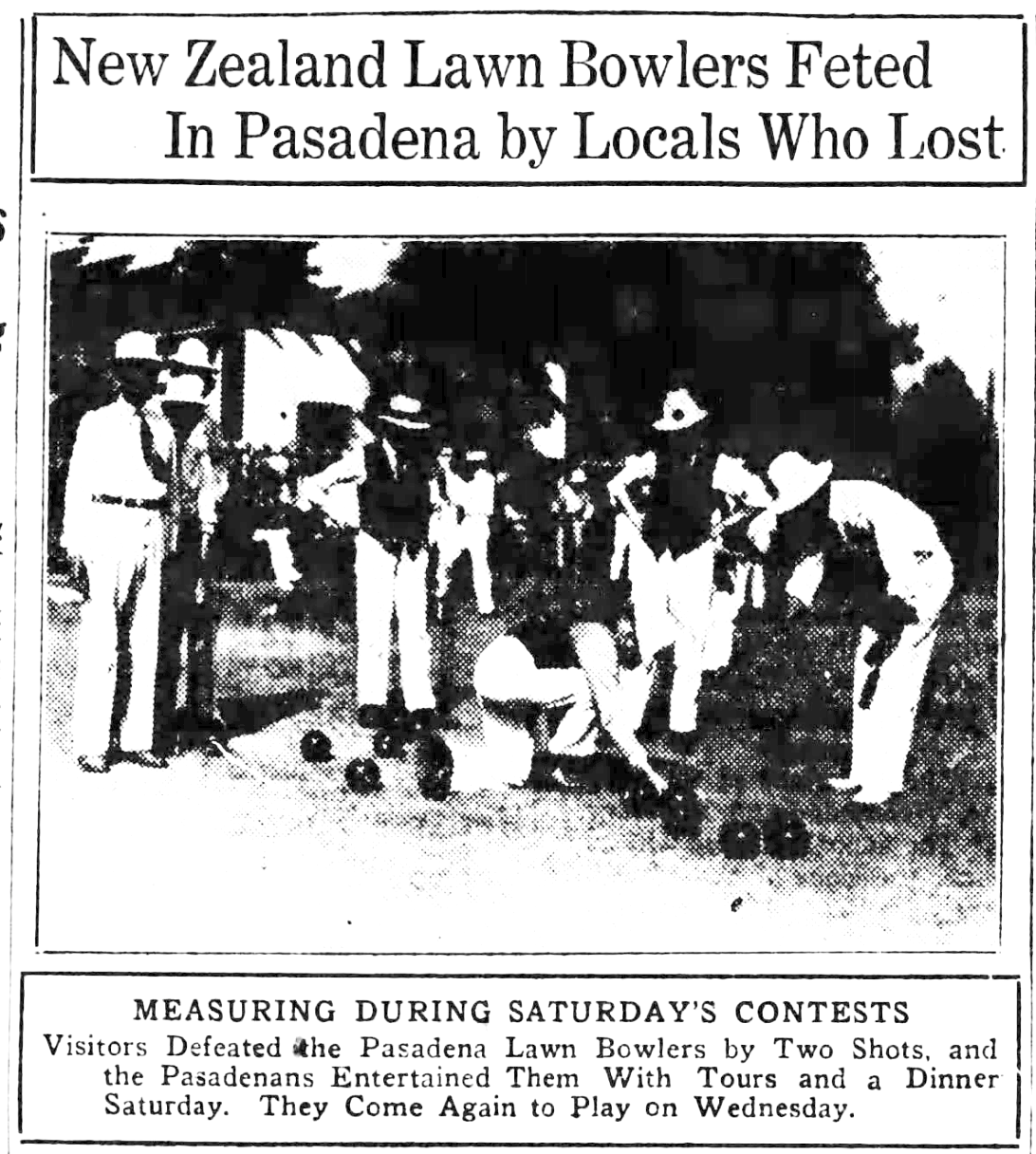
Sports in New Zealand are deeply rooted in its British colonial heritage. Rugby union established itself as the national sport in the late 19th century with the All Blacks and remains the most popular with spectators. Association football (soccer) meanwhile, is the most popular by participation. Netball and cricket have also long been popular whilst basketball is rapidly growing more popular.
There have been several Kiwi athletes who’ve called Los Angeles home or played for Los Angeles teams. Riki Ellison was the first New Zealander to play in the NFL and, before that, played for the USC Trojans (1978–1982). He later returned to play for the Los Angeles Raiders (1990–1992). His son, Rhett Ellison, also plays American football.
The legendary All Black center, Ma’a Nonu, established a residence in Los Angeles when he joined the LA Giltinis in 2021. The LA Giltinis were a professionalrugby union team based in Los Angeles that competed in Major League Rugby (MLR) from 2021 to 2022. They played their home matches at the Los Angeles Memorial Coliseum. In 2022, the Giltinis and their sister team, the Austin Gilgronis, were expelled from the league for “violations of league rules,” specifically related to salary cap breaches and conduct deemed detrimental to the league.
Sean Marks was the first Kiwi in the NBA. He lived in Los Angeles during his tenure with the Los Angeles Clippers (2000–2001).
KIWI COMMUNITY ORGANIZATIONS
There are several local organizations serving the local Kiwi community.
New Zealand’s Government Trade Commissioner opened a post in Los Angeles in 1935, even before its first embassy in Washington, DC (1941). In 1964, it evolved into a formal New Zealand Consulate-General office. In 2005, the Consulate-General moved into its current model of co-locating all major public agencies (Foreign Affairs, Trade and Enterprise, and Immigration) under the single roof of “NZ Inc.” The New Zealand Official Residence is located in Brentwood and serves as a key venue for the New Zealand Consulate-General to host diplomatic, business networking, and community events… but it’s address is private.
The Kiwi Club is a national organization founded by and for former American Airlines flight attendants. It began in the 1930s and formally organized in 1946. It’s Southern California chapter was established in 1952. There are also chapters in Anaheim, Orange County/Long Beach, San Diego, and the South Bay.
Founded in 2014, Kiwis in LA is the most active social organization for the local diaspora and hosts “Storytellers Night” on the last Tuesday of every month. Meetings are frequently hosted at Tangaroa Fish Market.
FURTHER READING
- “New Kiwis and New Americans” by Ann Morse, 2007
- “The Truth About Life in Los Angeles, According to Kiwi Expats” by Lorna Thornber, 2019
- “‘Kiwi Queen’ Frieda Caplan, produce-industry pioneer, dies at 96” by Mary McNamara, 2020, Los Angeles Times
Support Eric Brightwell on Patreon

Eric Brightwell is an adventurer, essayist, rambler, explorer, cartographer, and guerrilla gardener who is always open to paid writing, speaking, traveling, and art opportunities. He is not interested in generating advertorials, cranking out clickbait, or laboring away in a listicle mill “for exposure.”
Brightwell has written for Angels Walk LA, Amoeblog, Boom: A Journal of California, diaCRITICS, Hey Freelancer!, Hidden Los Angeles, and KCET Departures. His art has been featured by the American Institute of Architects, the Architecture & Design Museum, the Craft Contemporary, Form Follows Function, the Los Angeles County Store, Sidewalking: Coming to Terms With Los Angeles, Skid Row Housing Trust, the 1650 Gallery, and Abundant Housing LA.
Brightwell has been featured as subject and/or guest in The Los Angeles Times, VICE, Huffington Post, Los Angeles Magazine, LAist, CurbedLA, LA Times 404, Marketplace, Office Hours Live, L.A. Untangled, Spectrum News, Eastsider LA, Boing Boing, Los Angeles, I’m Yours, Notebook on Cities and Culture, the Silver Lake History Collective, KCRW‘s Which Way, LA?, All Valley Everything, Hear in LA, KPCC‘s How to LA, at Emerson College, and at the University of Southern California. He is the co-host of the podcast, Nobody Drives in LA.
Brightwell has written a haiku-inspired guidebook, Los Angeles Neighborhoods — From Academy Hill to Zamperini Field and All Points Between; and a self-guided walking tour of Silver Lake covering architecture, history, and culture, titled Silver Lake Walks. If you’re an interested literary agent or publisher, please out. You may also follow on Bluesky, Duolingo, Facebook, Goodreads, iNaturalist, Instagram, Letterboxd, Medium, Mubi, Substack, Threads, and TikTok.


 Eric Brightwell