The following article was written for the Silver Lake Neighborhood Council‘s “Ask Silver Lake” series — ‘Ask Silver Lake’ is dedicated to exploring the history and insights of our community. If you have questions or ideas you’d like us to consider, please drop a comment or send them to outreach@silverlakenc.org.’
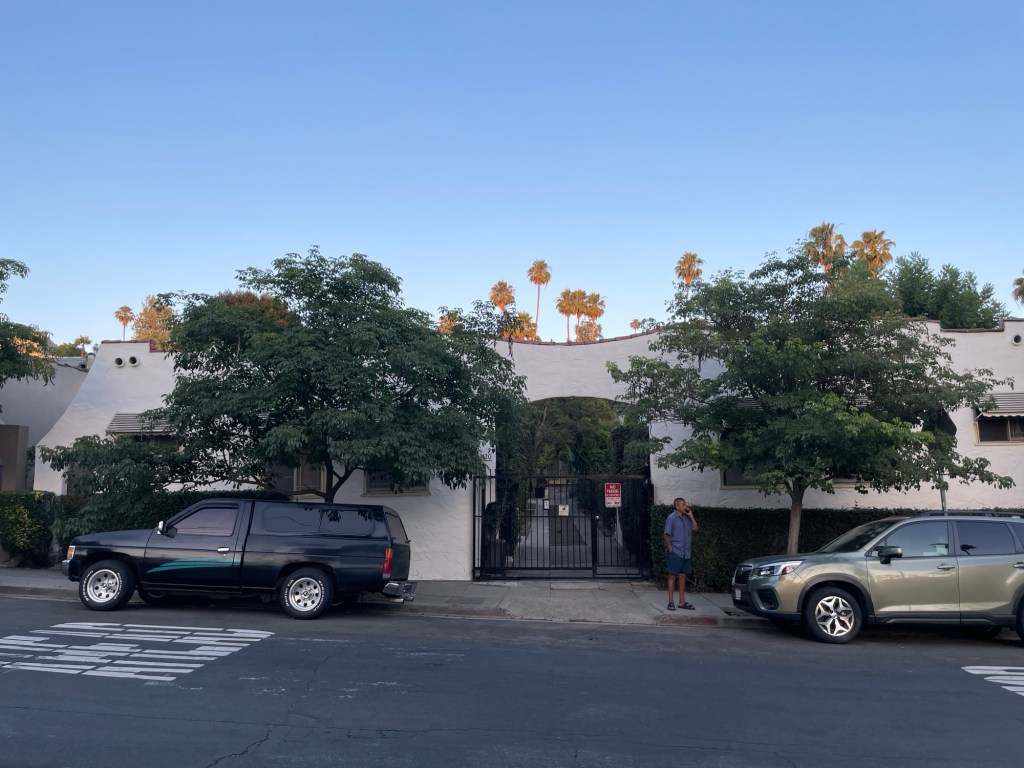
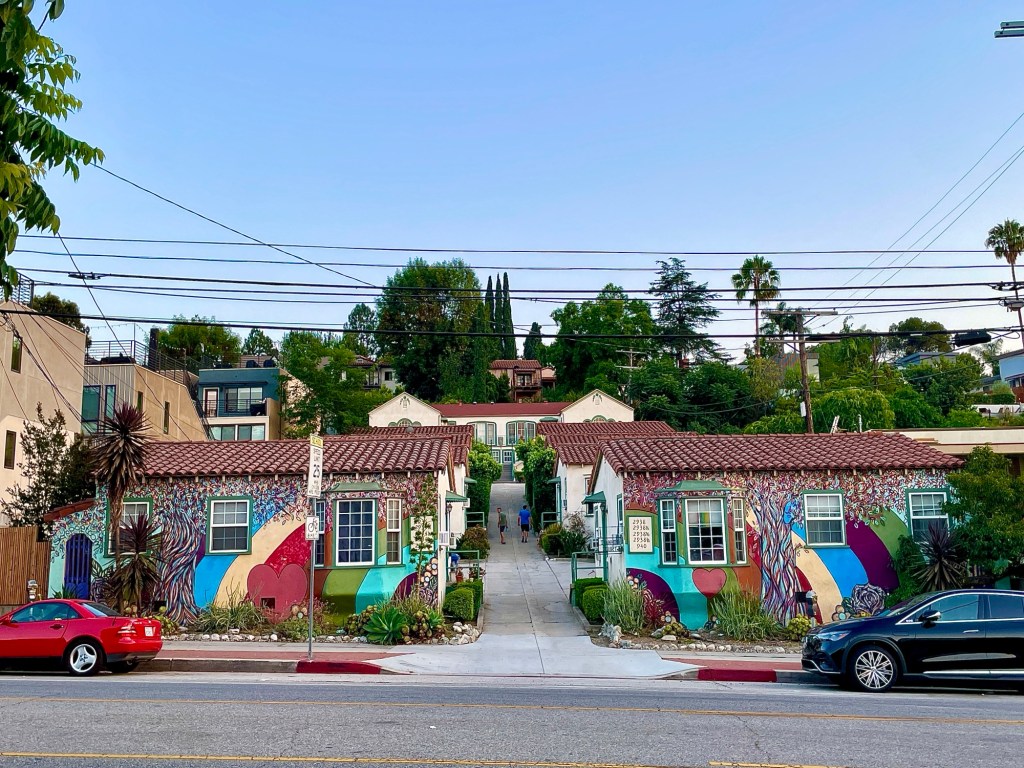
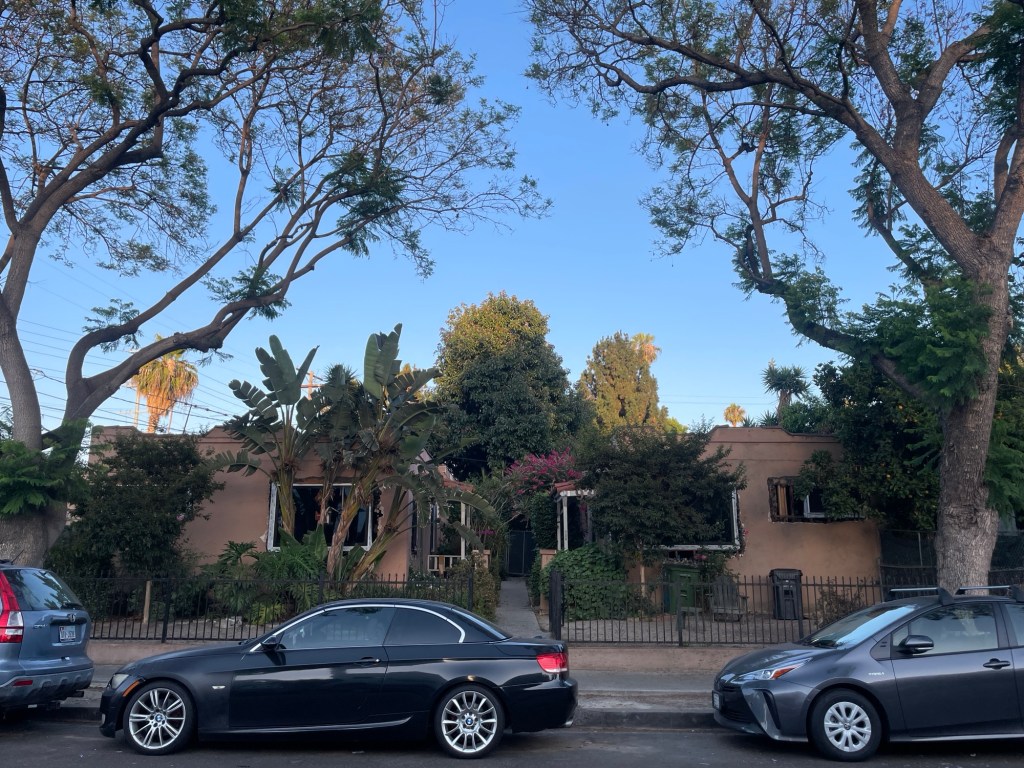
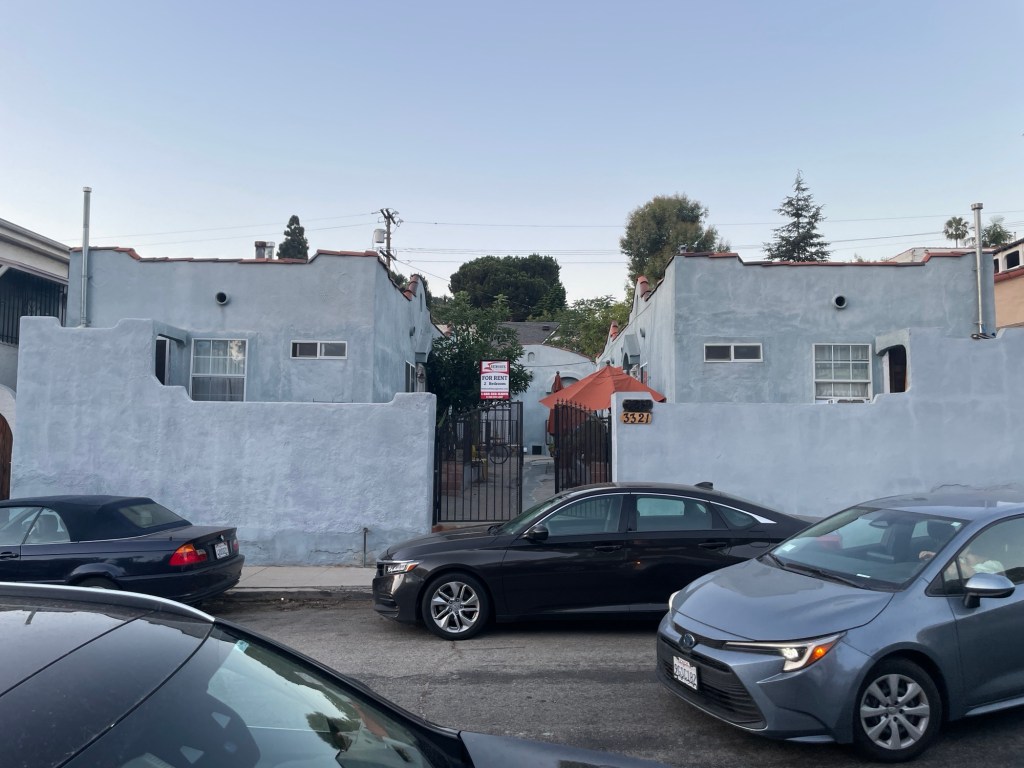
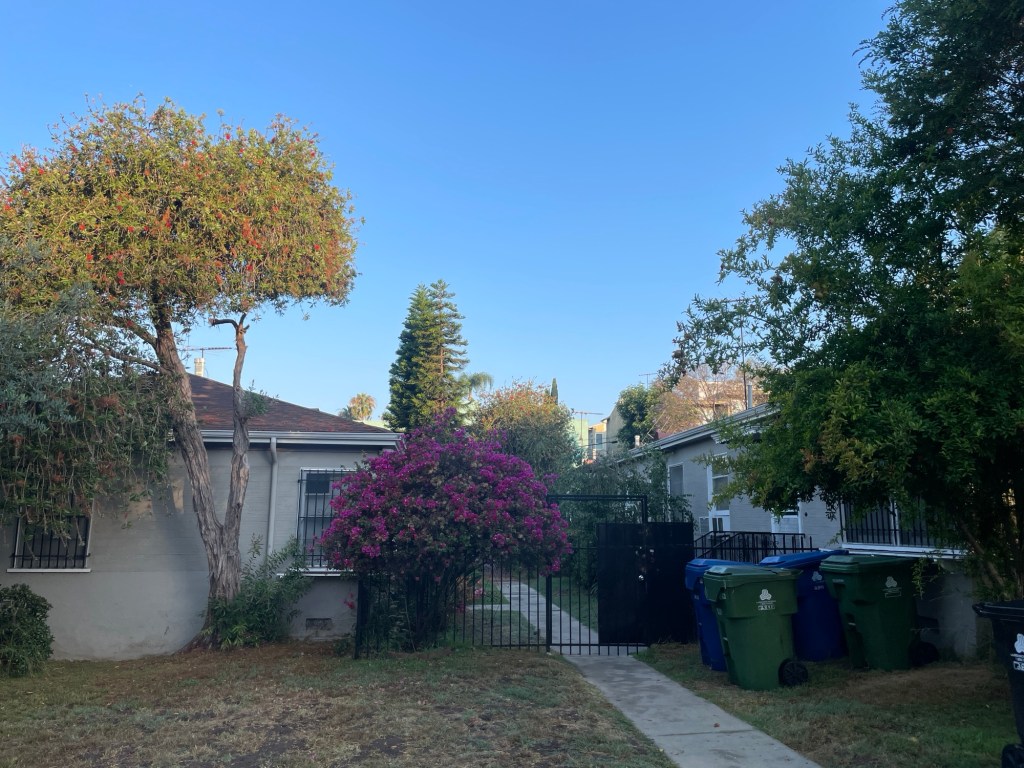
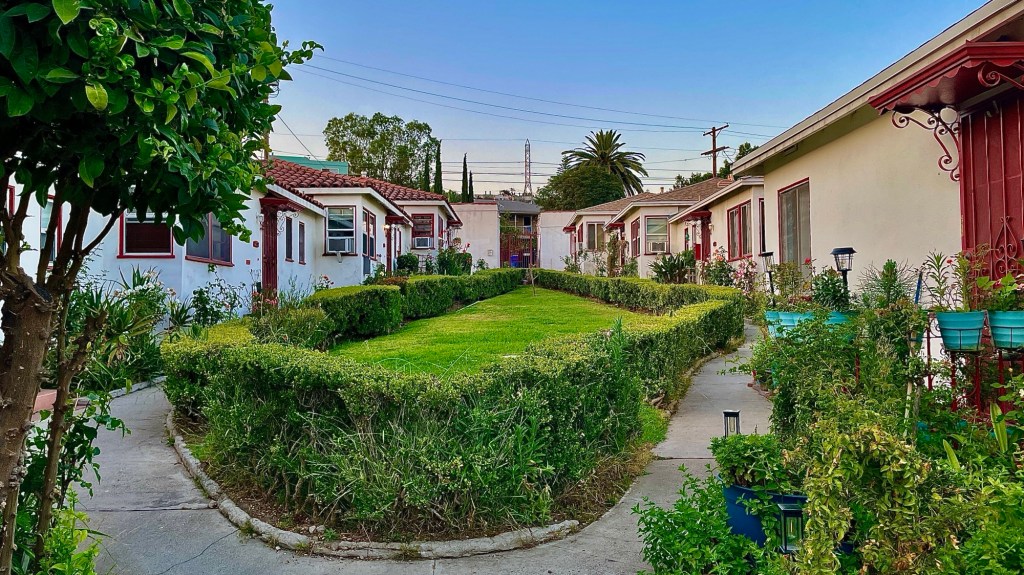
This month’s “Ask Silver Lake” is about bungalow courts, which several readers requested as a topic. Bungalow courts are a type of multi-dwelling housing development that were a very popular construction design in the 1920s and ‘30s. A bungalow court consists of multiple dwellings on a single lot. They typically consist of five to ten detached bungalows oriented around a central courtyard or walkway. Occasionally, at the back of the lot, is a larger building like a duplex or four-plex.
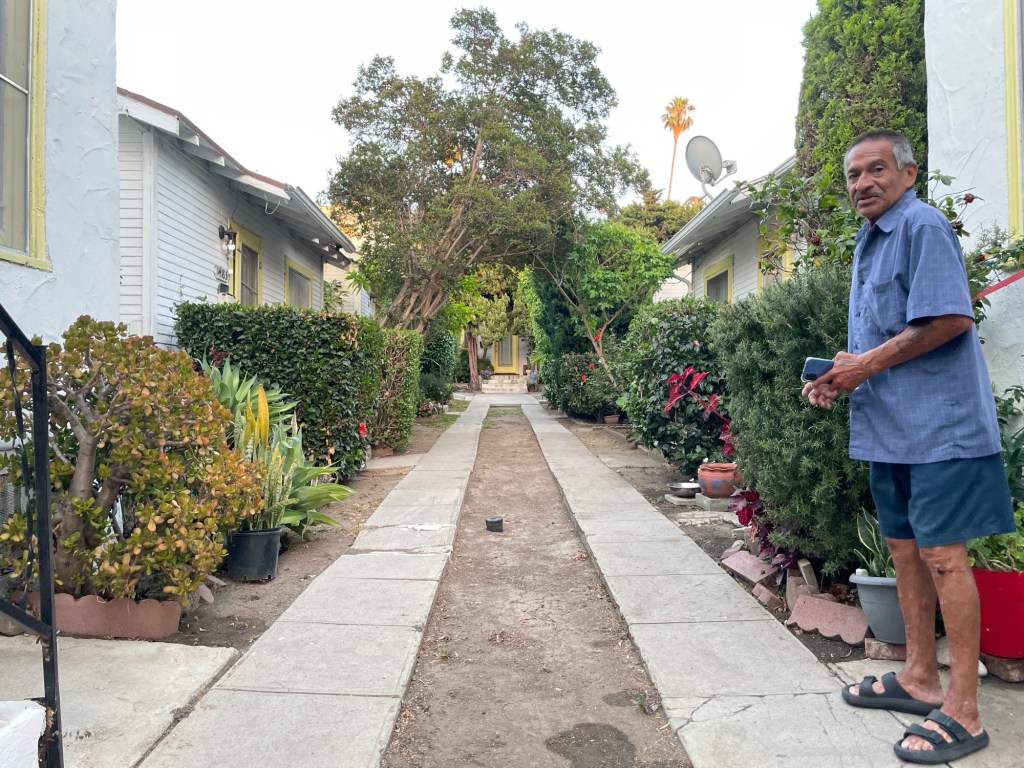
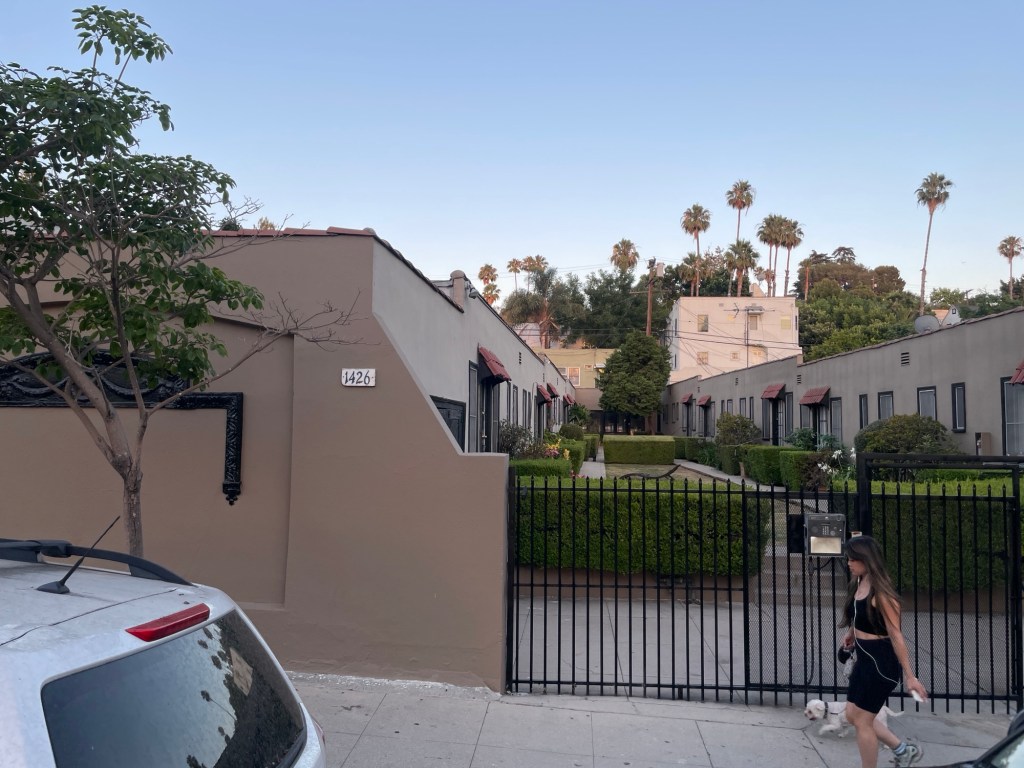
The bungalow court first appeared in Pasadena in 1909. They proved so popular that their design was essentially enshrined into law when that city’s council passed an ordinance requiring all multi-dwelling developments be oriented around a landscaped courtyard. Soon, bungalow courts sprang up across Southern California.
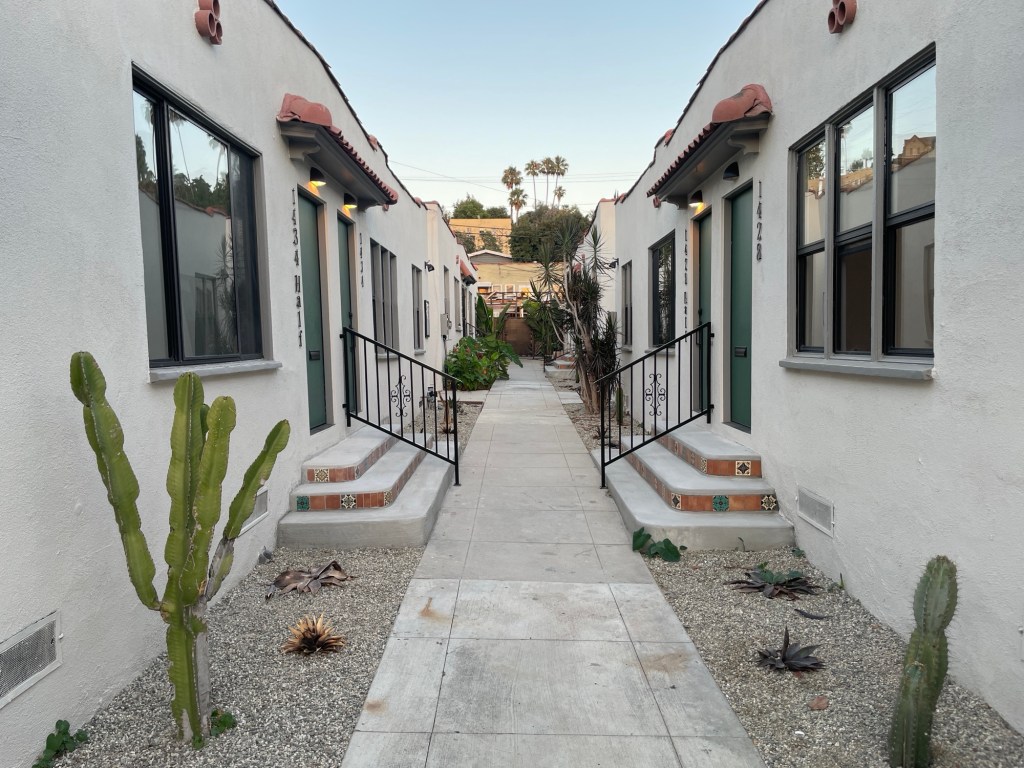
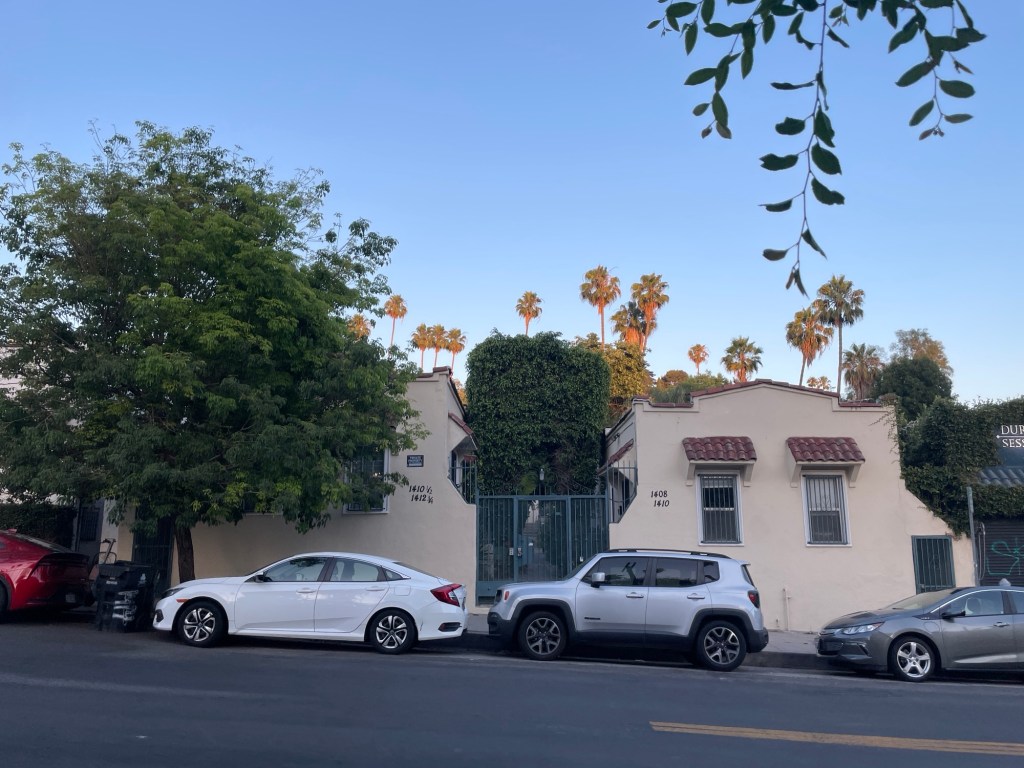
Although they are sometimes demolished and replaced with newer developments, there are still quite a few – all of which the preservation activists, Esotouric, are attempting to map and preserve. Survey LA estimated there are about 350 remaining in the city of Los Angeles. I counted about 45 in Silver Lake, suggesting that our neighborhood contains almost 15% of the city’s entire remaining stock.
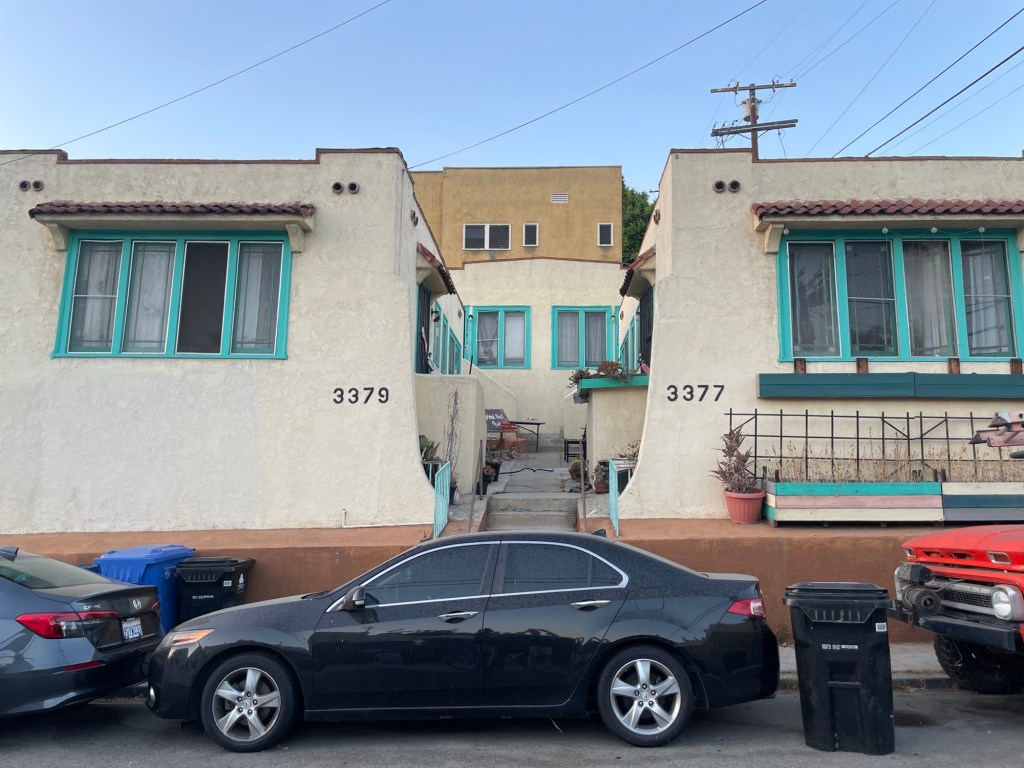
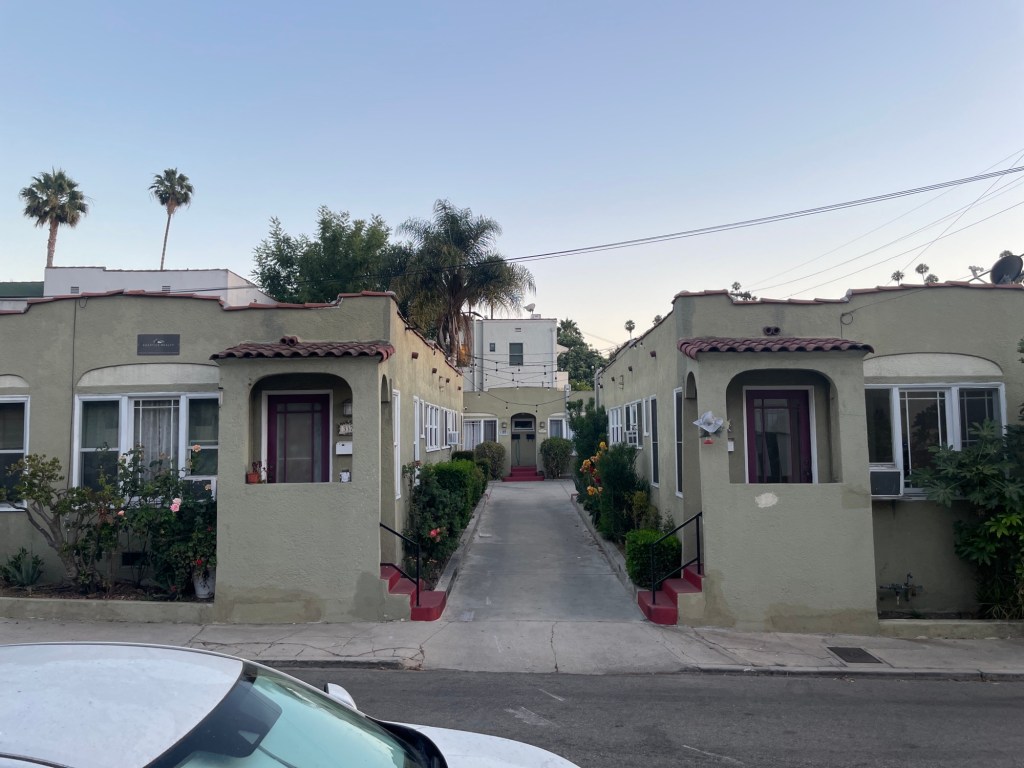
The earliest bungalow courts were designed in the Craftsman style. Nearly three-quarters of Silver Lake’s remaining bungalow courts were built between 1923 and ‘27, a period coinciding with the heyday of the Spanish Colonial Revival craze. Most are in that architectural style. Notable exceptions include the Queen Anne Revival-style bungalow court behind Broome Street General Store and the Gregory Ain-designed Mid-Century Modern Avenel Cooperative Housing Project, which, although rarely characterized as a bungalow court, certainly shares some of their charms.
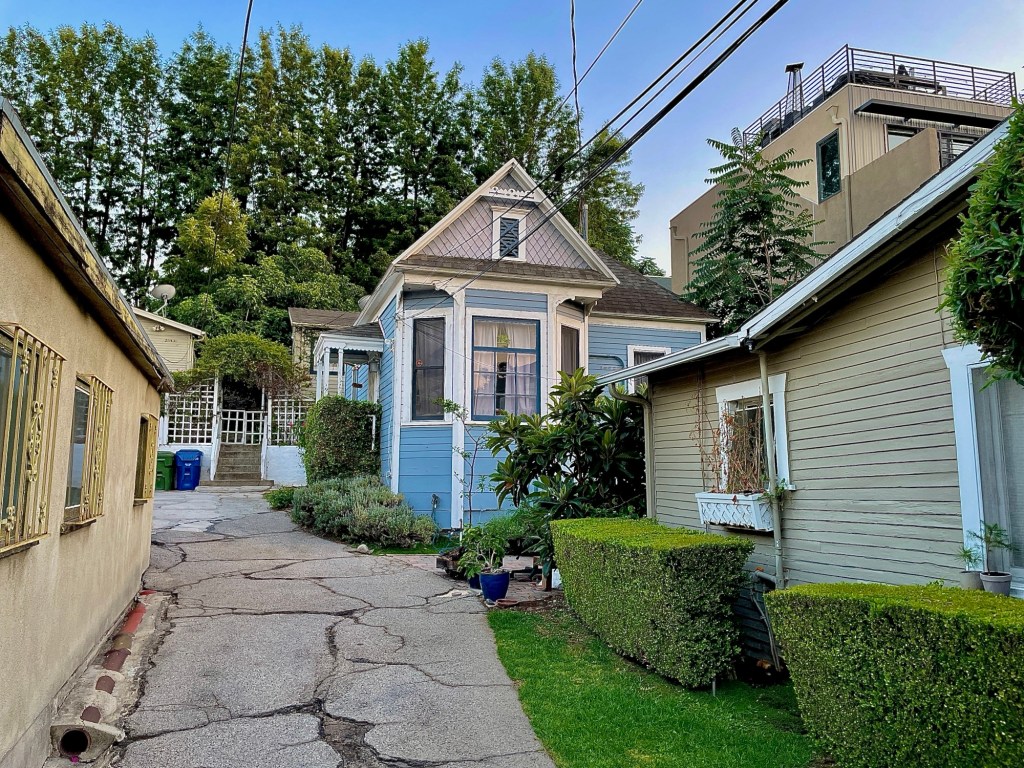
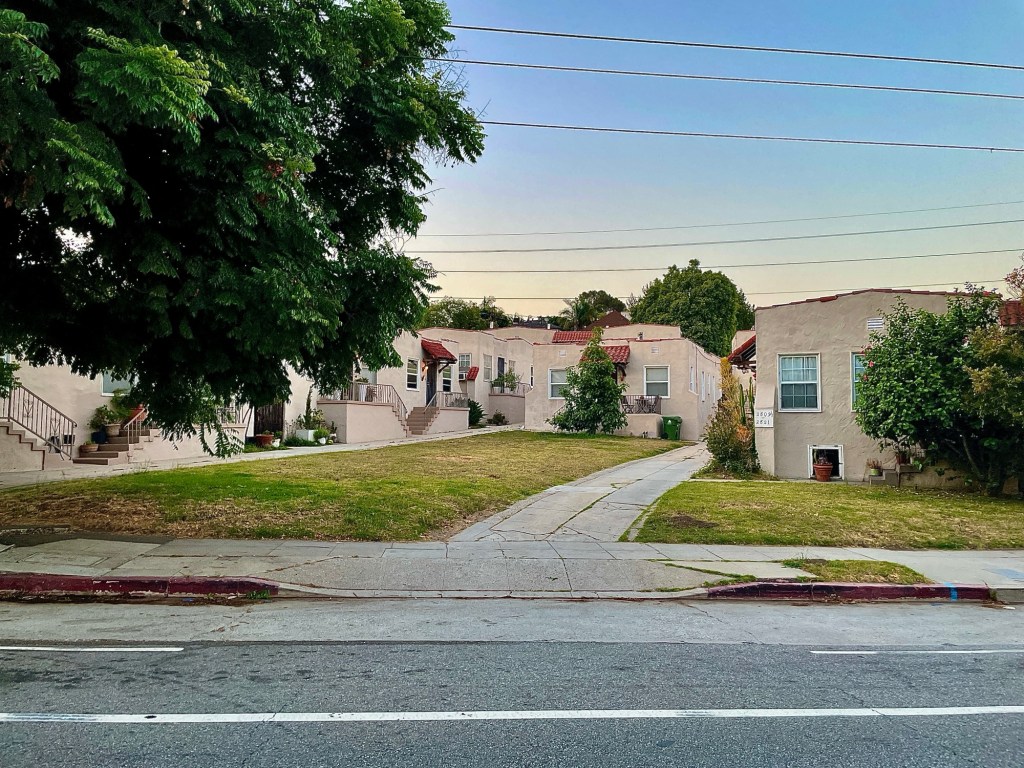
The bungalow’s most obvious charms are architectural but they are beloved for several reasons. They offer density – with as many as fifteen dwellings on a single lot – but offer their mostly working and lower middle class residents a measure of both privacy and community. Each unit in a bungalow court, for example, has its own entrance. At the same time, however, all of the dwellings share a common garden or yard – a wonderful bit of shared greenspace that most apartment buildings lack.
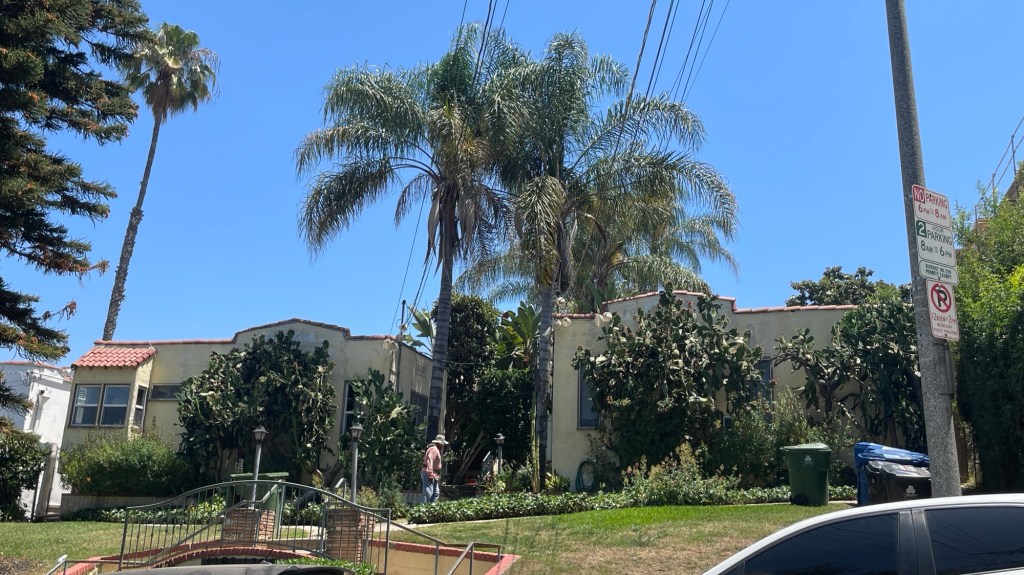
As beloved as bungalow courts were and remain, none have been built in decades. They were essentially killed in two strokes. The first blow came in 1930, when Los Angeles instituted parking mandates on new apartments. A couple were built in the 1930s and ‘40s. In them, residential space is reduced to create more space for automobiles. Courtyards are usually replaced with driveways.
The second blow came when the city down-zoned its residential capacity from 10 million to 4.2 million. As a result, 78% of Los Angeles’s residential zoning was afterward restricted to single-unit dwellings – or “uniplexes.” Los Angeles, as a result, now has 3.5 million housing units for a population of 3.8 million human inhabitants. By contrast, there are 18.6 million storage spaces for every automobile – 3.3 spaces for every car. If all of those parking spaces were combined, they would form an area larger than that of the city in which the bungalow court was born.
Support Eric Brightwell on Patreon

Eric Brightwell is an adventurer, essayist, rambler, explorer, cartographer, and guerrilla gardener who is always seeking paid writing, speaking, traveling, and art opportunities. He is not interested in generating advertorials, cranking out clickbait, or laboring away in a listicle mill “for exposure.”
Brightwell has written for Angels Walk LA, Amoeblog, Boom: A Journal of California, diaCRITICS, Hey Freelancer!, Hidden Los Angeles, and KCET Departures. His art has been featured by the American Institute of Architects, the Architecture & Design Museum, the Craft Contemporary, Form Follows Function, the Los Angeles County Store, Sidewalking: Coming to Terms With Los Angeles, Skid Row Housing Trust, the 1650 Gallery, and Abundant Housing LA.
Brightwell has been featured as subject and/or guest in The Los Angeles Times, VICE, Huffington Post, Los Angeles Magazine, LAist, CurbedLA, Office Hours Live, L.A. Untangled, Spectrum News, Eastsider LA, Boing Boing, Los Angeles, I’m Yours, Notebook on Cities and Culture, the Silver Lake History Collective, KCRW‘s Which Way, LA?, All Valley Everything, Hear in LA, KPCC‘s How to LA, at Emerson College, and at the University of Southern California.
Brightwell is currently writing a book about Los Angeles.
You can follow him on Ameba, Duolingo, Facebook, Goodreads, iNaturalist, Instagram, Letterboxd, Mastodon, Medium, Mubi, the StoryGraph, Threads, TikTok, and Twitter.


 Eric Brightwell
3 thoughts on “Ask Silver Lake — Silver Lake’s Bungalow Courts”