

INTRODUCTION
I grew up on what is what one could possibly describe as a “gentleman’s farm.” Not that we ever referred to it as such. I’d never heard that term as a kid — and my mom, who ran show, would’ve no doubt rejected the title of “gentleman.” My mother also might’ve objected to characterizing her operation as a farm. She was raised on a proper farm, after all — one with hundreds of acres of corn and soybeans. Her family raised cows, hogs, and turkeys. There were grain bins. It was in Iowa.
In our central Missouri home, on the other hand, we raised chickens, ducks, and geese for eggs and as pets, rather than for their flesh. My mother planted an a fruit orchard with apricot, cherry, peach, and plum trees. There was a garden, too, with asparagus, beans, blackberries, peas, pumpkins, rhubarb, squash, strawberries, sunflowers, tomatoes, and zucchinis. But, although we were poor, they weren’t central our livelihood. We didn’t sell produce. In fact, zucchinis were more likely to be given away. And my mom still shopped at a grocery store for processed stuff like bread, breakfast cereal, cheese, corn chips, margarine, meat, milk, and more. We distinguished everything as “homemade” or “store bought.”
In Missouri, there were pretty sharp distinctions between the seasons too. Long, hot, sticky summers and long, bitterly cold winters were cushioned by beautiful but too-brief springs and autumns. We had a large freezer that was always full of produce from the garden but I feel like we still ate fairly seasonally even though that concept was as foreign to my vocabulary as the gentleman’s farm.
When I moved to Los Angeles in 1999, it took me a minute to become attuned to the semi-arid seasons that were unfamiliar to me. There are lots of transplants, here, though, that never take that step. Despite all of the signs, they remain adamant that there are no seasons here because they don’t closely resemble the Temperate ones that they grew up with. They’re probably, more often than not, the same people who claim that no one walks here — because they don’t.
There are, of course, seasons in every climate. Here, in Los Angeles, short rainy winter days give way to long, hot, dry summer ones. Spongy wetlands turn almost bone dry. The spring sky is overcast for weeks at a time. In the autumn, wild fires grow where there was previously snow.
Seasonal changes aren’t just observable in the “natural” world. Most Angelenos dress year-round like it’s laundry day but a small minority of well-dressed citizens change their wardrobes, accordingly. The cup holders of SUVs trade Shamrock Shakes for pumpkin spiced lattes. There are sports seasons. and award seasons, too. But I moslty pay attention to the changing light, weather, and ecology. I post videos and images on Instagram as Los Angeles Seasons. I even made the following video, Seasons in Los Angeles, filmed over the course of a year in Los Angeles County.
While it’s true in Southern California that you can grow a lot of things year round, that doesn’t mean that you should — or at least, that you should expect the end result to taste as good. I was surprised, after moving here, that my tomatoes were fruiting in November. They were small and probably not particularly tasty but there they were. I’m reminded of an anti-holiday friend who claimed that he didn’t need holidays to tell him how and when to celebrate. “Good luck with trick-or-treating in March,” I said, or something like that. I side, on the other hand, with someone who I heard remark that eating asparagus after April is simply “not done.” It’s fun to me to observe those kinds of rules — and seasonal eating is a bit like observing a holiday. It’s a marker not just of the changing seasons but an occasion and a custom. Go to Donut Man in Glendora when the seasonal donuts change from strawberry to peach (or vice versa). It’s a special time.
I wrote this guide to what’s in season in Southern California primarily for myself — because I couldn’t find any really good resource that presented information. in a way that I found handy to consult on trips to the market. I hope, too, that it will prove useful for others. And, since there will be readers, allow me to make a few points.
I’m capitalizing everything for the sake of consistency. I’m pluralizing when it feels natural or elegant to me (yes to “Brussels Sprouts” but no to “Cauliflowers“). I’m using “maize” because “corn” means different crops in different countries and I have readers in countries that aren’t the US. I’m using “dry onions” — even though I never refer to them as such in everyday speech — to differentiate them from green onions. Growing seasons do not map precisely to months — nor do seasons — weather astronomical or meteorological. Obviously, global warming is impacting growing seasons — so these dates are all approximate. Blue-green highlights represent newly-in season produce. Bold, charcoal gray highlights represent things going out of season. I am no expert, though, and so I consulted. a few different sources, none of which — not surprisingly — were in complete agreement with one another. I tried to be as conservative as possible, listing produce as in season only when all sources were in agreement. And I included some cut flowers that, in most cases, aren’t grown locally but that I just think are nice compliments to the seasons.
I welcome, as always, additions and corrections
NOT WIDELY GROWN IN SOUTHERN CALIFORNIA
Before I get to what seasonal produce that is frequently encountered growing in Los Angeles, these are plants that are not widely-cultivated here or because I just couldn’t find any information. Because of that, I don’t have information about their seasonality. That said, I’d like to find out more information because I’d like to grow some of them — and did grow burdock once, but it was very tough and almost woody when I harvested it.
Arame, Atemoya, Bananas, Betel, Bladderwrack, Blue-Green Algae, Brown Mustard, Buddha’s Hand, Burdock, Calabash, Calamondin, Calamonsi, Carabao, Carambola, Carola, Carrageen Moss, Channeled Wrack, Chinese Bitter Melon, Chlorella, Cochayuyo, Coconuts, Corchorus, Cornick, Cranberries, Culantro, Currants, Dabberlocks, Daikon, Desert Truffles, Dulse, Durian, Ecklonia Cava, Endive, Enoki, Eucheuma, Fava Beans, Fish Mint, Furbelow, Gelidiella, Ginger, Gutweed, Hami Melons, Hijiki, Hiromi, Horseradish, Indian Bitter Melon, Irish Moss, Jackfruit, Jicama, Kombu, Korean Radishes, Kurome, Lamb’s Quarters, Laver, Leeks, Lima Beans, Luffa, Mamey Sapote, Mamoncillo, Mangosteen, Morels, Mozuku, Mung Bean, Mysore Raspberries, Nam Phrik, Napa Cabbage, Nettles, Oarweed, Okinawan Sweet Potato, Olives, Oyster Pandan, Perilla, Piper Lolot, Plantains, Rambutan, Rice Paddy Herb, Sargassum, Sea Grapes, Sea Lettuce, Sea Moss, Shallots, Shiso, Shiitake, Shōchū, Sichuan Pepper, Snow Fungus, Spiral Wrack, Sugar Kelp, Tamarind, Taro, Thai Basil, Thai Eggplant, Thongweed, Toothed Wrack, Tsukemono, Ube, Vietnamese Balm, Vietnamese Coriander, Wakame, Water Dropwort, Water Spinach, Winged Bean, Wood Ear, and Yams
JANUARY – MID-WINTER
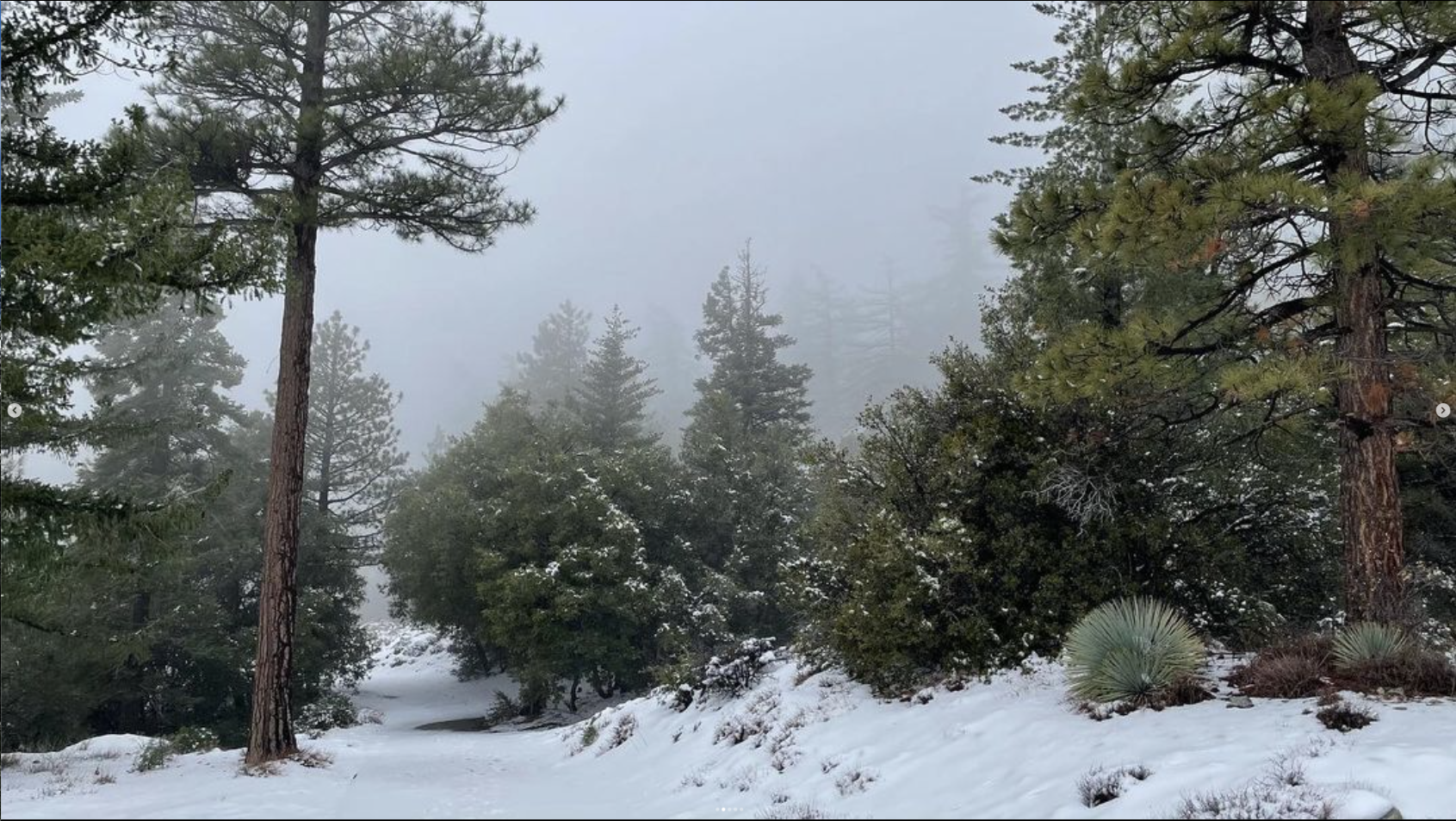
Artichokes, Beets, Blood Orange, Broccoli, Brussel Sprouts, Cabbage, Cauliflower, Celery, Chard, Chayote, Cherimoyas, Cilantro, Clementines, Collards, Dates, Fennel, Grapefruit, Green Onions, Green Peas, Guava, Kale, Kohlrabi,Kumquats, Leeks, Lemons, Lettuce, Limes, Mandarins, Mint, Mustard, Navel Oranges, Orach, Oregano, Parsley, Passionfruit, Pomelo, Radishes, Rhubarb, Rosemary, Sage, Snap Peas, Snow Peas, Sorrel, Spinach, Tangelos, Tangerines, Tarragon, Thyme, Turnips, Walnuts, Water Chestnut, White Sapote, and Winter Squash
Flowers: California laurel, California peony, Camellias, Fuchsia-flowering currant, and Padre’s shooting star (Dodecatheon clevelandii),
FEBRUARY – LATE WINTER
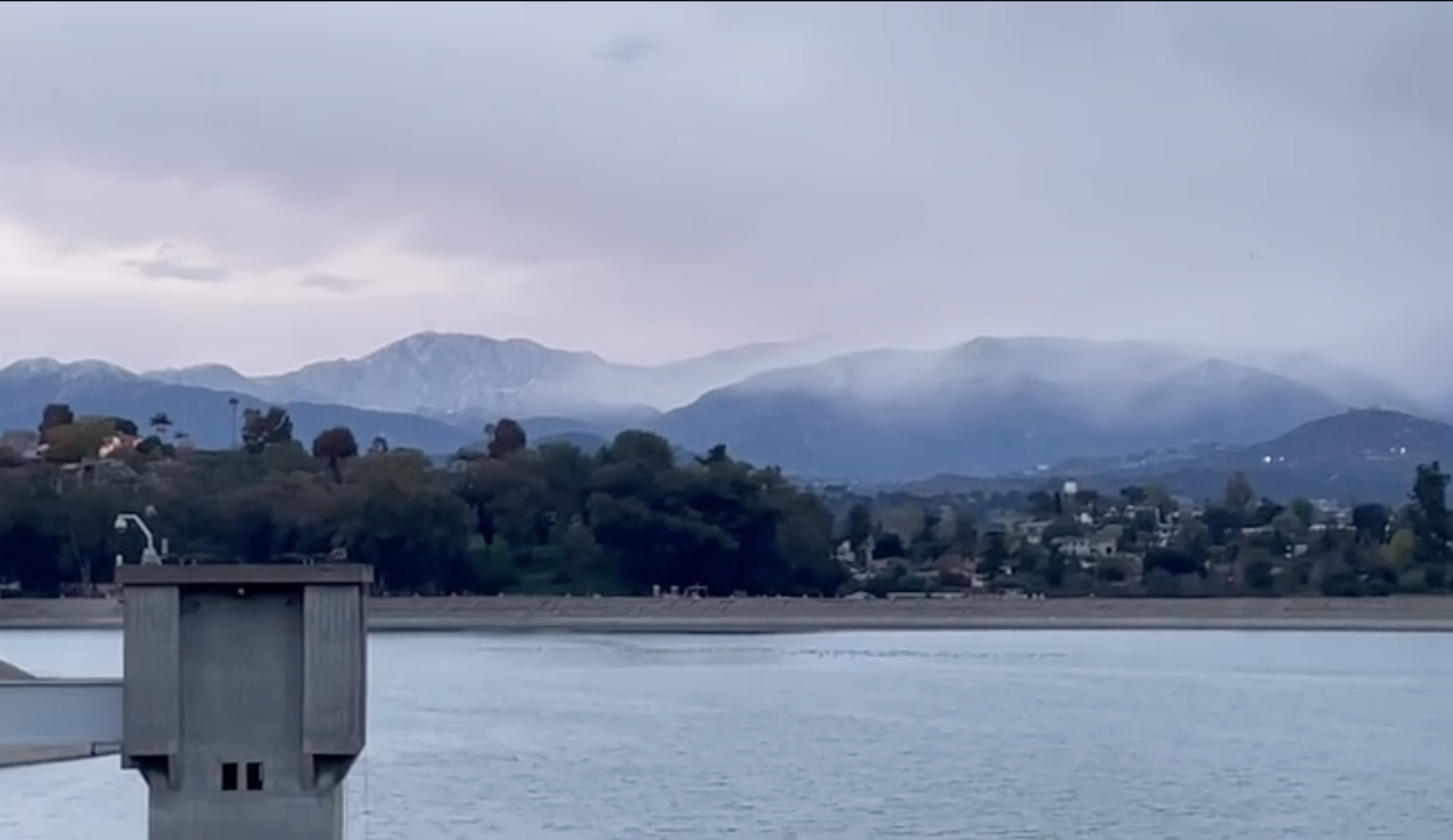
Artichokes, Asparagus, Beets, Blood Orange, Broccoli, Brussels Sprouts, Cabbage, Carrots, Cauliflower, Celery, Chard, Chayote, Cherimoyas, Cilantro, Clementines, Collards, Dates, Fennel, Grapefruit, Green Onions, Green Peas, Guava, Kale, Kiwi, Kohlrabi, Kumquats, Lemons, Lettuce, Limes, Mandarins, Mint, Mustard, Navel Oranges, Orach, Oregano, Parsley, Pomelo, Radishes, Rhubarb, Rosemary, Sage, Snap Peas, Snow Peas, Sorrel, Spinach, Strawberries, Tangelos, Tangerines, Tarragon, Thyme, Turnips, Water Chestnut, and White Sapote
Flowers: Camellias, Daffodils and Peach blossoms
MARCH – EARLY SPRING

Apricots, Artichokes, Asparagus, Avocados, Bamboo Shoots, Beets, Blood Orange, Broccoli, Brussels Sprouts, Cabbage, Carrots, Cauliflower, Celery, Chayote, Cherimoyas, Chives, Cilantro, Collards, Dates, Fennel, Fiddleheads, Flor De Izote, Grapefruits, Green Onions, Green Peas, Guava, Kale, Kiwi, Kohlrabi, Kumquats, Lemons, Lettuce, Limes, Mandarins, Mint, Mustard, Navel Oranges, o, Oregano, Parsley, Pomelo, Radishes, Rhubarb, Rosemary, Sage, Snap Peas, Snow Peas, Sorrel, Spinach, Strawberries, Tangelos, Tangerines, Tarragon, Thyme, Turnips, and Water Chestnut
Flowers: Amaryllis, Anemone, Bloodroots, Crocus, Daffodils, Forsythia, Freesia, Glory of the Snow, Hyacinths, Hydrangea, Irises, Lilacs, Lily of the Valley, Primroses, Roses, Siberias, and Tulips
APRIL – MID-SPRING
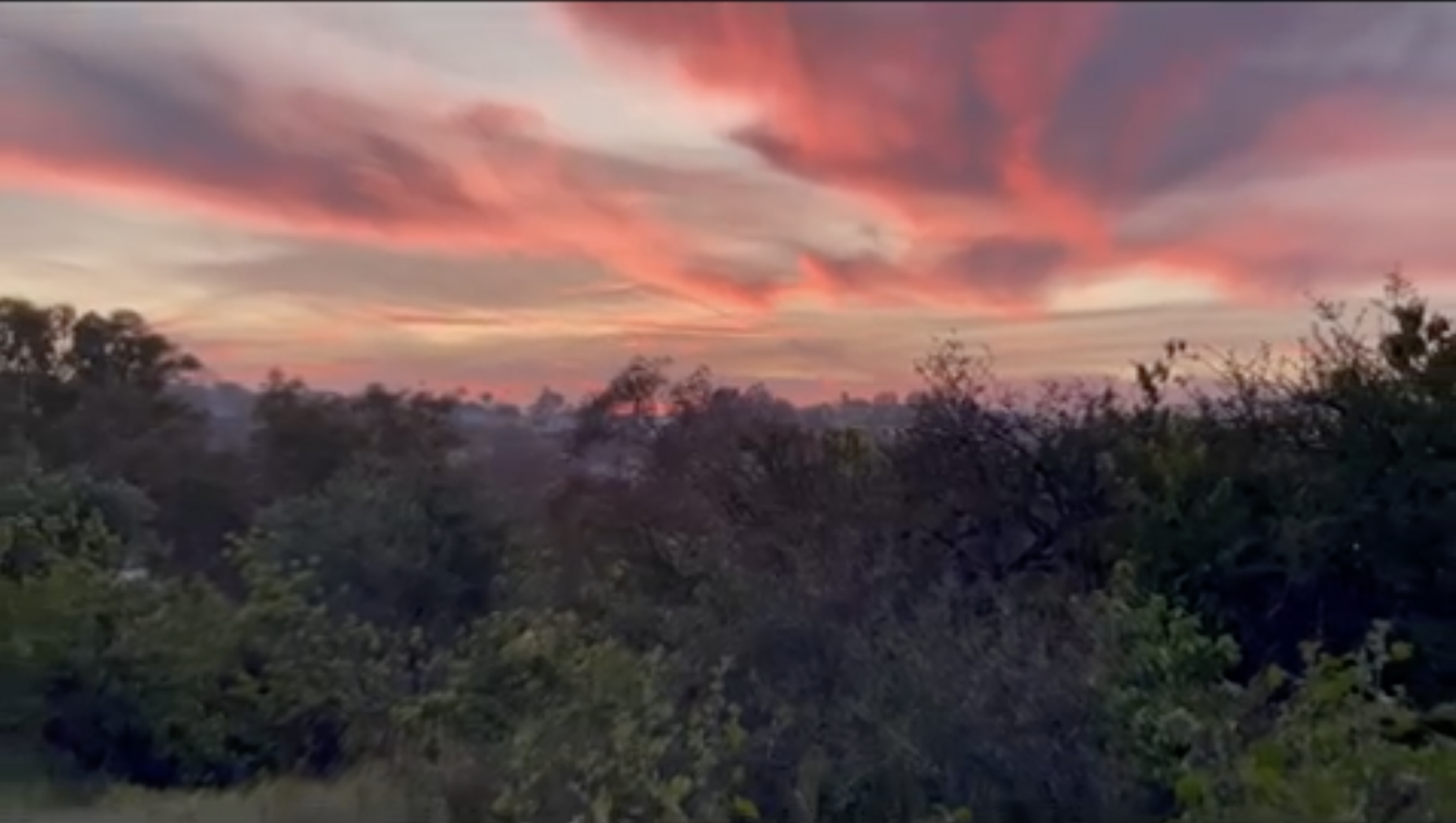
Apricots, Artichokes, Asparagus, Avocados, Bamboo Shoots, Basil, Broccoli, Cabbage, Carrots, Cauliflower, Celery, Chard, Cherimoyas, Cherries, Chives, Cilantro, Collards, Cucumbers, Dates, Fiddleheads, Flor de Izote, Grapefruits, Green Beans, Green Onions, Green Peas, Guava, Honeydew, Kale, Kiwi, Kohlrabi, Kumquats, Lemons, Lettuce, Limes, Loquat, Mint, Mustard, Navel Oranges, Nectarines, Oregano, Parsley, Pomelo, Radishes, Raspberries, Rosemary, Sage, Snap Peas, Snow Peas, Sorrel, Spinach, Strawberries, Tangelos, Tarragon, Thyme, Turnips, Watercress, and Zucchini.
Flowers: Corn Flowers, Delphinium, Forsythia, Freesia, Gardenias, Hyacinths, Irises, Lisianthus, Orchids, Peonies, Roses, Snapdragons, Sweet peas, Tulips, and Wisteria
MAY – LATE SPRING
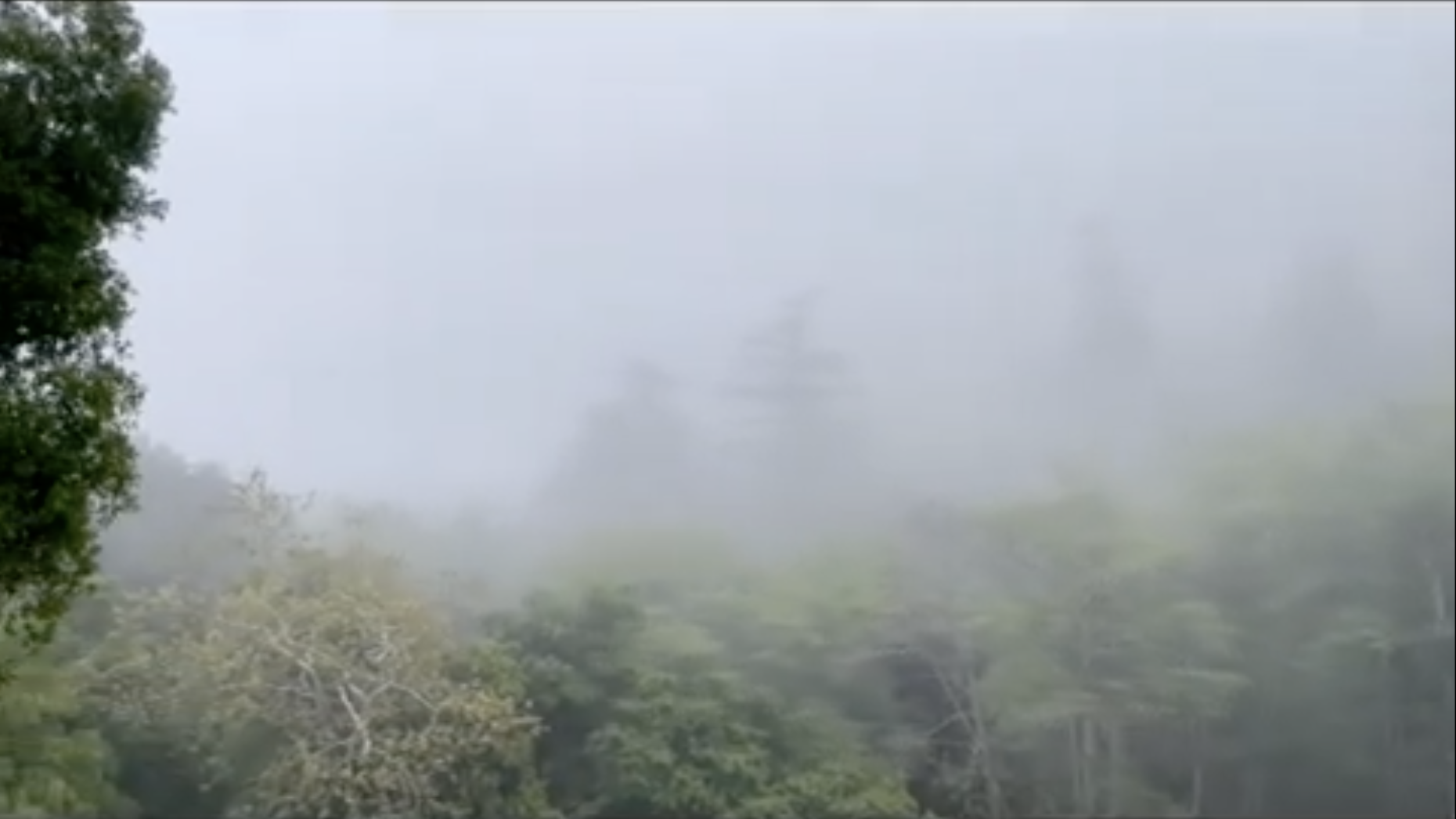
Apricots, Asparagus, Avocados, Bamboo Shoots, Basil, Broccoli, Cabbage, Cantaloupe, Carrots, Cauliflower, Celery, Chard, Cherimoyas, Cherries, Chives, Cilantro, Collards, Cucumbers, Dates, Dry Onions, Eggplant, Fiddleheads, Figs, Grapefruits, Green Beans, Green Onions, Green Peas, Honeydew, Kale, Kohlrabi, Lemons, Lettuce, Loquats, Maize, Mint, Mustard, Navel Oranges, Nectarines, Okra, Oregano, Parsley, Potatoes, Peaches, Prickly Pears, Radishes, Raspberries, Rosemary, Sage, Snap Peas, Snow Peas, Sorrel, Spinach, Strawberries, Summer Squash, Tarragon, Thyme, Tomatoes, Valencia Oranges, Watercress, and Zucchini.
Flowers: Anemones, Aster, Chrysanthemums, Clematis, Columbines, Coreopsis, Crocus, Daffodil, Dahlias, Day lilies, Hydrangeas, Iris, Larkspur, Lavender, Lilacs, Lily of the Valley, Magnolias, Nasturtiums, Pansies, Peonies, Petunias, Rhododendron, Roses, Tulips, and Zinnia
JUNE – EARLY SUMMER
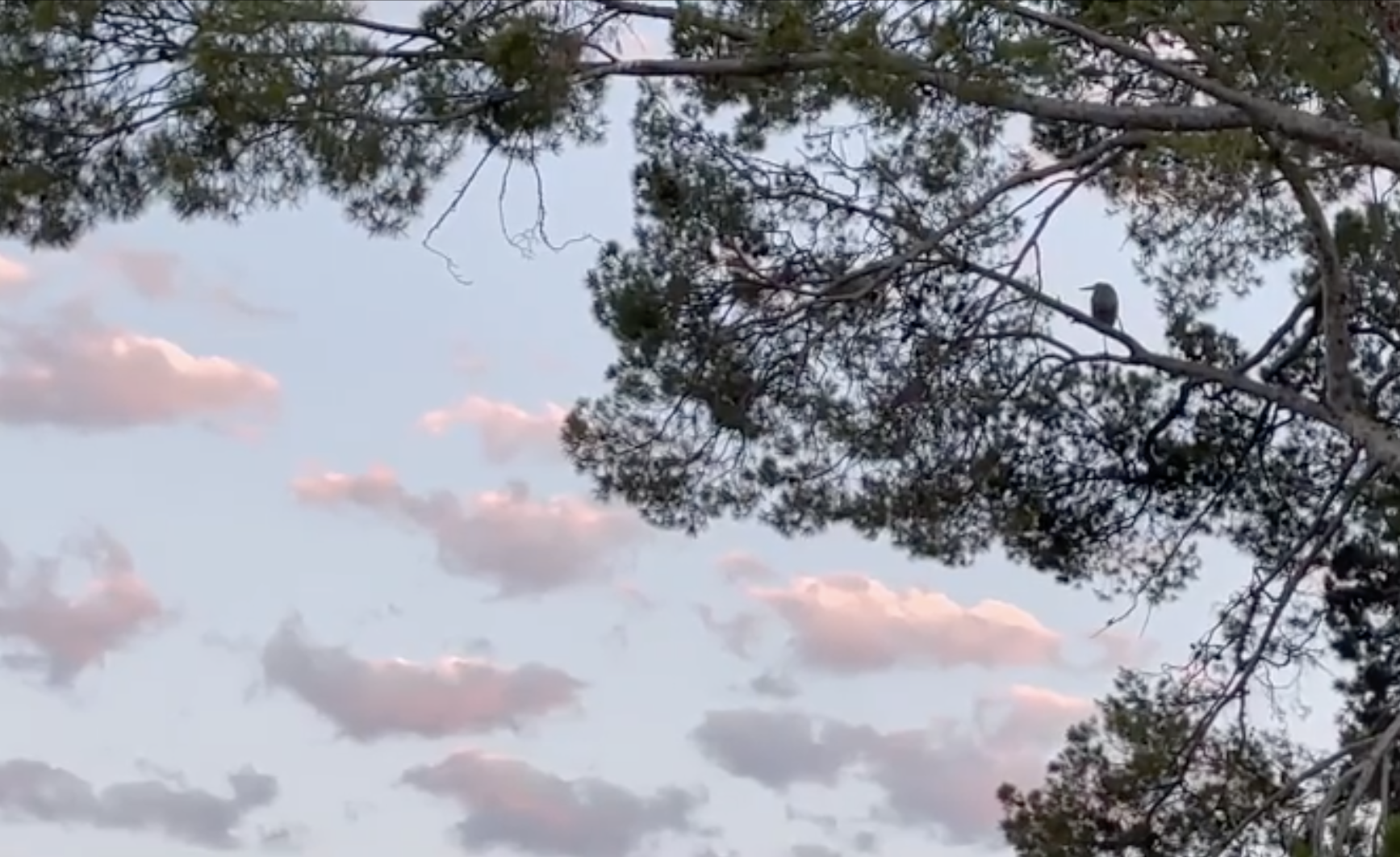
Apricots, Asian Pears, Asparagus, Avocados, Basil, Bell Peppers, Black-Eyed Peas, Blackberries, Boysenberries, Broccoli, Cabbage, Cantaloupe, Celery, Chard, Cherimoyas, Cherries, Chilis, Chives, Cilantro, Cucumbers, Dragon Fruit, Dry Onions, Eggplant, Figs, Garlic, Gooseberries, Grapefruits, Grapes, Green Beans, Green Onions, Kohlrabi, Honeydew, Lemongrass, Lemons, Lettuce, Loquat, Maize, Mangoes, Mint, Mustard, Navel Oranges, Nectarines, Okra, Oregano, Parsley, Passionfruit, Peaches, Plums, Potatoes, Prickly Pear, Raspberries, Rosemary, Sage, Sorrel, Spinach, Strawberries, Summer Squash, Tarragon, Thyme, Tomatoes, Valencia Oranges, Watercress, and Zucchini.
Flowers: Blue Lobelias, Marigolds, Peonies, Petunias, Nasturtiums, Roses, Salvia, and Zinnias
JULY – MID-SUMMER
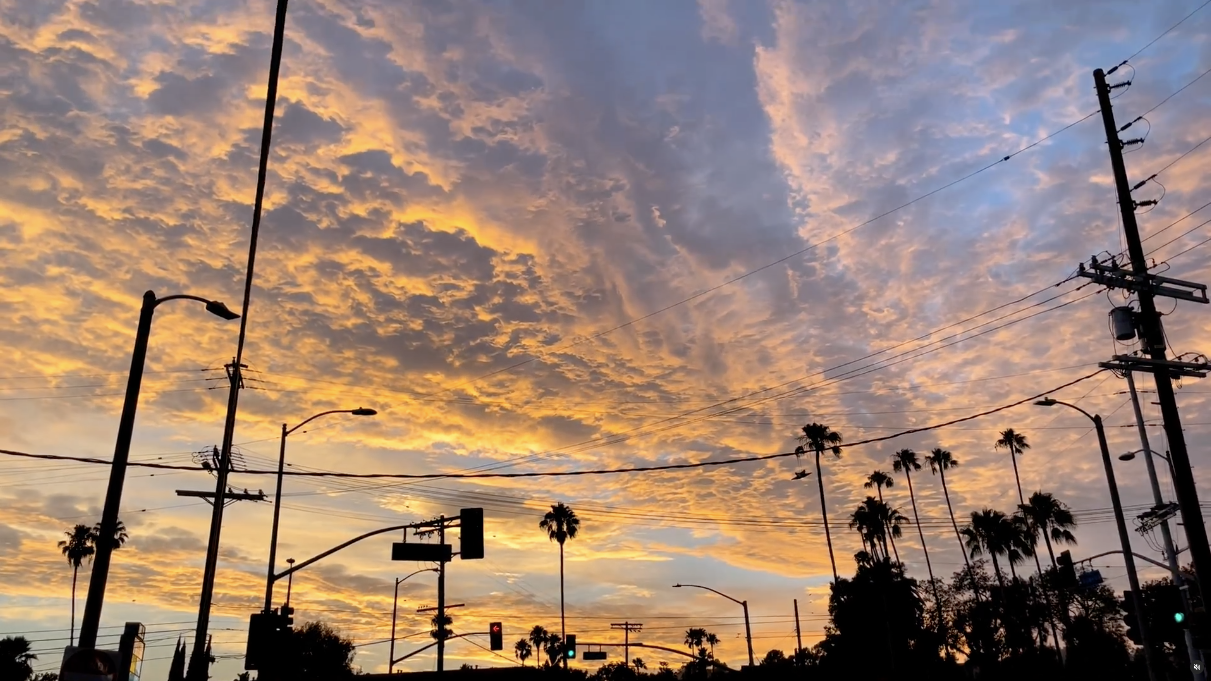
Apricots, Asian Pears, Avocados, Basil, Bell Peppers, Black-eyed Peas, Blackberries, Boysenberries, Cantaloupe, Cherries, Chilis, Chives, Cilantro, Cucumber, Dragon Fruit, Dry Onions, Eggplant, Figs, Garlic, Gooseberries, Grapefruits, Grapes, Green Beans, Ground Cherries, Honeydew, Kohlrabi, Lemongrass, Lemons, Longan, Maize, Malabar Spinach, Mangoes, Mint, Mung Beans, Mustard, Nectarines, Okra, Oregano, Parsley, Passionfruit, Peaches, Plums, Potatoes, Prickly Pear, Raspberries, Rosemary, Sage, Sorrel, Strawberries, Summer Squash, Tarragon, Thyme, Tomatoes, Valencia Oranges, Water Chestnut, Watercress, Watermelon, and Zucchini
Flowers: dahlias, delphinium, Floss Silk Tree, gardenias, Gerbera daisies, hydrangeas, iris, Lavender, lilies, orchids, Roses, and Sunflowers
AUGUST – LATE SUMMER
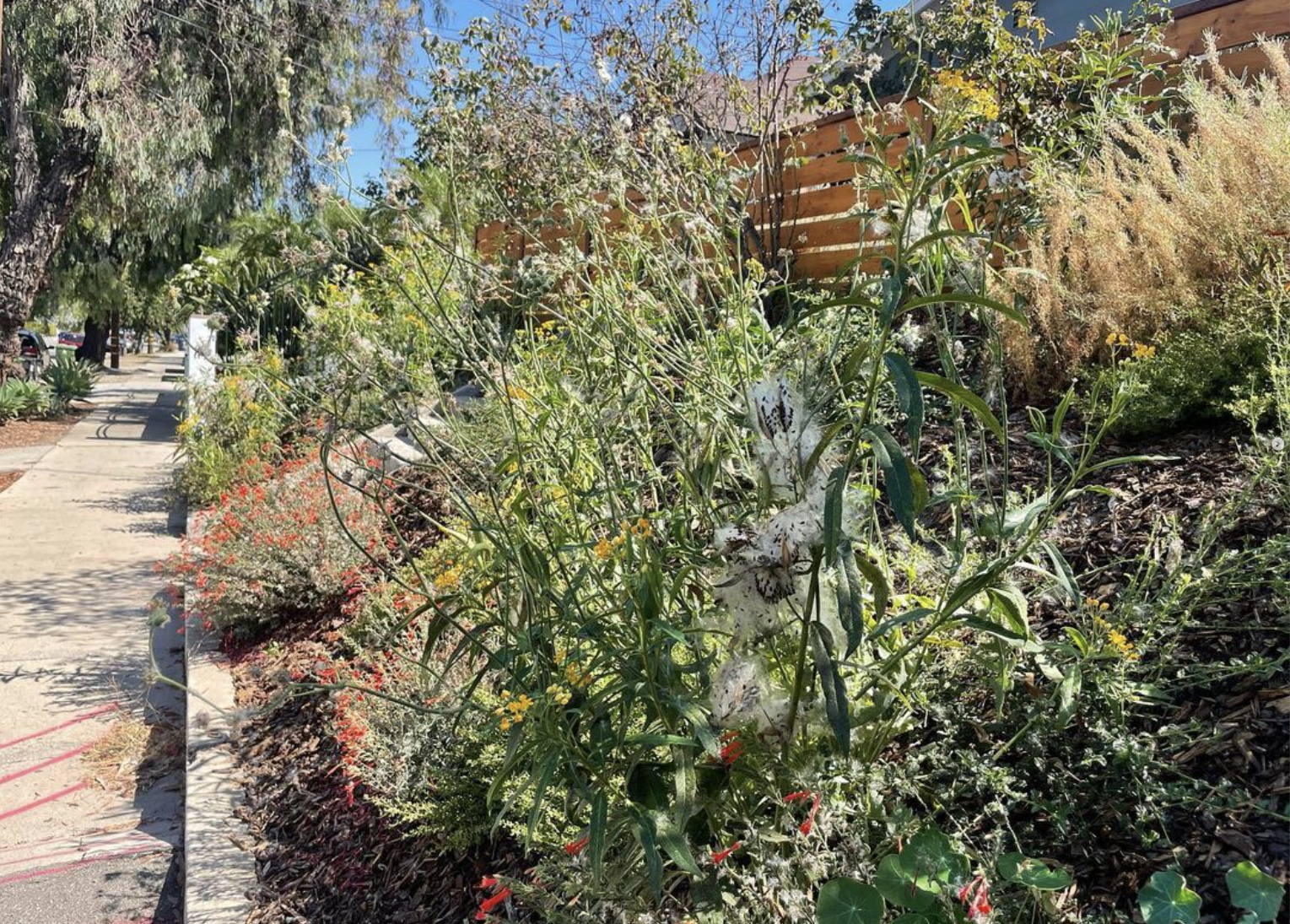
Apples, Avocados, Basil, Bell Peppers, Blackberries, Black-eyed Peas, Boysenberries, Cantaloupe, Chilis, Chives, Cilantro, Cucumbers, Dragon Fruit, Dry Onions, Eggplant, Figs, Garlic, Gooseberries, Grapefruit, Grapes, Green Beans, Ground Cherries, Honeydew, Kohlrabi, Lemons, Lemongrass, Longan, Lychee, Maize, Malabar Spinach, Mangoes, Mint, Moringa, Mung Beans, Nectarines, Okra, Oregano, Parsley, Passionfruit, Peaches, Pears, Plums, Potatoes, Prickly Pear, Raspberries, Rosemary, Sage, Sorrel, Strawberries, Summer Squash, Sweet Potatoes Tarragon, Thyme, Tomatoes, Valencia Oranges, Water Chestnut, Watercress, Watermelon, and Zucchini
Flowers: Lavender and Roses
SEPTEMBER – EARLY AUTUMN
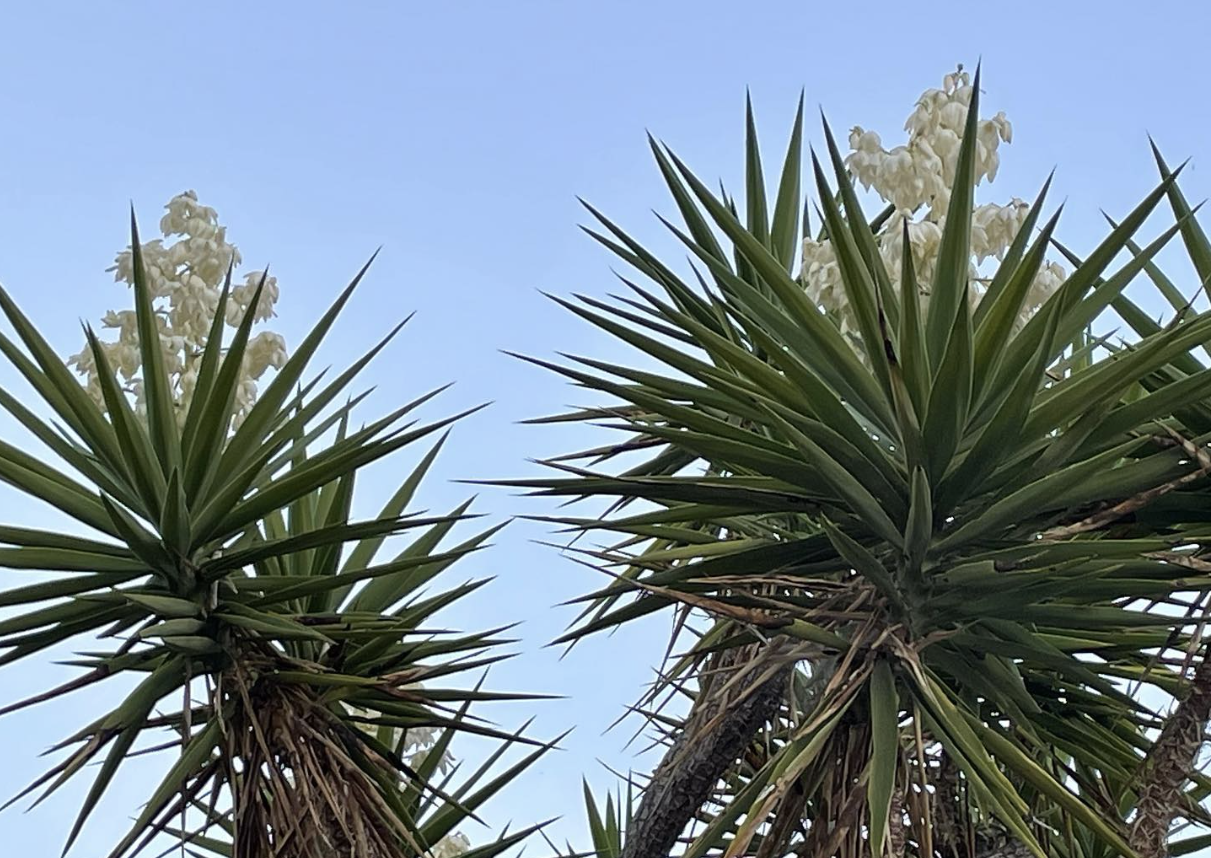
Apples, Asian Pears, Avocados, Basil, Bell Peppers, Black-eyed Peas, Brussels Sprouts, Cantaloupe, Carrots, Chestnuts, Chilis, Chives, Cilantro, Cucumber, Dragon Fruit, Dry Onions, Eggplant, Figs, Grapefruit, Grapes, Green Beans, Green Onion, Kohlrabi, Honeydew, Lemongrass, Lemons, Longan, Lychee, Maize, Mint, Moringa, Mung Beans, Mustard, Nectarines, Okra, Oregano, Parsley, Passionfruit, Peaches, Pears, Pecans, Persimmons, Pigeon Peas, Pineapple Guava, Pistachios, Plums, Potatoes, Prickly Pears, Pumpkin, Raspberries, Rosemary, Sage, Sorrel, Soybeans, Strawberries, Summer Squash, Sweet Potatoes, Tarragon, Thyme, Tomatillos, Tomatoes, Valencia Oranges, Water Chestnut, Watercress, Watermelon, Winter Squash, and Zucchini
Flowers: Camellias, Floss Silk Tree, Lavender, and Roses
OCTOBER – MID-AUTUMN
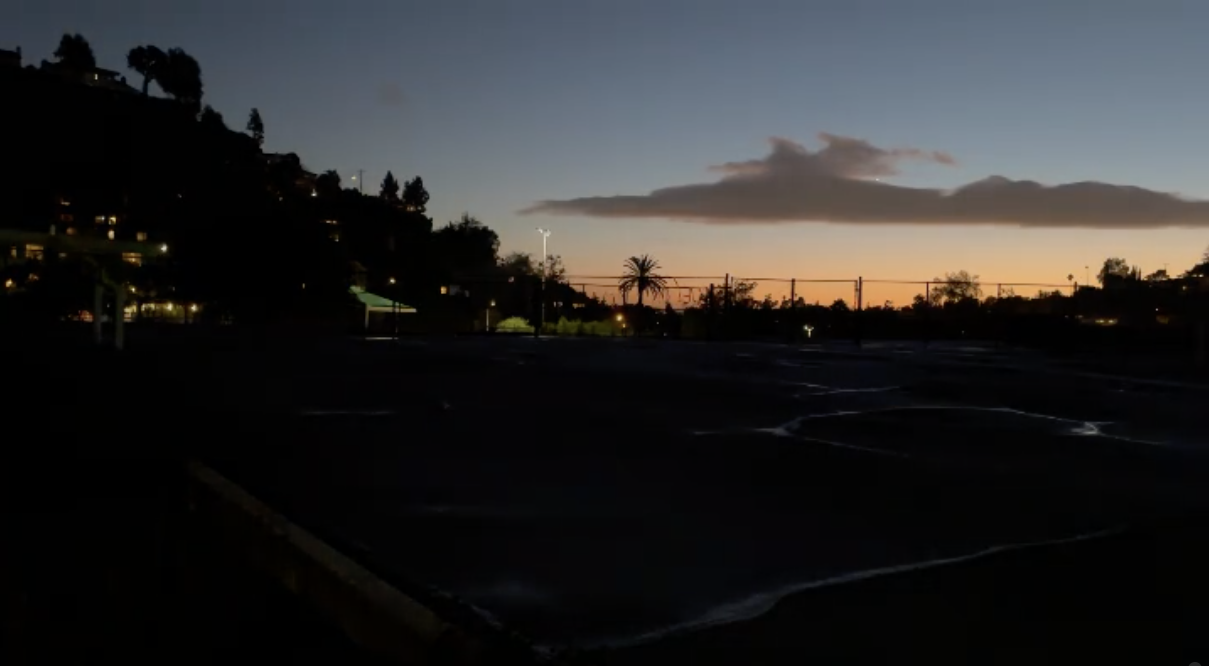
Apples, Artichokes, Asian Pears, Basil, Bell Peppers, Black-eyed Peas, Broccoli, Cabbage, Cantaloupe, Carrots, Chard, Chayote, Cherimoyas, Chestnuts, Chilis, Chives, Cilantro, Cucumbers, Dry Onions, Eggplant, Feijoa, Figs, Grapes, Green Beans, Green Onions, Honeydew, Kiwi, Kohlrabi, Lavender, Lemongrass, Lemons, Lettuce, Limes, Longan, Lychee, Maize, Mint, Mustard, Okra, Orach, Oregano, Parsley, Passionfruit, Peaches, Pecans, Persimmons, Pigeon Peas, Pineapple Guava, Pistachios, Pomegranates, Potatoes, Prickly Pears, Pumpkin, Radishes, Raspberries, Rosemary, Sage, Sorrel, Soybeans, Spinach, Strawberries, Summer Squash, Sweet Potatoes, Tangelos, Tangerines, Tarragon, Thyme, Tomatillos, Tomatoes, Valencia Oranges, Water Chestnut, Watercress, Watermelon, White Sapote, Winter Squash, Yacon, and Zucchini
Flowers: Camellias, Floss Silk Tree, Lavender and Roses
NOVEMBER – LATE AUTUMN
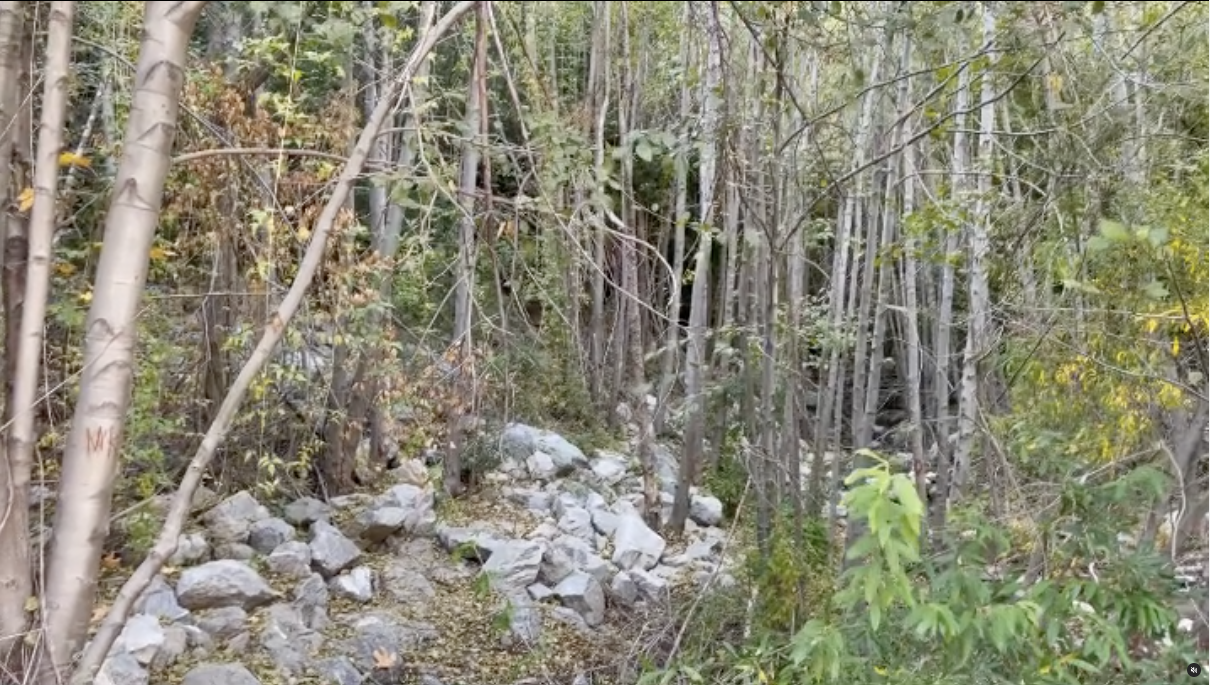
Apples, Artichokes, Asian Pears, Basil, Beets, Bell Peppers, Black-eyed Peas, Cabbage, Cantaloupe, Carrots, Chard, Chayote, Cherimoyas, Chestnuts, Chilis, Chives, Cilantro, Dry Onions, Feijoa, Grapes, Green Beans, Guava, Honeydew, Kiwi, Kohlrabi, Kumquats, Lemongrass, Lettuce, Limes, Mandarins, Mint, Mustard, Orach, Oregano, Parsley, Passionfruit, Pecans, Persimmons, Pigeon Peas, Pineapple Guava, Pistachios, Pomelo, Potatoes, Prickly Pears, Pumpkin, Radishes, Rosemary, Sage, Sorrel, Soybeans, Spinach, Summer Squash, Sweet Potatoes, Tangelos, Tangerines Tarragon, Thyme, Tomatoes, Turnips, Valencia Oranges, Water Chestnut, Watermelon, White Sapote, Winter Squash, Yacon, and Zucchini
Flowers: Camellias and Christmas amaryllis
DECEMBER – EARLY WINTER

Apples, Artichokes, Basil, Beets, Bell Peppers, Black-eyed Peas, Brussels Sprouts, Cabbage, Carrots, Cauliflower, Celery, Chard, Chayote, Cherimoyas, Chilis, Cilantro, Clementines, Collards, Green Onions, Guava, Honeydew, Kale, Kiwi, Kohlrabi, Kumquats, Lettuce, Limes, Mandarins, Mint, Mustard, Orach, Oregano, Parsley, Passionfruit, Peas, Persimmons, Pigeon Peas, Pineapple Guava, Pomegranates, Pomelo, Potatoes, Radishes, Rosemary, Sage, Sorrel, Spinach, Sweet Potatoes, Tangelos, Tangerines, Tarragon, Thyme, Tomatoes, Turnips, Valencia Oranges, Water Chestnut, White Sapote, Winter Squash, and Yacon
Flowers: Camellias, Christmas amaryllis, Holly (fruiting, actually), and Poinsettias
Support Eric Brightwell on Patreon

Eric Brightwell is an adventurer, essayist, rambler, explorer, cartographer, and guerrilla gardener who is always seeking paid writing, speaking, traveling, and art opportunities. He is not interested in generating advertorials, cranking out clickbait, or laboring away in a listicle mill “for exposure.”
Brightwell has written for Angels Walk LA, Amoeblog, Boom: A Journal of California, diaCRITICS, Hey Freelancer!, Hidden Los Angeles, and KCET Departures. His art has been featured by the American Institute of Architects, the Architecture & Design Museum, the Craft Contemporary, Form Follows Function, the Los Angeles County Store, Sidewalking: Coming to Terms With Los Angeles, Skid Row Housing Trust, and the 1650 Gallery.
Brightwell has been featured as subject and/or guest in The Los Angeles Times, VICE, Huffington Post, Los Angeles Magazine, LAist, CurbedLA, Office Hours Live, Spectrum News, Eastsider LA, Boing Boing, Los Angeles, I’m Yours, Notebook on Cities and Culture, the Silver Lake History Collective, KCRW‘s Which Way, LA?, at Emerson College, and the University of Southern California.
Brightwell is currently writing a book about Los Angeles.
You can follow him on Ameba, Duolingo, Facebook, Goodreads, iNaturalist, Instagram, Mastodon, Medium, Mubi, the StoryGraph, TikTok, and Twitter.


 Eric Brightwell